Key takeaways
-
A standard operating procedure (SOP) defines who does what, when, and where to reach a consistent outcome.
-
An SOP differs from a general process because it includes the assignments, timing, and workflow structure that a plain list of steps omits.
-
SOPs matter when you need to reduce confusion, improve safety, control quality, meet industry standards, and train or onboard people.
-
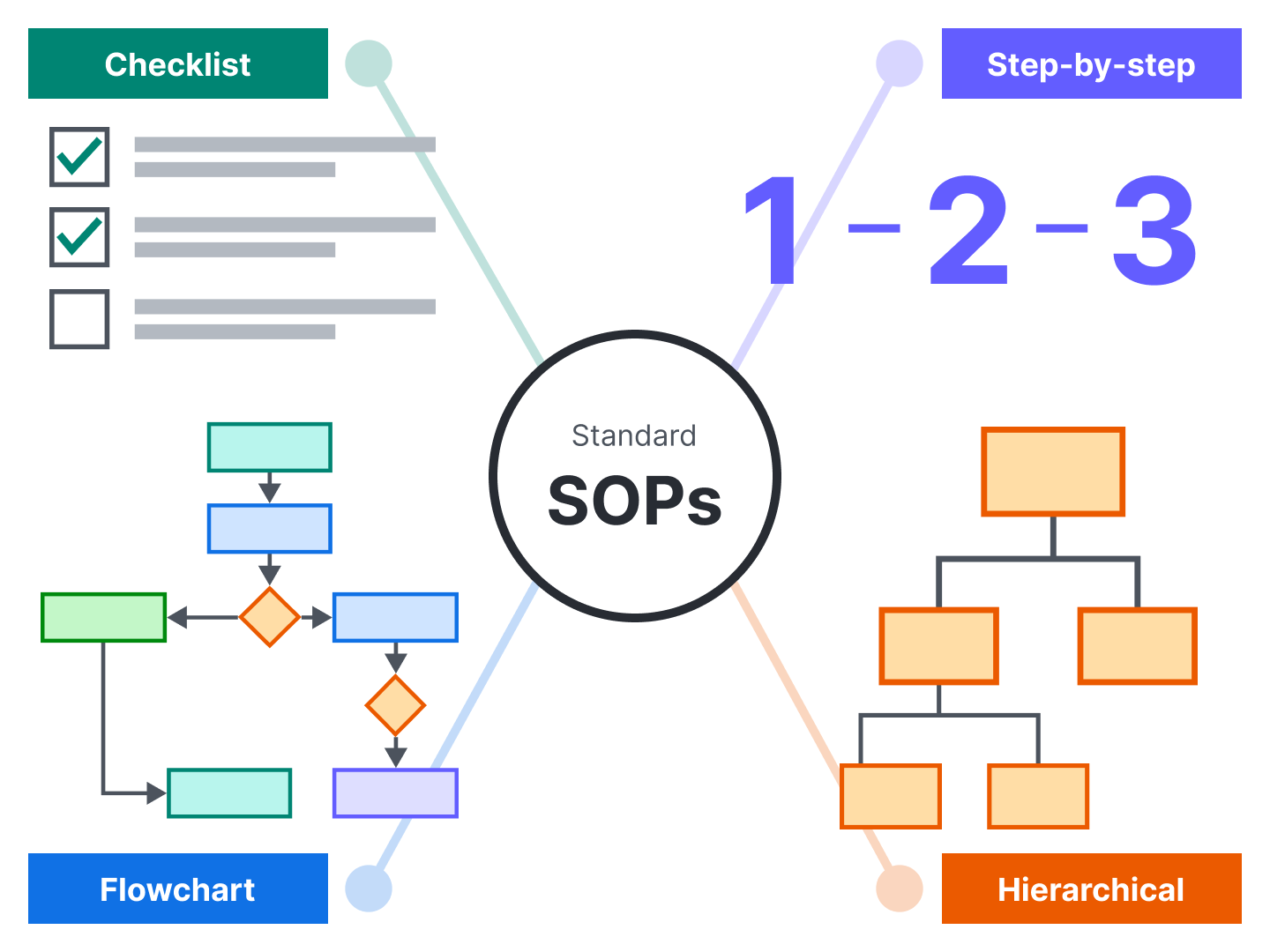
The four common SOP formats are the checklist, the step-by-step list, the hierarchical list, and the process flowchart.
-
Quality standards like ISO 9001 and regulated industries such as pharmaceuticals expect organizations to document their procedures as SOPs.
-
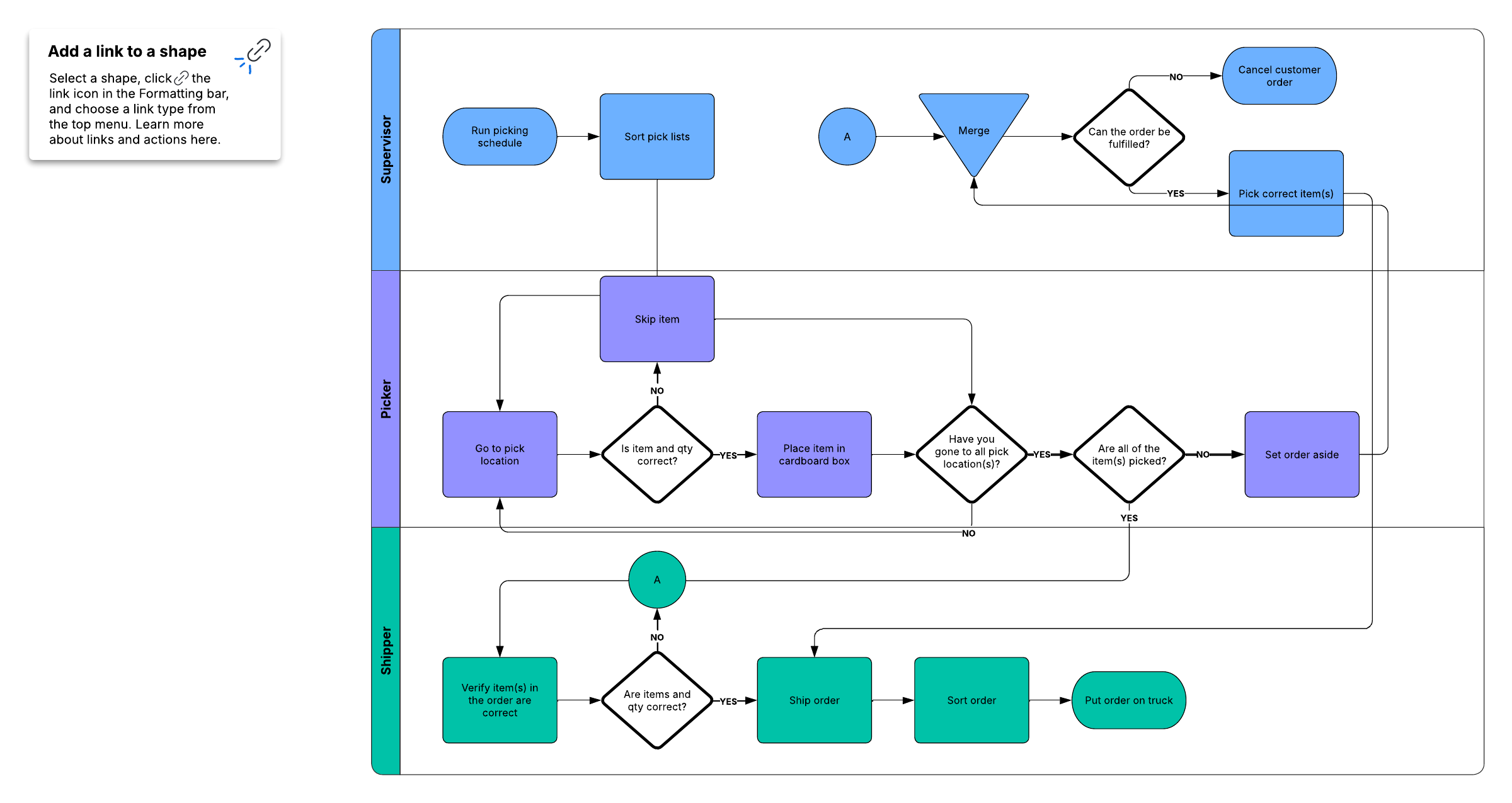
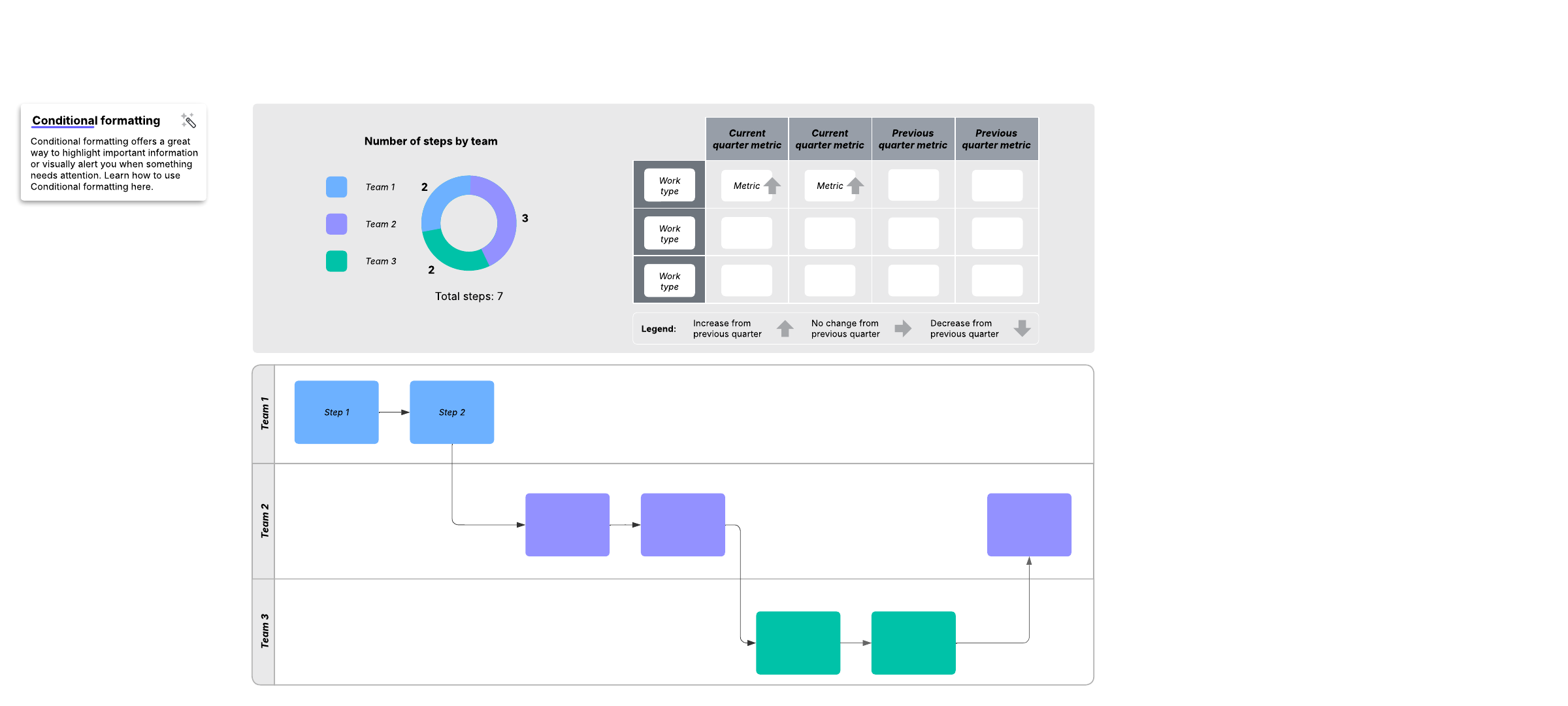
Visual, flowchart-based SOPs are often easier to follow than dense text, especially when a procedure crosses teams.
Every new employee needs training before they can work safely and well. When people learn on the fly, results turn inconsistent, and in some environments, the work becomes genuinely dangerous.
Picture a new hire operating heavy machinery on a factory floor without clear instructions. The risk is obvious, and so is the cost of getting it wrong.
Standard operating procedures solve this. A good SOP keeps employees efficient, safe, and productive, delivering high-quality work every time. Many teams document and share these procedures in Lucidchart, the intelligent diagramming solution in the Lucid Visual Collaboration Suite.
What is a standard operating procedure?
A standard operating procedure is more than a step-by-step document. It is a set of instructions that describes exactly what must happen to achieve a consistent, expected outcome.
Where a simple list stops at the steps, an SOP adds detail. It specifies who is assigned to each task, when the task occurs, and where it fits within the larger workflow. That structure keeps operations running smoothly, supports industry compliance, and drives consistent quality.
SOP vs process
Consider how you might solve a math problem. You identify the problem type, paraphrase it, draw a visual, look for patterns, review your information, and solve.
That is a general process: a repeatable sequence of steps. It does not specify who does the work, when they do it, or where. In a business or manufacturing setting, those details matter, which is why these environments need the added structure of an SOP.
Regulated industries take this further. The international quality standard ISO 9001 essentially requires organizations to determine and document the processes used in manufacturing that could affect product quality. Those processes are often written as SOPs.
In clinical research, the International Council for Harmonisation (ICH) defines an SOP as "detailed, written instructions to achieve uniformity of the performance of a specific function." This practice is common across pharmaceutical and other regulated fields.
Terminology also varies by field. In health and safety, SOPs are sometimes called safe work method statements (SWMS). They often follow a job safety analysis that identifies hazards and their controls. Whatever the format, a procedure should match the reader's literacy level to remain easy to follow.
When do you need an SOP?
Not every task calls for an SOP, but many do. Consider writing one when you want to:
Clarify workplace operations and reduce confusion about who owns each step.
Improve safety by making the correct, hazard-aware method the default.
Provide quality control so output stays consistent across people and shifts.
Ensure compliance with industry standards and regulations.
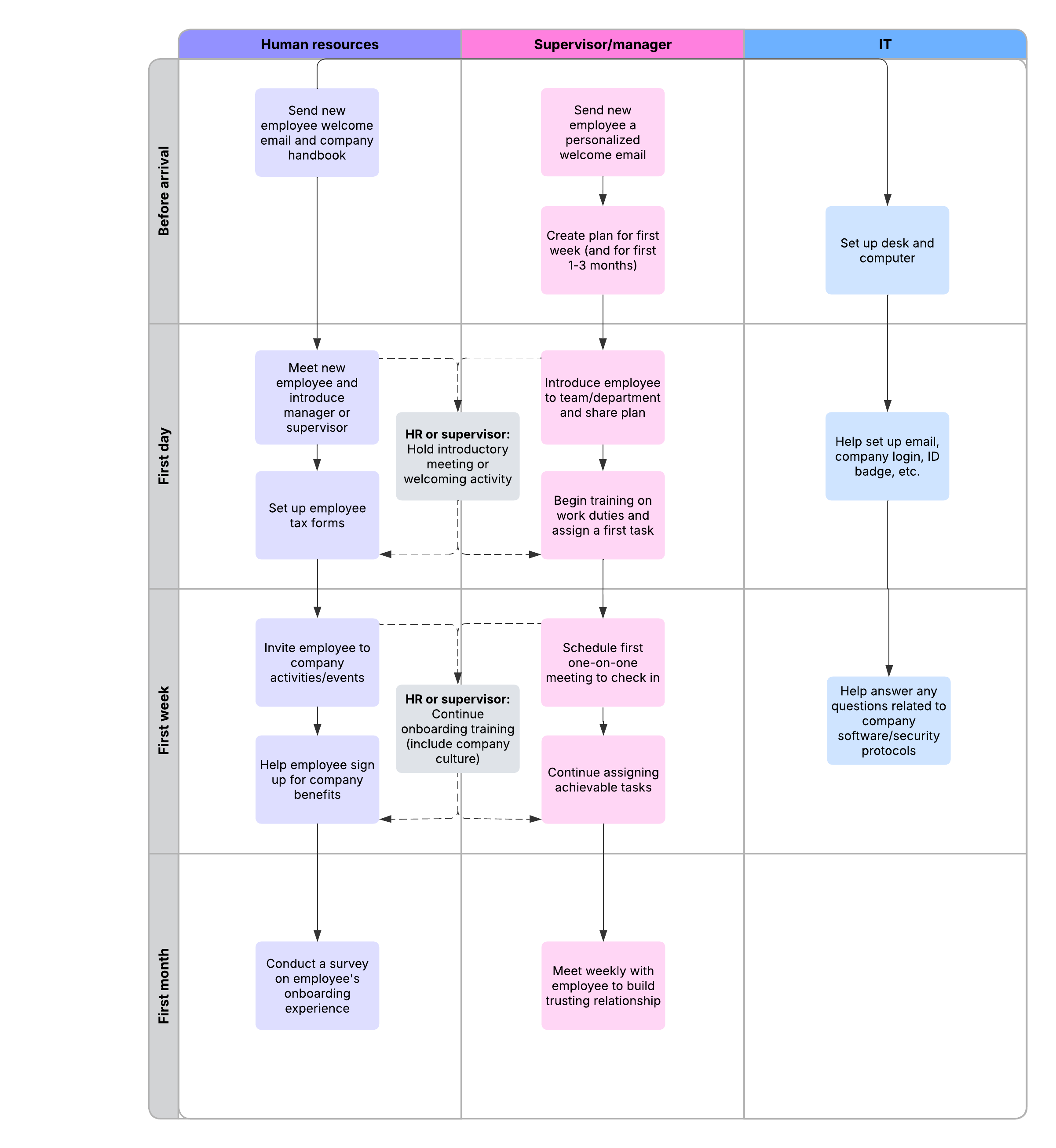
Strengthen onboarding so new hires ramp faster with less hand-holding.
Standardize training so everyone learns the same reliable method.
Different types of SOPs
SOPs come in several formats. Choose the one that matches how complex your procedure is.
Checklist: A simple list of tasks to complete or verify, ideal for short, routine procedures
Step-by-step list: A numbered sequence of instructions for a process that always runs the same way
Hierarchical list: A step-by-step list with sub-steps, useful when tasks branch into more detailed actions
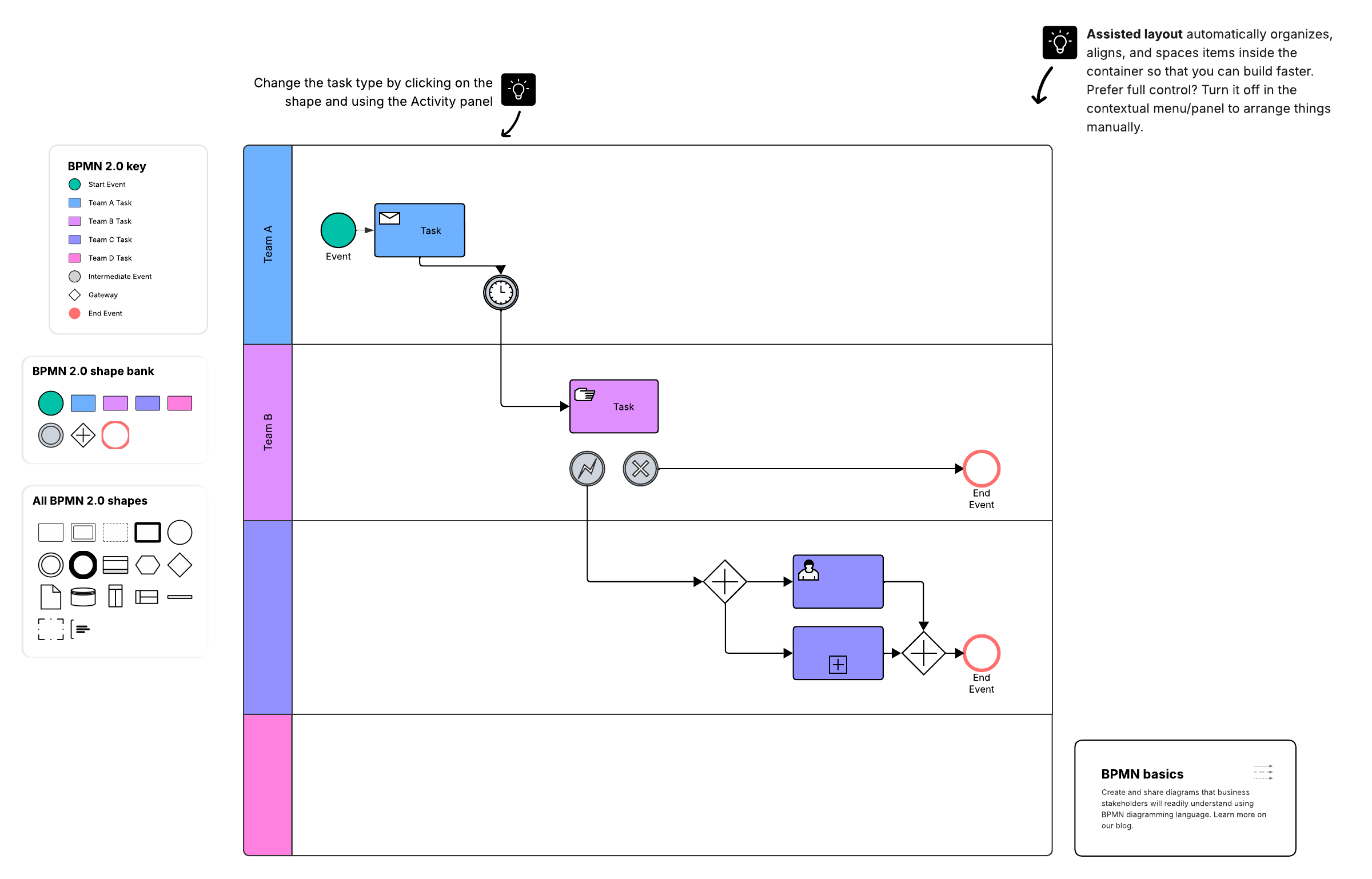
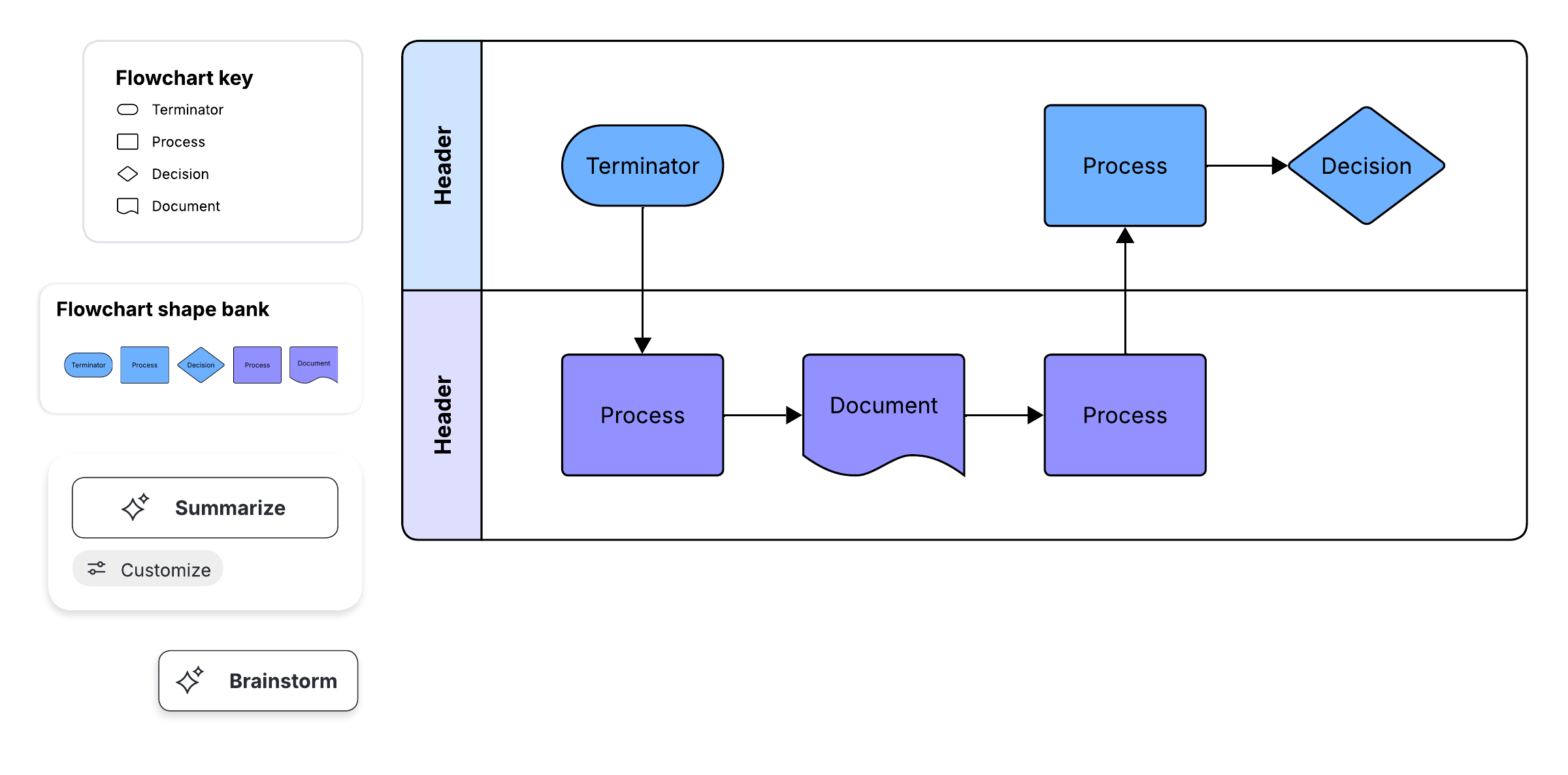
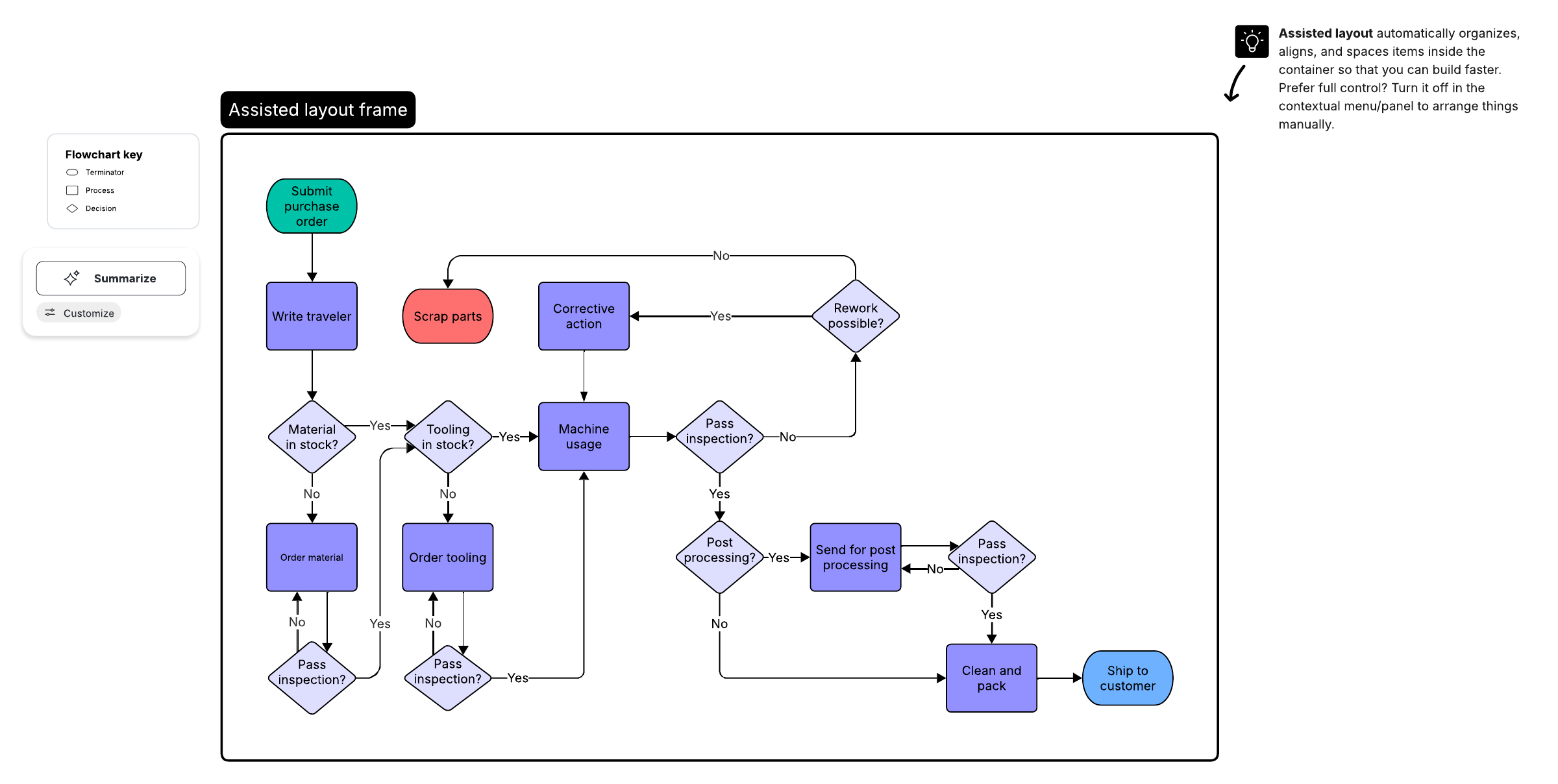
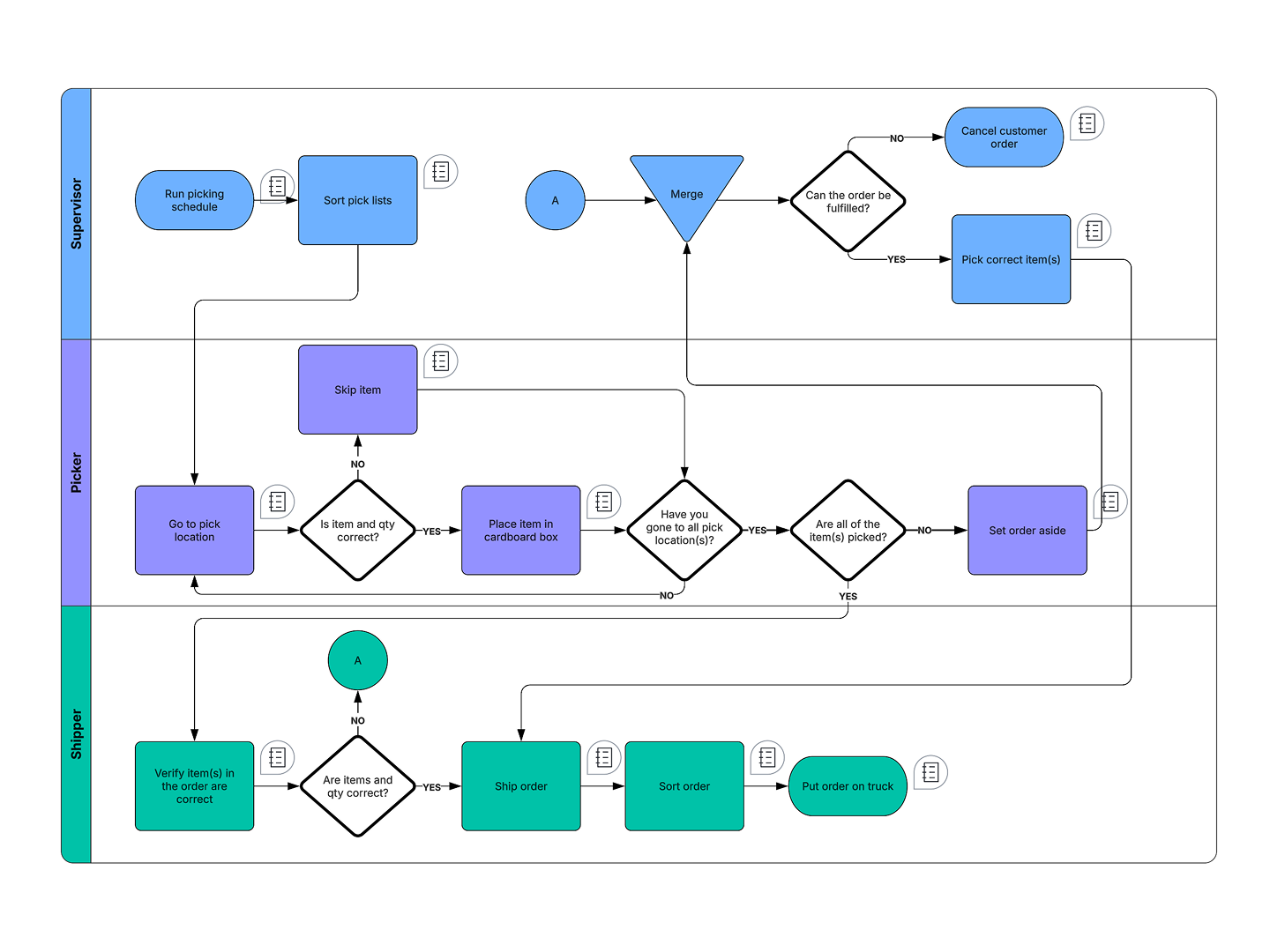
Process flowchart: A visual flowchart that maps decisions and paths, best for procedures with branches or multiple contributors
If the process flowchart seems most effective for your needs, start from an SOP flowchart template to build one quickly.
How do you write an effective SOP?
Ready to write an SOP? These steps keep the effort manageable and the result useful. Check out this guide on how to write a standard operating procedure for more detailed information.
Know your goal: Define the outcome the SOP should produce before you write anything.
Collaborate with your team: Involve the people who do the work, since they know the real steps.
Identify your audience: Match the detail and language to whoever will actually follow the procedure.
Choose the format: Pick the checklist, list, hierarchical list, or flowchart—whatever fits the task.
Write a draft: Capture every step, assignment, and decision point in order.
Implement the SOP: Roll it out, and then watch how it performs in real conditions.
Repeat as needed: Revise the SOP whenever the process, tools, or requirements change.
Remember that not every process needs an SOP. Reserve the effort for procedures where consistency, safety, or compliance genuinely matter.
Build SOPs faster with Lucid’s Process Capture
One of the hardest parts of writing an SOP is capturing how a task is actually done. Process Capture, available within Lucid AI, solves this challenge: You record yourself walking through a workflow, and Lucid AI generates an editable diagram from it. Narrating each step as you go improves accuracy.
Here is how Lucid AI’s Process Capture supports SOP creation:
Capture the real process: Record your screen as you perform the task so the SOP reflects how the work actually happens, not how you think it happens.
Protect sensitive information: Before Lucid AI processes the recording, you can preview it and redact or delete any screenshots that contain confidential data.
Generate an editable diagram: Lucid AI's Process Agent turns the capture into a diagram on your canvas, giving you a visual SOP you can refine, label, and organize into swimlanes.
Keep it current: The recording is stored in a context frame next to the diagram, so you can iterate on the SOP later as the process evolves.
Because it converts tacit, in-the-moment knowledge into a shareable visual, Process Capture is especially useful for documenting onboarding and training procedures.
If you’re ready to boost operational efficiency on your team, create clear SOPs with Lucidchart. Easily transform extensive text into visual swimlanes, checklists, and flowcharts to create living SOP documentation that simplifies onboarding and scales with your business.