Data, analysis, and strategy are all critical parts of modern-day business success. However, not all forms of strategic thinking or analysis are the same.
Think about the process of analyzing specific data points on web traffic and social media engagement to refine your marketing strategies or review sales cycle and pipeline data, opens in a new tab to optimize your sales cycle. Those processes are critical to business success, to be sure. Still, their focus is usually limited to shorter-term decisions and differs from strategic analysis, which involves a larger, long-term perspective.
Knowing the difference between types of business tracking activities and analyses can help ensure that you invest time and efforts on the right activities for the business at the right time.
Let’s define strategic analysis, how it differs from strategic decision-making, and how to conduct and work the process into larger business cycles.
What is a strategic analysis?
Strategic analysis involves researching, gathering, and analyzing data, both quantitative and qualitative. This process helps a company’s leaders decide on priorities and goals and formulate, shape, or shift long-term business strategies. Strategic analysis also helps a business understand both the internal and external factors that impact the business so leaders can create a strategy to address those factors and make smart, strategic decisions effectively.
Think about it this way — strategic analysis involves company leadership, considers every corner of the organization and looks both forward and backward to form a long-term business success plan.
What differentiates a strategic analysis from strategic decision-making?
Once you’ve evaluated the data and contextual information needed to complete a strategic analysis of the business, you can begin to make strategic decisions against that plan. While these decisions drive the business forward, there is no strategic decision-making without strategic analysis. One will always necessarily precede the other.
Where does a strategic analysis fit in the strategy management cycle?
So we’ve established that strategic analysis necessarily precedes strategic decision-making — but then what? Once decisions are made, you must implement them. The strategy management cycle is the natural back and forth process between these planning and implementation steps.
To get the full picture, let’s define each stage of the cycle:
- Strategic analysis: What factors must you consider to make wise strategic decisions and move the business forward?
- Strategic formulation: Considering those factors, what is your plan to achieve those business goals?
- Performance evaluation: Once you implement the strategy, how do you check-in and work with your people to ensure everyone is productively working toward the same goals?
- Organizational culture: How will your organization go about implementing your strategic planning and analysis?
- Strategy integration: How will the plan be integrated into everyday business processes?
Internal vs. external strategic analysis
Internal and external inputs are critical to strategic analysis, and they can both include qualitative and quantitative data.
The difference between internal and external strategic analysis is simple — internal analysis involves the internal functioning of your business, its strengths and weaknesses, and where it fits into a broader competitive landscape. In short, it’s an introspective look at the business.
An external strategic analysis considers any of the external factors impacting your business — for example, what are current market conditions, and what are your target customers asking for?
How do you conduct a strategic analysis?
Understand the required strategy level
As we discussed, strategic decisions happen across your entire organization every day. Strategic analysis is a longer-term process that impacts a broader strategic approach vs. everyday decisions or quick pivots to optimize a process or campaign.
This analysis may come in at different levels. For example, is your analysis intended for the corporate level or a more functional area like customer success or product development?
Understanding your company’s strengths, weaknesses, opportunities, and threats across every level of the business can help you devise the best strategy for future progress. No matter the strategy level you’re completing the analysis for, the goal is still to build a long-term strategic approach for your business.
Use one or more analytic methods like SWOT to conduct an analysis
How do you go about actually conducting a strategic analysis? There are many strategic analysis tools available to effectively evaluate the competitive strength of your business and come up with a strategic plan.
One of the most common is a SWOT analysis (Strengths, Weaknesses, Opportunities, Threats) analysis.
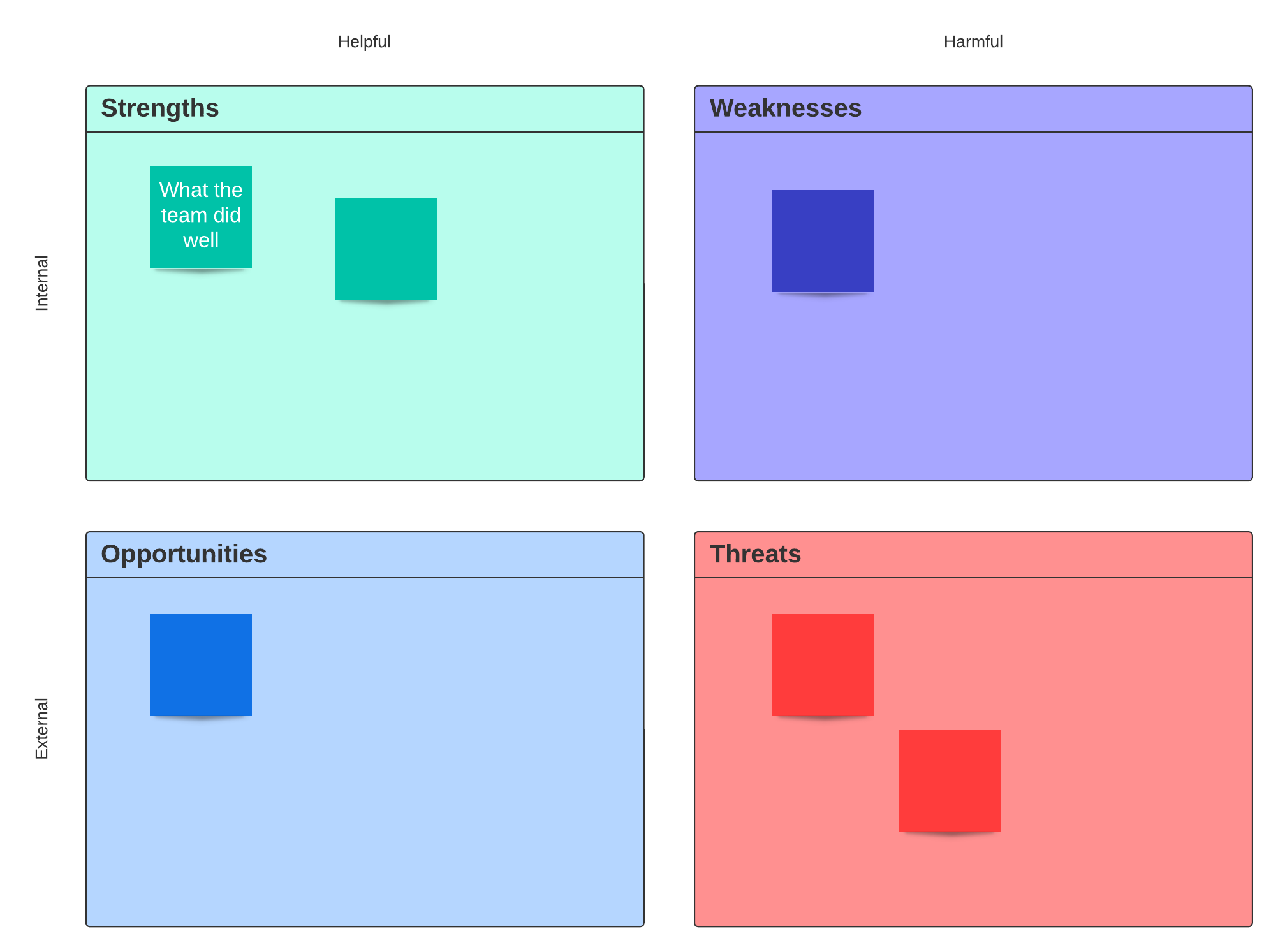
Other methods like a Gap Analysis or PESTEL analysis follow similar principles with a slightly different approach.
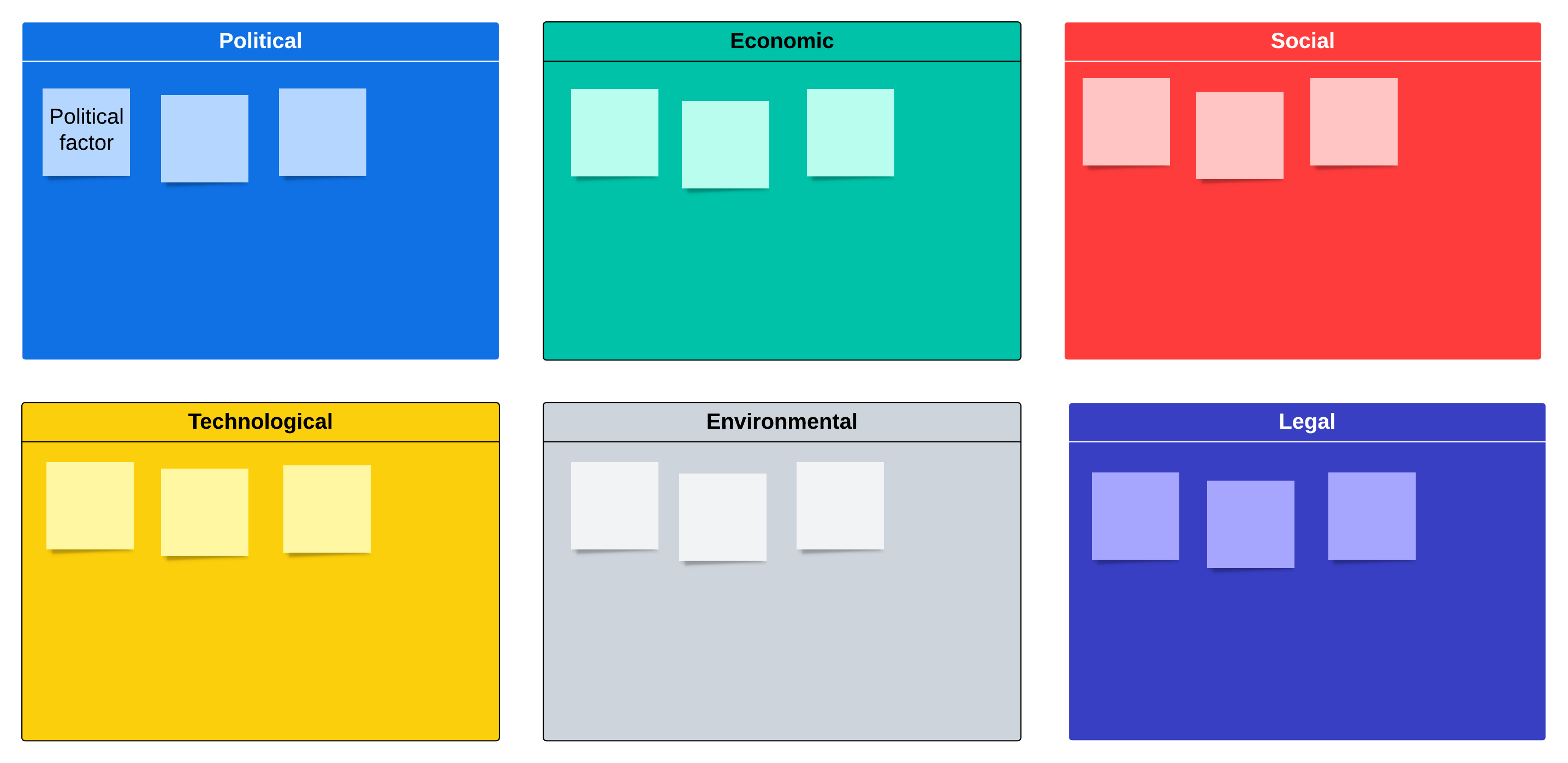
No matter which analytic method you choose, it’s important to bring the right players to the strategic table. Think about including a diverse group of employees across the organization to bring a more holistic viewpoint to the strategic conversation. A front-line CS agent will have invaluable customer insight that can inform the C-Suite’s perspective, and vice versa.
Once you’ve selected your strategic analysis team, ask each member to bring quantitative and qualitative information to the table. This may include everyday anecdotes, performance data, or insights from industry experts or publications. All of this information will help you facilitate a robust conversation about where your business sits in the competitive landscape and the strategic decisions you can make to improve that positioning.
Share key findings from strategic planning and analysis
Your strategic analysis will define your strategic approach, so it’s important to clearly document your findings. Whether you completed your strategic analysis on a real or digital whiteboard or some other method, take photos or screenshots of your team’s analytic process and conclusions.
Organize these findings into a visually appealing presentation that will make it easy for others in your company to visualize and understand the findings from your strategic analysis. Buy-in on new strategic decisions also becomes easier whenever you can show the thoughtful analysis behind them.
Create a formal strategy based on the analysis
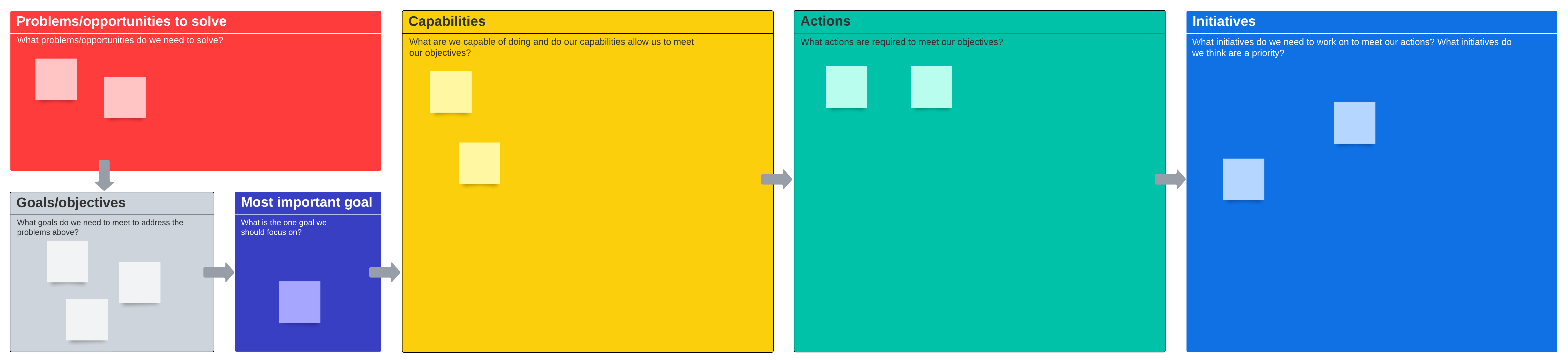
Once you’ve completed a strategic analysis, it’s time to organize and set some priorities and goals. What opportunities did your business’ strengths reveal? How are your competitors playing into your weaknesses, and how can you turn the tables? What should the business lean into, and where must business priorities shift?
Document your answers to these questions and more in a strategy map that aligns your company’s overall objectives to any new strategic decisions to show how one will necessarily impact the other.
Evaluate and control
With a strategic analysis and map in place, you can now apply those findings to strategic decisions to move the business forward. However, a strategic analysis isn’t a one-and-done or a set-it-and-forget-it process. The market may change quickly, and new competitors may emerge.
Set clear KPIs against strategic objectives and monitor performance over time. Continue to pay attention to both internal and external factors that may impact your business. If necessary, conduct a new strategic analysis to ensure your business stays on track.
Strategic analysis is core to every successful business, and a multifaceted strategic approach that considers both short-term pivots and longer-term strategic shifts are necessary to maintain momentum and competitive advantage.

Take your strategic analysis to the next level using visuals.
Find out how
