
Do you know what your customers really want?
It sounds simple, but understanding what your customers want and how they experience your brand is fundamental to the success of your business. And you may be surprised at what you learn when you ask.
So how do you capture those insights? And more importantly, how do you incorporate that data into your business? That’s where Voice of Customer (VoC) programs come in.
VoC programs can level up your customer experience, spur innovation, and drive growth across your business. But only when done right.
Use the following tips to improve your customer experience across the board.
How a VoC program delivers value to your company
Understanding your customers isn’t just a feel-good exercise. It can add real value to your business.
A VoC program captures customer data and converts it into actionable insights and business takeaways. After all, what good is data if you don’t know how to use it?
The VoC data you uncover from your customers helps you:
- Identify customer needs and expectations
- Uncover new ideas and creative solutions for products, services, marketing, and sales
- Prioritize improvements and investments in your business based on customer needs
- Discover and address potential issues before they become problems
- Make strategic, data-based decisions for your business
In other words, your VoC program can help you improve the customer experience at every level, which then leads to customer loyalty, satisfaction, and an increase in sales, referrals, and retention.
VoC data capture methods
VoC programs focus on capturing customer data through multiple channels and methods. There are three main ways to collect VoC data:
Direct feedback
Direct feedback just means the customer knows they are responding directly to the business and expect the company to listen to their feedback. This can include surveys that track Net Promoter Scores, market research, or panels. Direct feedback is useful because it gets the data straight from the customer.
Indirect feedback
Indirect feedback is when a customer talks about a company but not to the company. This can include review sites and social listening. Social listening (such as analyzing customer Tweets to or about your company) helps you stay on top of trends that could affect your business and learn how people view your brand.
Indirect feedback can give you added insight into what current or potential customers think about your company and clue you in to opinions you might not get from a survey.
Inferred feedback
Inferred feedback is based on how customers use products and services. This feedback is really data about customer behavior, like how long they browse your site or their purchase history.
Inferred feedback helps you understand how customers interact with your website or products, which can then help you build a better online experience and gather additional context around your direct and indirect feedback data.
The key to making the most of this customer data is to use all three types of feedback to get a clear picture of your customers’ experiences. Capturing and analyzing VoC data will put the feedback into context and help you make better, more targeted decisions to improve the customer experience across the business.
How to improve customer experience with a VoC program
The power of VoC is how it can be applied to multiple areas of your business. VoC data will help answer questions about product development, marketing messaging, and the customer journey.
Product development
VoC data can answer questions like:
- How well does our product meet customer needs?
- Is it easy to use?
- Are we creating value?
- What is missing?
- How can we better help customers succeed?
In other words, VoC data can help you identify customer pain points when using or interacting with your products and reveal opportunities for innovation or expanded features and services.
Use VoC data to:
- Make improvements to boost your product’s usability
- Prioritize new features to set you apart from competitors
- Uncover opportunities for complementary products or services
As you respond to customer feedback on your products, you will tailor the customer experience to their needs, increasing the value of your offerings and boosting customer satisfaction.
Marketing copy
Great marketing relies on knowing your audience and speaking directly to them. But this is easier said than done. VoC data can help marketers and copywriters uncover the words, terms, and phrases your customers use and respond to so that every message is on brand.
Translating VoC data into your marketing messaging can help you identify and better describe what makes your brand different, explain what your product is and what it does, and ultimately convert more visitors into buyers.
This isn’t just good for business—it’s also great for customers. When you can speak directly to their needs and meet their expectations, the better their experience will be and the more value they’ll get.
Customer experience
Your VoC data is only valuable if you actually put it to use. When you do, it can directly affect customer experience throughout the customer journey. Map your VoC data across the specific stages of the customer journey to reveal opportunities for improvement.
Use VoC data to detect pain points, with careful attention to transitions and handoffs (like onboarding or passing customers from sales to customer success teams).
How to optimize your VoC program
It’s clear VoC data can improve the customer experience. But how do you improve your VoC program for even better results?
Follow these best practices to streamline your process.
1. Collect data
There’s a lot of data to capture and organize when running a VoC program. Without a strong system, you risk missing key opportunities and insights hidden in the data. To avoid this, make sure you’re asking the right questions and using the best tools for the job.
Evaluate your questions
Collecting actionable feedback means you need to ask the right questions at the right time to the right people. Create user personas to target your questions more effectively. Then, ask questions that are relevant to their experience and tie directly to your business goals.
Pro Tip: Only ask questions that you are prepared to take action on. Customers feel heard and valued when they see that you listen to their feedback and act on it quickly.
Use the right VoC tools
A robust VoC program will bring in a lot of customer feedback and data to sort through. Keep your data organized, on track, and easy to read with visualization tools like Lucidspark. Lucidspark makes it easy for teams to collect and share customer insights, map customer journeys, and get aligned on next steps.
Dive into the data and see things from your customers’ point of view with plug-and-play templates like user story maps, empathy maps, user personas, and customer journey maps.
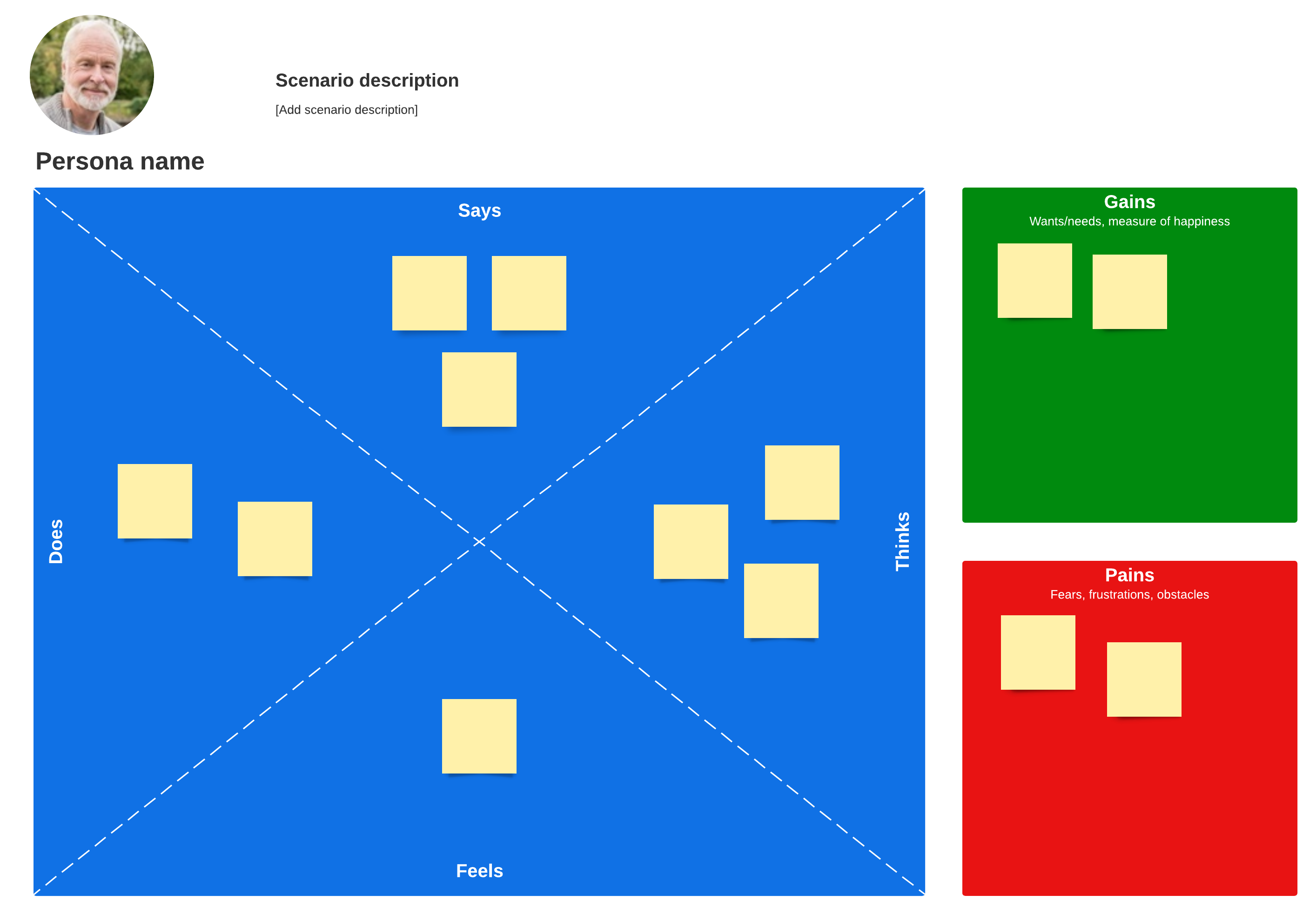
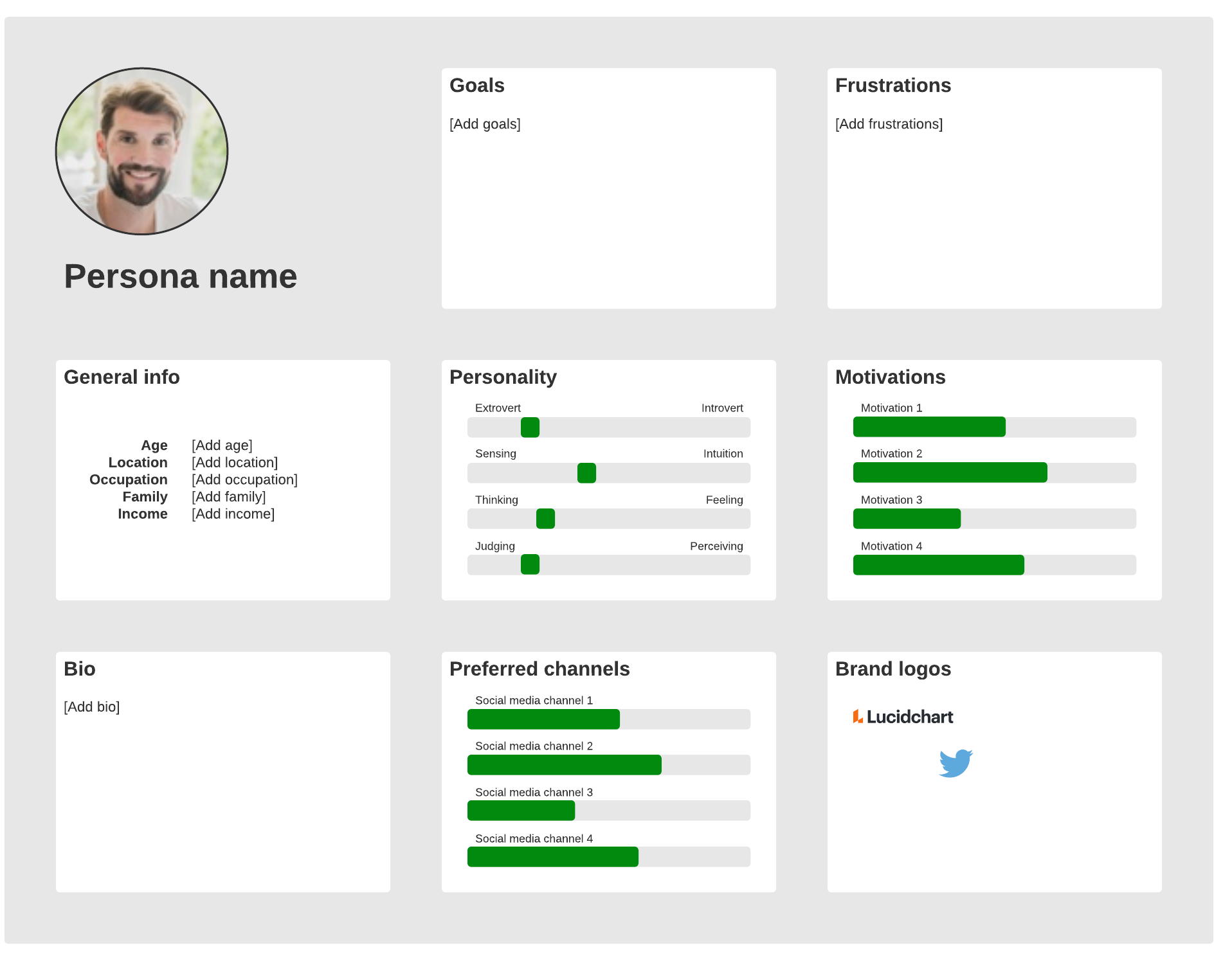
Collect and document your customer research in one shareable place so nothing falls through the cracks. Organization and visualization tools like Lucidspark help you uncover insights and opportunities more effectively so you can optimize the customer experience with targeted precision.
2. Analyze and draw conclusions
Once you have your data, it’s time to review and analyze it. Make note of any patterns, trends, or gaps. These may reveal opportunities or demonstrate areas you need more information.
Additionally, compare what the customers say versus what they do when interacting with your business or website. If there are gaps, consider why.
Once you have analyzed the data and identified your takeaways, prioritize what you are going to act on first. Be sure to collaborate with stakeholders across the business to make sure your conclusions and targets are sound and align on your plan of action.
3. Implement
Go forth and change the world! Or, at least your customer experience. Rinse and repeat.
Communicate VoC data internally and externally
A successful VoC program is dependent on clear, consistent communication internally and externally. Without that communication, your teams will struggle to stay aligned and in the loop on key VoC insights and their role in implementing optimized customer experiences.
Internally
VoC data should be communicated across the organization including in:
Goal setting—Teams should align their goals and work priorities around VoC takeaways and use customer experience as a key metric of success.
Policy decisions—Make policy decisions around your customers’ needs and feedback. Use ongoing VoC data to tweak your approach and make sure new policies and actions are having the impact you want.
Product development—The products and features you develop (and when) are strategic decisions. Work with your product teams to identify and prioritize your product development pipeline.
Team motivation—Don’t leave your teams in the dark. Communicating VoC results (and takeaways) with employees will provide context for customer experiences, help teams improve processes, and provide insight into the quality of employees’ experiences.
Externally
Customers need to know you listen to them and value them. A Rockefeller Corporation study found that 68% of customers who leave do so because they believed the company doesn’t care about them.
Show you care by making these part of your VoC program:
- Follow up with customers and act on feedback as soon as possible.
- Personalize your response to customers.
- Publish reports with your findings and speak to the negatives so customers know you are listening to them.
Companies that respond to their customers in word and action demonstrate they care about and are better positioned to meet the needs of their client base.
Why should I implement VoC optimization?
Here’s the bottom line: Better customer experiences result in increased sales and retention.
But building better experiences shouldn’t happen in a vacuum. (Because that sucks). Instead, a strong customer experience requires a robust VoC program with organization-wide alignment.
As you optimize your VoC program to improve customer experience, you’ll see happier customers, more engaged employees, and higher returns.
Start building your VoC program today with Lucidspark.

Give this user story map template a try to visualize what stakeholders want to get out of the product.
Improve your customer experience
