Think back to when you were in school. You likely spent hours sitting in a classroom staring at a whiteboard (or chalkboard) listening to a teacher talk, then went home to spend a few more hours on homework. It wasn’t very exciting. And it wasn’t very effective, either. Thankfully, that lack of effectiveness has been the catalyst for change—meet the flipped classroom.
What is a flipped classroom? The flipped classroom is a blended learning model in which traditional ideas about classroom activities and homework are reversed, or "flipped."
In this model, instructors have students interact with new material for homework first. They then use class time to discuss the new information and put those ideas into practice. We’ll go over the benefits of flipped classrooms and how best to transition to this new learning style.
Benefits of a flipped classroom model
Interactive learning
In a flipped classroom, lectures and material are available online. That means being able to easily bookmark passages, send questions to the teacher before the next class, and watch related videos. This interactive component allows for a much richer pedagogy that can target all learning styles.
Teacher/student interaction and interaction with peers
A flipped classroom is highly collaborative, which means students are encouraged to spend their time working either directly with the teacher or in small groups. In addition to helping students absorb and understand the material better, this interaction also helps students develop interpersonal skills as they learn.
Actively engaged students instead of passive listeners
No more sitting in the chair, zoning out, or texting beneath the desk. A flipped classroom encourages students to become leaders and self advocates. Students sit in either small groups or meet with the teacher individually, so they’re not given the choice to be distant observers. This makes learning personal and much more compelling than sitting there trying to passively absorb material.
Student-led pace
The biggest issue with traditional classroom instruction is that the entire class is necessarily forced to move at the same pace. Some students will end up bored while others won’t have enough time to complete their work. When the instruction is primarily self-guided at home, students can take as much time or as little time as they wish with the lecture.
More attention from students
If your lecture needs to compete with the latest Kpop controversy, it won’t stand a chance.
The great thing about a flipped classroom is that it doesn’t require the same amount of attention as sitting in a chair and listening to a lecture. A student can begin listening to the lesson at home, pause for a walk or to play a game, then resume whenever they feel like it. The next day at school, the student can take a hands-on approach to the material. Instead of working against diminishing attention spans, the flipped classroom approach works with attention spans.
Time to process and reflect on new information
If you’ve ever come up with a really great comeback the day after a fight, you know that the human brain sometimes requires time to process information. You’ve also probably noticed that, often, after hearing new information and being asked if you have any questions, you don’t have any questions...until a few hours later.
The problem with a traditional teaching model is that it doesn’t allow for students to process the information they’ve been given and then ask clarifying questions. By the time they’ve absorbed the information, it’s on to the next lesson.
In a flipped classroom, students can think about the information for a while and come to class prepared to ask clarifying questions.
Videos and content created for outside lecture time can be reused year-to-year
This means potentially much less work on the teacher. It also helps fight classroom fatigue to help keep teachers excited and engaged with the material instead of repeating lessons by rote.
How to flip a classroom
Determine your technology
A flipped classroom relies heavily on technology. You’ll need to figure out a platform that allows for student/teacher collaboration, video hosting, and question gathering. First, list out what you’d like your dream platform to do, then find a solution to match it.
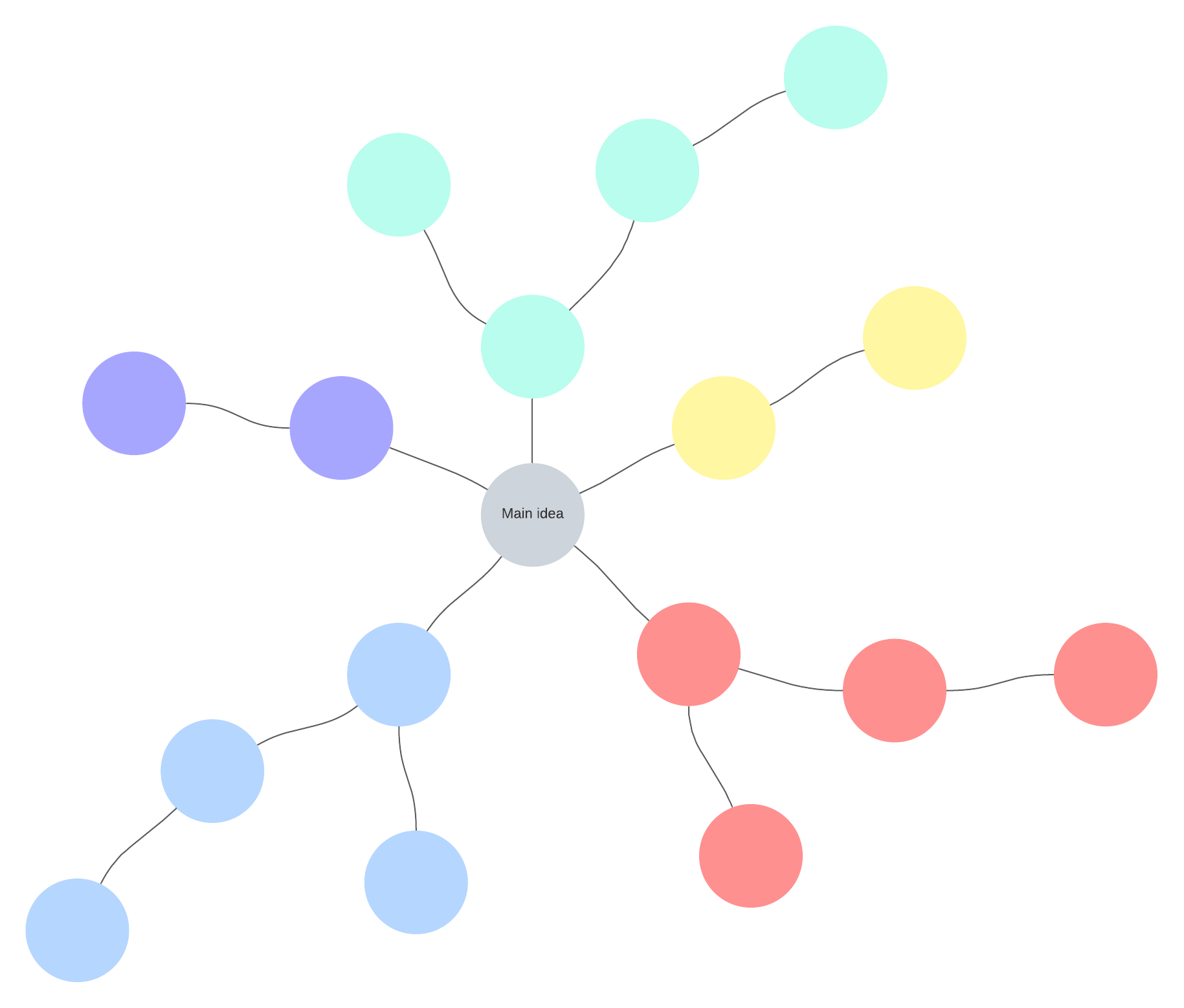
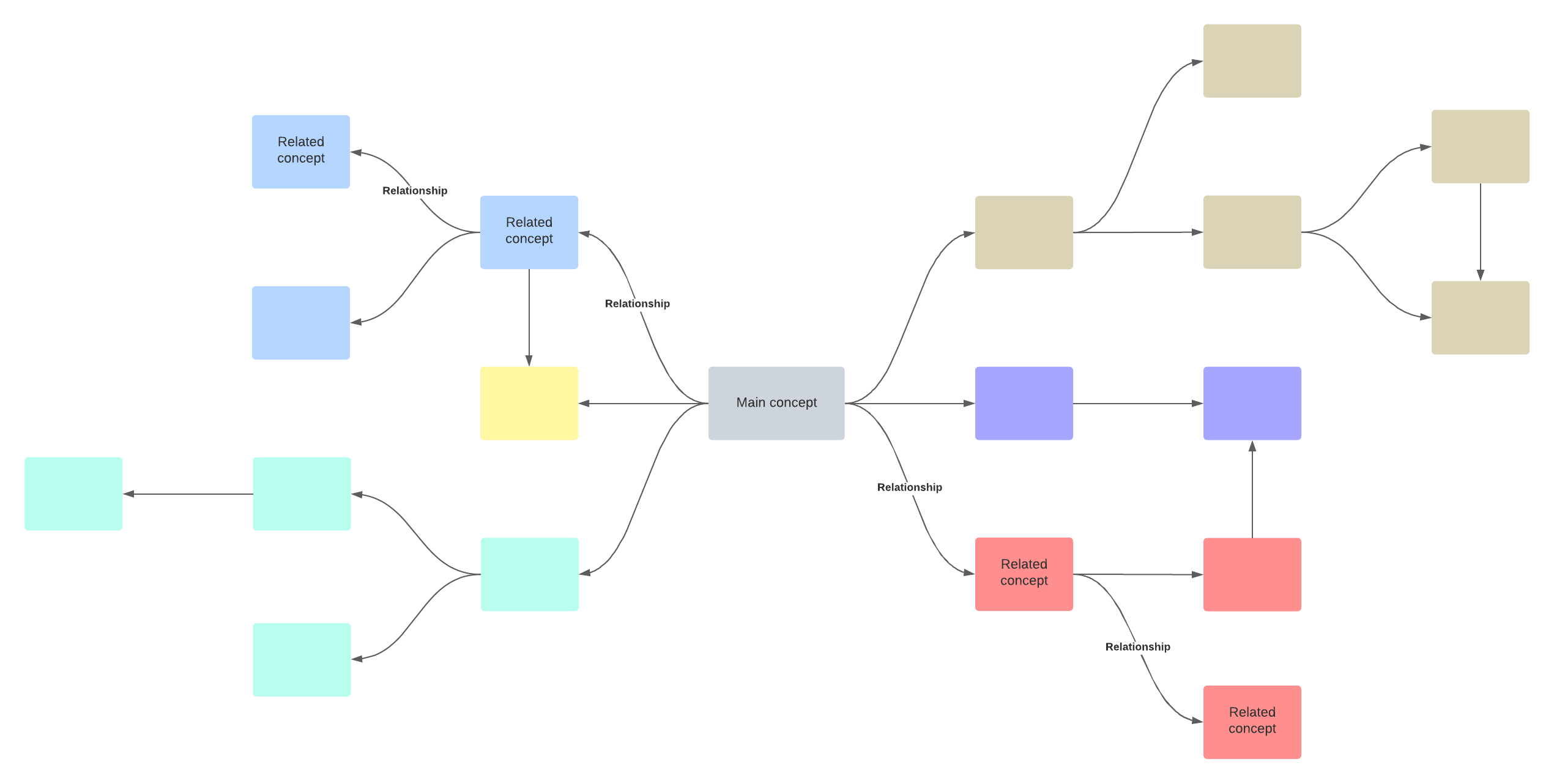
Lucidspark is a virtual whiteboard where students and teachers can collaborate (in real-time or asynchronously) to build mind maps and concept maps, brainstorm as a group, and swap ideas.
Create content
This is the time-consuming part, but you should be encouraged by the fact that you really only have to do this part once since you can keep reusing this content. Also, the content doesn’t always need to be you lecturing. Consider incorporating:
- Online videos
- Online reading
- Presentations
- Podcasts and screencasts
- Discussion forums
This is another example of how flipped classrooms can conform to the needs of students: you can develop lesson plans that are auditory, visual, and tactile.
Communicate expectations to students and parents
Parents can often be the biggest barriers to their child’s education. However, because flipped classrooms rely so heavily on technology, it’s easy for parents to see exactly what the future plans are for their child’s course of study. It’s also easy for students to review past lessons and, depending on the platform, see what’s coming up. Develop a way to communicate with parents so they can understand the platform you’re using and even submit ideas.
Create accountability for students
Flipped classrooms are great, but they’re only great if students uphold their end of the bargain. After all, they’re young and will test boundaries. Help them be accountable by using completion markers for lessons watched. And consider incorporating evaluations such as:
In-learning quizzes - These are usually completed right after students watch a video or read a lesson. You can decide to make these quizzes influence your students’ grade or to simply use them as an indication of where students are struggling.
Multiple choice/short answer quizzes - Fondly known as “pop quizzes,” these are great for seeing which students have completed the lesson for homework and for gathering feedback on what your students aren’t understanding. This is useful for determining what to focus on afterwards.
Essays - You don’t need a typical five-paragraph essay here; a simple paragraph will do. Some students have difficulty with the formatting of tests and express themselves better in essay format. Essays can provide an open-ended, organic way for students to demonstrate comprehension.
Conduct in-class activities
The above methods of gathering feedback and encouraging accountability are great for determining what to focus on in person. Because students will have different levels of comprehension, flipped classrooms are meant to adjust in-class activities based on understanding of assigned material.
There are two basic types of in-class activities (bear in mind that these can also be used for hybrid settings in which some students are learning via online portals):
Individual activities - In addition to working one-on-one with individuals, consider assigning concept maps, speech presentations, and individual problems.
Group activities - Students should work in small groups to discuss material, debate, and even work on projects together. Lucidspark has Breakout Boards that make this kind of small group work easy.
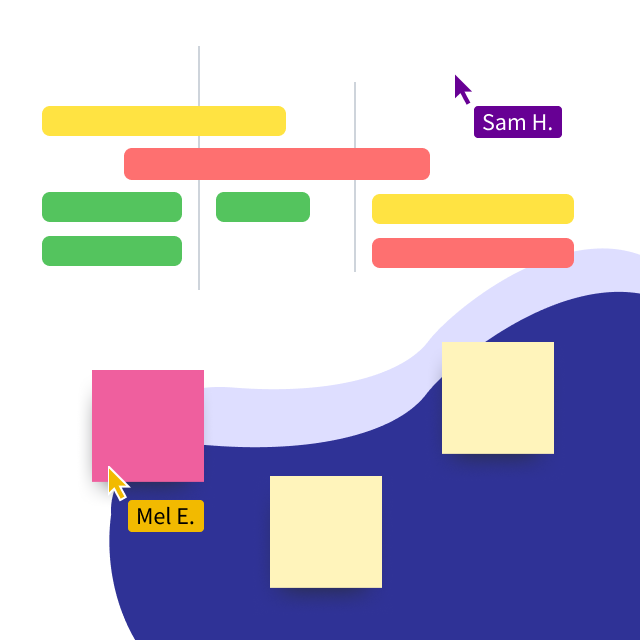
Flipped classrooms could be exactly what your classroom needs. Get started with Lucidspark and watch it transform your teaching style.
Start now
