Everyone can think of a time when they wondered whether a meeting was necessary, opens in a new tab. Whether virtual or in-office, many meetings go on too long, involve too many people, or could have been an email. The secret to an effective meeting? How you start it.
When deciding how to start a meeting, have an outcome in mind. Whether or not the point of a meeting is clear by the end depends on the way it begins.
Once you understand how to open a meeting, it can make all the difference. Here’s why it matters—plus tips for how to start a meeting right.
The importance of starting a meeting well
When considering how to start a meeting, most of us only really think about the basics:
- Making the introductions
- Going over the ground rules
- Reviewing the meeting agenda
- Diving right into everything
There’s value in making sure everyone knows one another and what the meeting is about to begin with, but beyond introductions, these housekeeping items have little to do with setting up an effective meeting.
Before someone can feel engaged and ready to participate in a meeting, they’ll want to get answers to two unstated questions: Why am I here? Why should I care?
There are a variety of ways to start a meeting but the most successful meetings begin by answering those two questions. When learning how to start a meeting, this is how to answer those questions and more.
How to open a meeting effectively
1. Start on time
How you start a meeting can make or break your meeting’s success. When opening a meeting, first things first: make sure that your meeting starts on time. Nothing quite sets the tone for a meeting (and the mood of its participants) than showing respect for everyone's time.
2. Answer “Why am I here?”
Next, you need to answer the question of “Why am I here?” for everyone you’ve invited. You can do this by breaking down the components of your meeting and explaining how they relate to the participants.
In other words, when opening a meeting, start by describing the purpose and the benefits of participating.
- The purpose: Clarify what the meeting is about right from the onset by making a statement using this format: “The purpose of the meeting is X. Once we’ve concluded today’s meeting, we’ll walk away with Y.”
- The benefits: This is where you get to build up excitement for your participants by illustrating why the meeting is important to them. Answer “Why am I here?” by clarifying “What’s in it for me?” Give examples of what will change for the better.
3. Answer “Why should I care?”
The next part of how to open a meeting effectively is for you to address the question of “Why should I care?” This is something that can be done by clarifying the following:
- Their unique role: Let everyone feel empowered by describing the authority they’ll have in shaping decisions or impacting change. If you can, explain why they were selected to participate. Was it their experience? Bold ideas? A recommendation?
- Their involvement: Once you’ve started, an effective meeting also requires you to get the team immediately engaged. Do this by asking everyone what they hope to accomplish. What will success look like to them? What do they want to discuss?
4. Define everyone’s role in the meeting
Sometimes, it is helpful to define people’s roles when you start a meeting. This can be as simple as designating who is in charge of keeping the meeting minutes, who is presenting, and who is moderating. After clarifying why the meeting matters to the participants, defining how they are expected to show up can provide additional structure and engagement throughout.
How to improve your meetings going forward
Above is the framework of how to open a meeting and get things moving forward. When it comes to facilitating better meetings, making stronger connections with participants, and improving your ability to read the room, use the following observations and tactics.
Connect with yourself first
Before you open a meeting for others, learn to be more open yourself.
Or as Agile coach and skilled meeting facilitator Simon Macpherson says,
“Take time to connect with yourself so you can connect with others. Doing so helps build a space for better focus, collaboration, and creativity.”
Connecting with yourself involves things like:
- Being comfortable leading group discussions
- Knowing how to keep the conversation going
- Keeping open to different opinions or views
Facilitating an effective meeting within your organization is a mix of analytical thinking and the power of emotional intelligence.
Do a team building exercise
Making introductions and sharing names isn’t always enough to set the stage for an effective meeting. This is especially true when you’re bringing everyone together to work on a project that requires lots of time, energy, or research or has a major impact on the company.
Besides helping people get to know one another, team-building exercises can help build trust and camaraderie, encourage creativity, improve morale, or promote participation.

Explore some of our very favorite team-building activities (that are actually fun).
Whether you lead an in-office team or a hybrid workforce that conducts most of its meetings over Zoom or Microsoft Teams, team-building exercises can take place on a virtual whiteboard like Lucidspark. Lucidspark features many free icebreaker templates, opens in a new tab including:
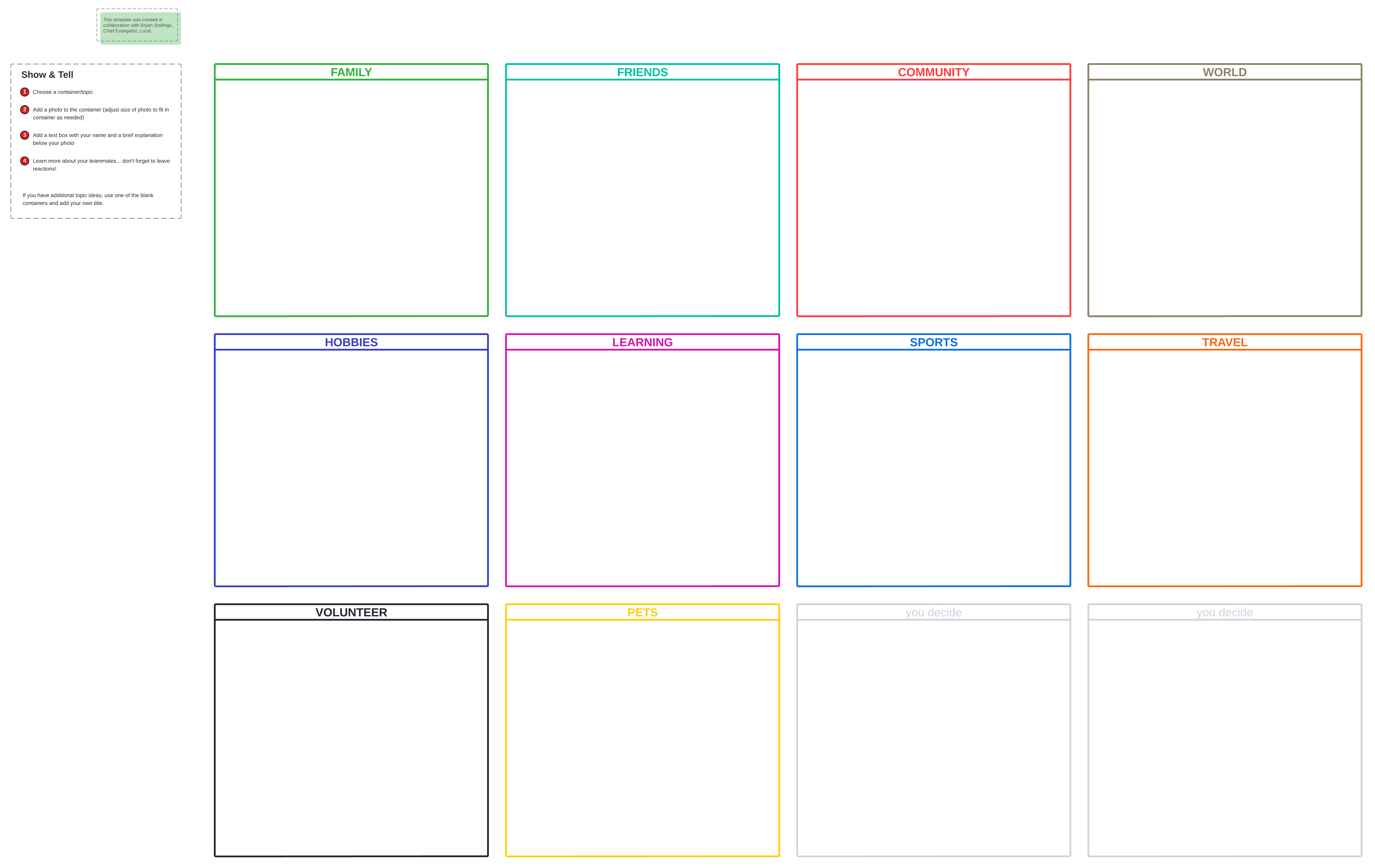
- Show-and-tell: Pick your icebreaker topic ahead of time, like family photo, favorite vacation, or significant event. Ask participants to choose a photo related to the topic. Upload photos for sharing, adding captions, and making comments.
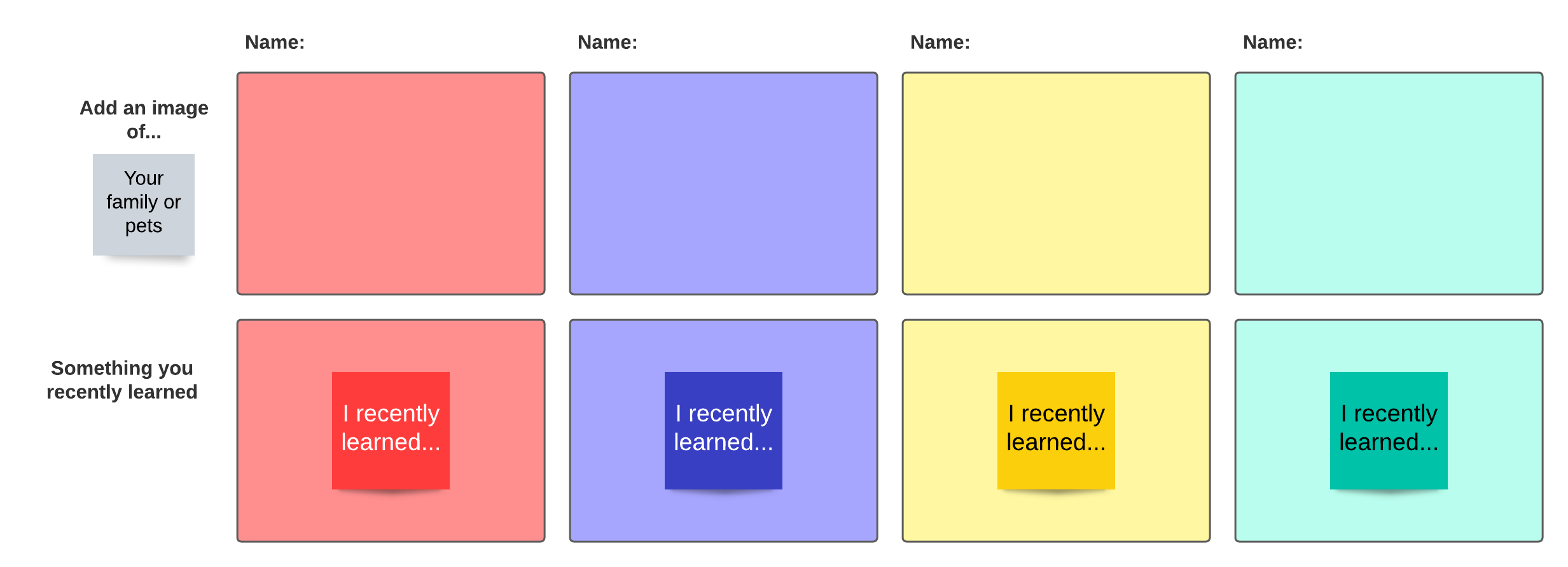
- Quick share: For a more impromptu team building exercise, everyone can add their name, upload a favorite photo, and write down something that they recently learned. People can comment or ask each other questions in real time.
- Get to know you: With this template, put questions in the containers. Ask participants to respond to questions with sticky notes. Liven up responses with GIFs, images, and icons. Read other team members’ answers and leave reactions.
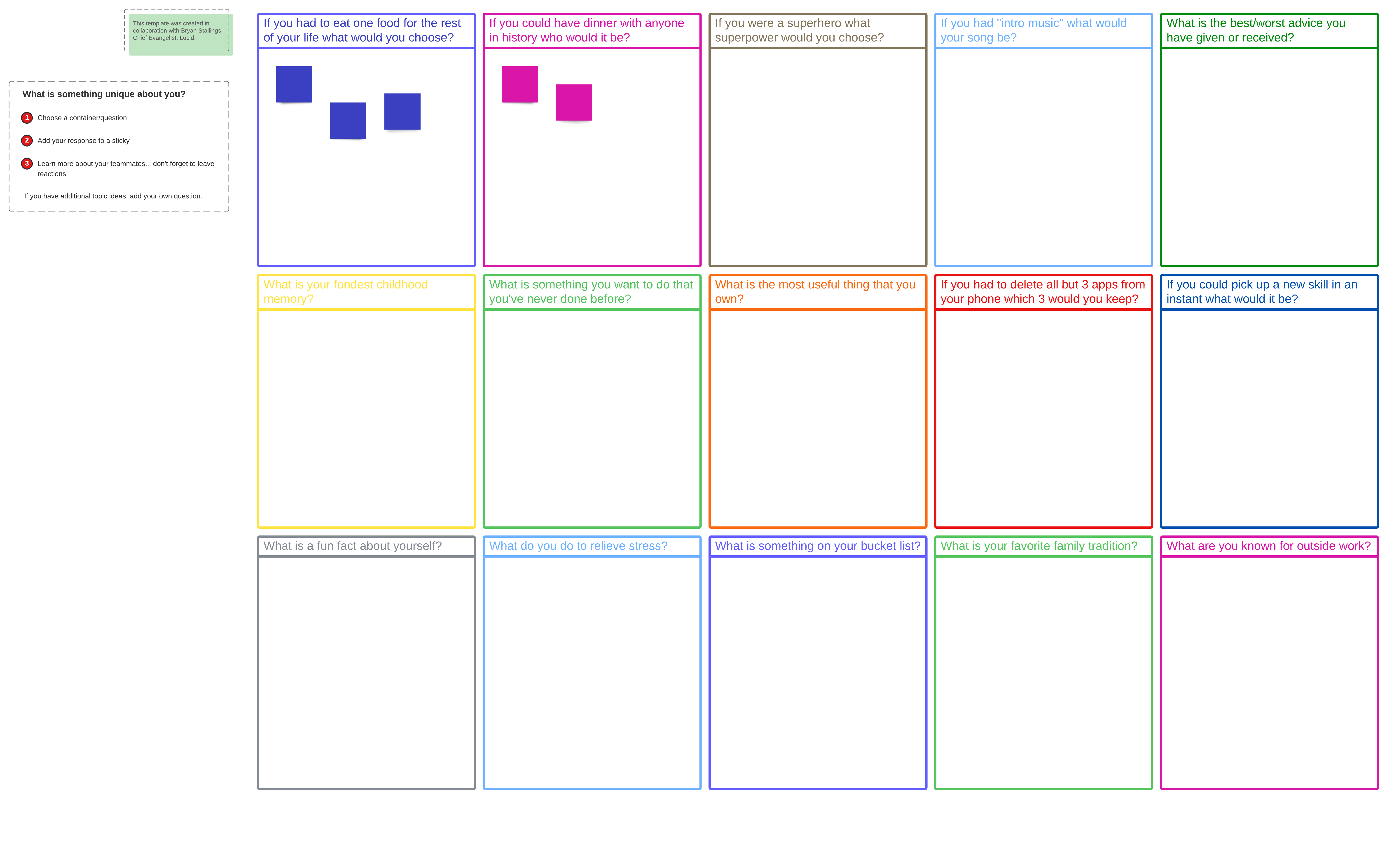
The use of team building exercises and icebreakers, in-person or virtual, underscores an important aspect of how to open a meeting and ensure yours is an effective meeting.
Give everyone a chance to participate
A major challenge to hosting an effective meeting is keeping people engaged from start to finish. People come together for meetings to make decisions, solve problems, and generate ideas, all of which require active participation.
Passive participation often happens because of how you choose to run your meeting in the first place. Presentation decks with too many slides, allowing dominant personalities to take over, or not sharing an expectation to participate are all to blame.
Some proven ways to give everyone a chance to participate and stay engaged include:
- Giving your participants tasks during the meeting with a limited time frame
- Breaking into small groups of 2-3 to discuss an idea or solve a problem
- Keeping a continual expectation of meaningful involvement in your meeting
- Utilizing virtual whiteboard features like voting sessions to get input from everyone
Share the agenda early
Giving all your participants the opportunity to plan and be prepared beforehand goes a long way to guaranteeing an effective meeting.
As a general guideline, the agenda for an effective meeting should include:
- The purpose and goal of the meeting
- Notes on progress from prior meetings
- Each item up for discussion
- Amount of time needed for discussion
- The expected outcome of the meeting
Consider using a question-based agenda to promote creative problem-solving abilities.
Confirm every participant has access to the meeting agenda, opens in a new tab and any other resources at least 24 hours in advance. Attach your agenda to the invite or make it accessible online to everyone.
By learning how to start your meetings well, you’re one step to closer to better, more effective meetings.
Explore our expert tips for facilitating better meetings.
Read more