Mind maps, concept maps, and synthesis templates
Don’t stop at mind maps and concept maps! Synthesize ideas with Venn diagrams, affinity diagrams, idea boards, and more.
Typing filters results after every character typed
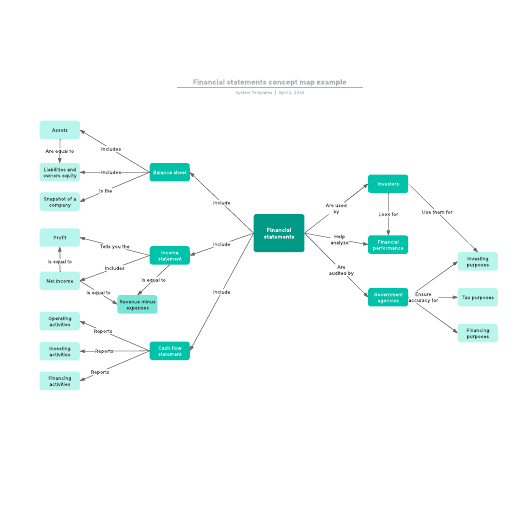
Financial statements concept map example
Pricing:
Paid Account
Go to Financial statements concept map example template, Pricing: Paid Account
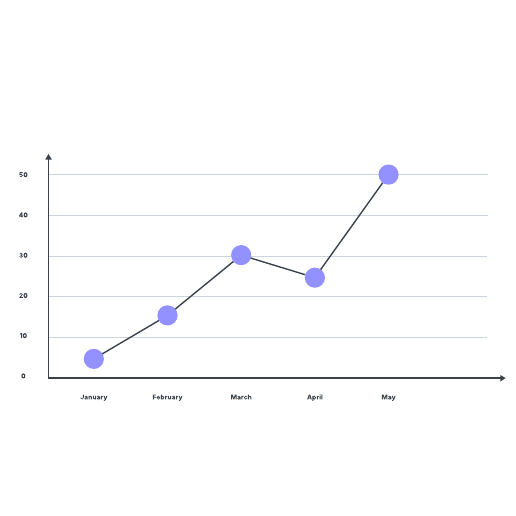
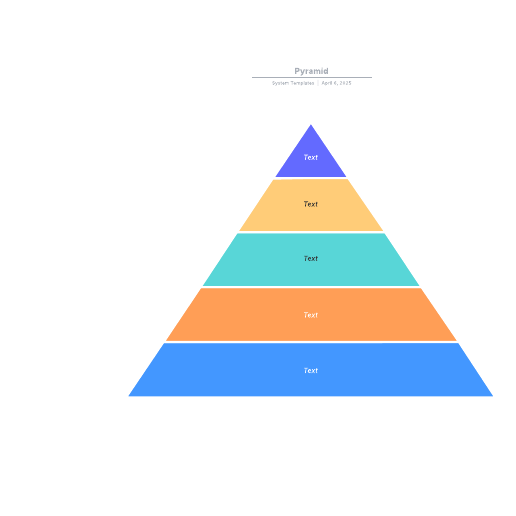
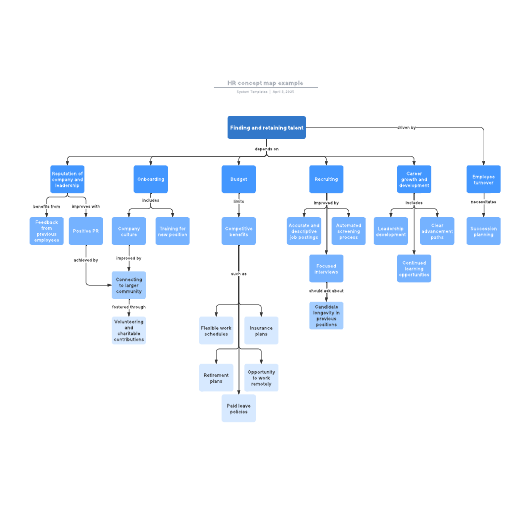
HR concept map example
Pricing:
Paid Account
Go to HR concept map example template, Pricing: Paid Account
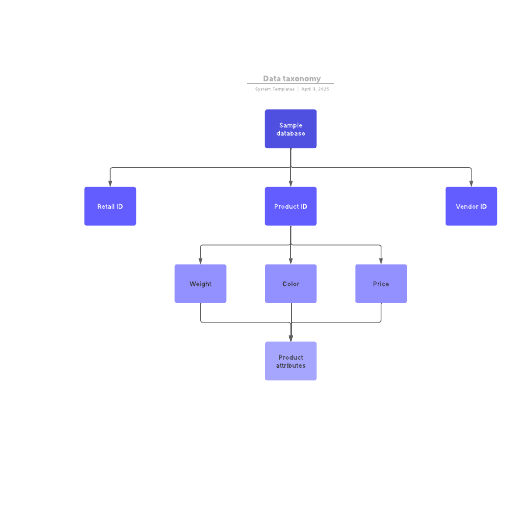
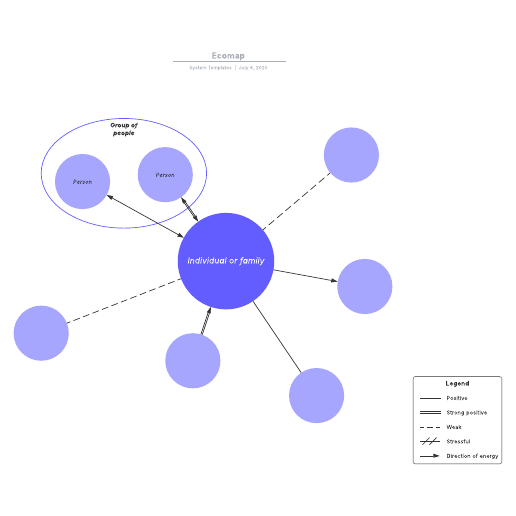
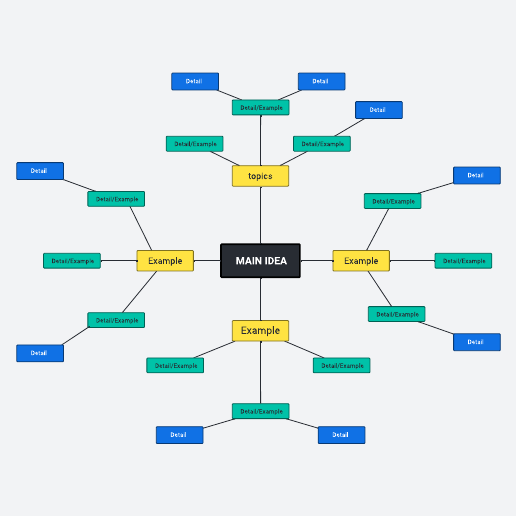
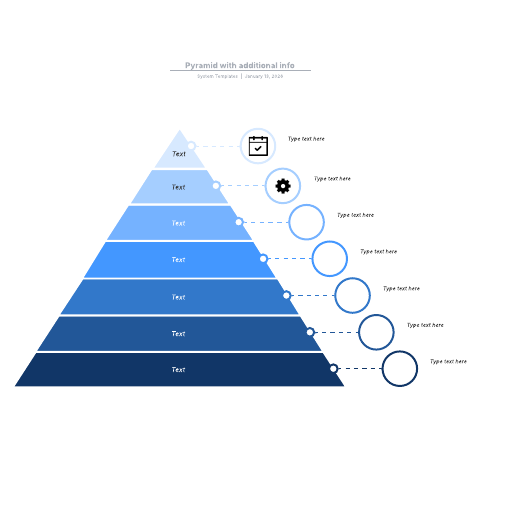
Pyramid with additional info
Pricing:
Paid Account
Go to Pyramid with additional info template, Pricing: Paid Account
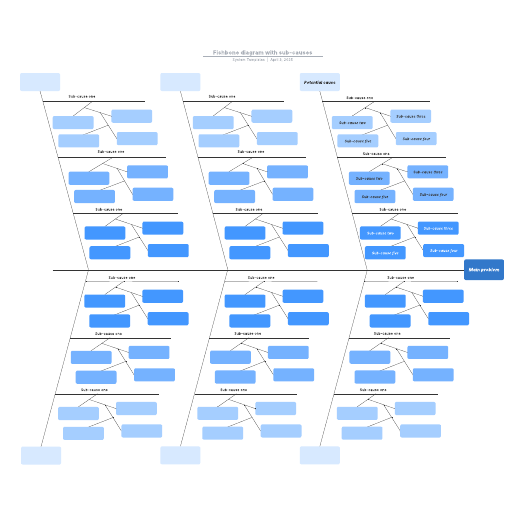
Fishbone diagram with sub-causes
Pricing:
Paid Account
Go to Fishbone diagram with sub-causes template, Pricing: Paid Account
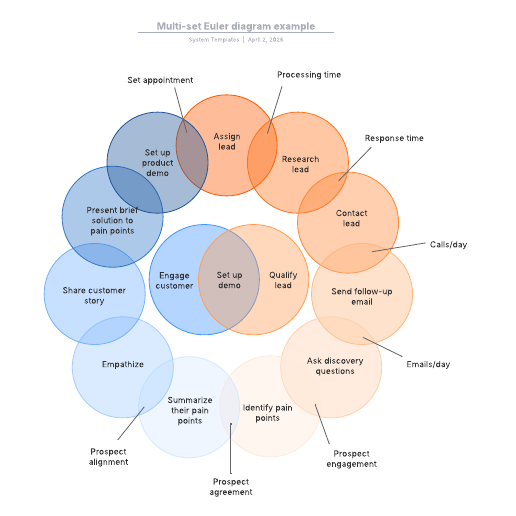
Multi-set Euler diagram example
Pricing:
Paid Account
Go to Multi-set Euler diagram example template, Pricing: Paid Account
How to use mind maps, concept maps, and synthesis templates in Lucid
Focused on a flow of ideas from one main topic, mind maps are used for brainstorming, note-taking, creating outlines, and testing comprehension. Concept maps depict cross-linking between relationships and are typically used in business and academic settings to provide a big-picture overview of a topic. Related methods provide additional ways to synthesize ideas visually. Using mind maps, concept maps, and synthesis templates in Lucid allows hybrid, remote, and in-person teams to brainstorm, organize thoughts, and show relationships between ideas and concepts.
How to get started:
-
Select a template. Lucid offers templates for both free and paid accounts, which are clearly marked. If you already have a Lucid account, you can simply log in and start editing.
-
Sign up for a Free, Individual, or Team account. If you don’t have a Lucid account, you can quickly sign up with your email address. Verify your email, and you’ll be logged in and ready to use your template.
-
Invite collaborators. Share a link to your document with team members.
-
Print, export, or present your document. In addition to being able to print your Lucid document, you can export it using various file formats. You can also build and export a presentation to Google Slides or Microsoft PowerPoint.
Lucid template features allow you to:
-
Create and edit documents. Drag shapes onto the canvas, resize, and easily connect shapes with lines. Customize colors, line styles, fonts, shapes, and create your own shape libraries.
-
Use advanced features. Link shapes to data from Google Sheets, Excel, or CSV files. Add layers to visualizations for multiple levels within your document. Access the document revision history to see changes over time and revert to a previous version if needed.
-
Collaborate in real time. Invite multiple collaborators to create and edit the same document at once. Give real-time feedback with comments and @mentions. Enable collaborator colors to see who contributed what.