
Key takeaways
-
A Scrum team is typically made up of one product owner, one Scrum master, and anywhere from two to eight developers.
-
No matter the role, collaboration and alignment are essential for Scrum teams to find success.
-
Scrum teams work well when they’re working on products that are complex or are expected to have changing requirements.
Teamwork is hard, and this can be especially true in a business setting. Each team member has their own set of ideals, years of experience, and way of thinking. Completing a business initiative, whatever that may be, requires compromise, collaboration, and a whole lot of coordination.
Scrum is an Agile framework that helps teams align and establish a successful way of working, distributing accountability across the entire team as everyone delivers value for customers. Each team member assumes one of three Scrum roles: product owner, Scrum master, or developer.
In this post, we’ll cover the roles and the responsibilities of Scrum teams. You’ll also learn when to use a Scrum team and how to pick the right people for each role.
What is Scrum?
The Scrum framework is an Agile software development framework. Scrum is a way of organizing, approaching, and monitoring the completion of work. Although the Scrum method was originally created for software development, it can be adapted for all kinds of teams and tasks.
The principles of Scrum are meant to help teams deliver the best possible product to customers in an efficient, iterative manner. Scrum teams approach work in sprints that last from two to four weeks, with the goal of having a working iteration of the product at the end of each sprint. With each subsequent sprint, the product is developed and improves.
Scrum teams have daily standup meetings to monitor their progress, discuss next steps, and debrief. Additional meetings, such as sprint planning and sprint reviews, are held at the beginning and end of each sprint to help things run smoothly and identify areas of improvement.
What is a Scrum team?
A Scrum team is a team operating within the Scrum framework that typically has four to ten members. Scrum team members all assume a role within the team—either Scrum master, product owner, or as part of the development team. (More on these individual Agile team roles later!)
Collaboration plays a fundamental part in an Agile Scrum team’s day-to-day operations. There’s no room for big egos with a Scrum team structure. Team members cross-train one another to help the entire team gain the necessary expertise to complete tasks, which eliminates bottlenecks and spreads accountability across the team.
Scrum roles and responsibilities
As mentioned above, each member of a Scrum team assumes a role within the team, and each Scrum team role comes with its own set of responsibilities. We’ve listed the three Scrum roles and the responsibilities of each below.
Product owner
To successfully use the Scrum framework, your team has to be in tune with the customer’s product requirements. This requires near-constant communication with the customer. That being said, it’s not really feasible for your entire development team to sit down with the customer on a regular basis.
Enter the product owner, expert on all things product-related.
The product owner is the point of contact between a Scrum team and the customer, and there is only one product owner per Scrum team. They should know the ins and outs of the product, the customer’s requirements, and the tasks necessary to deliver those requirements.
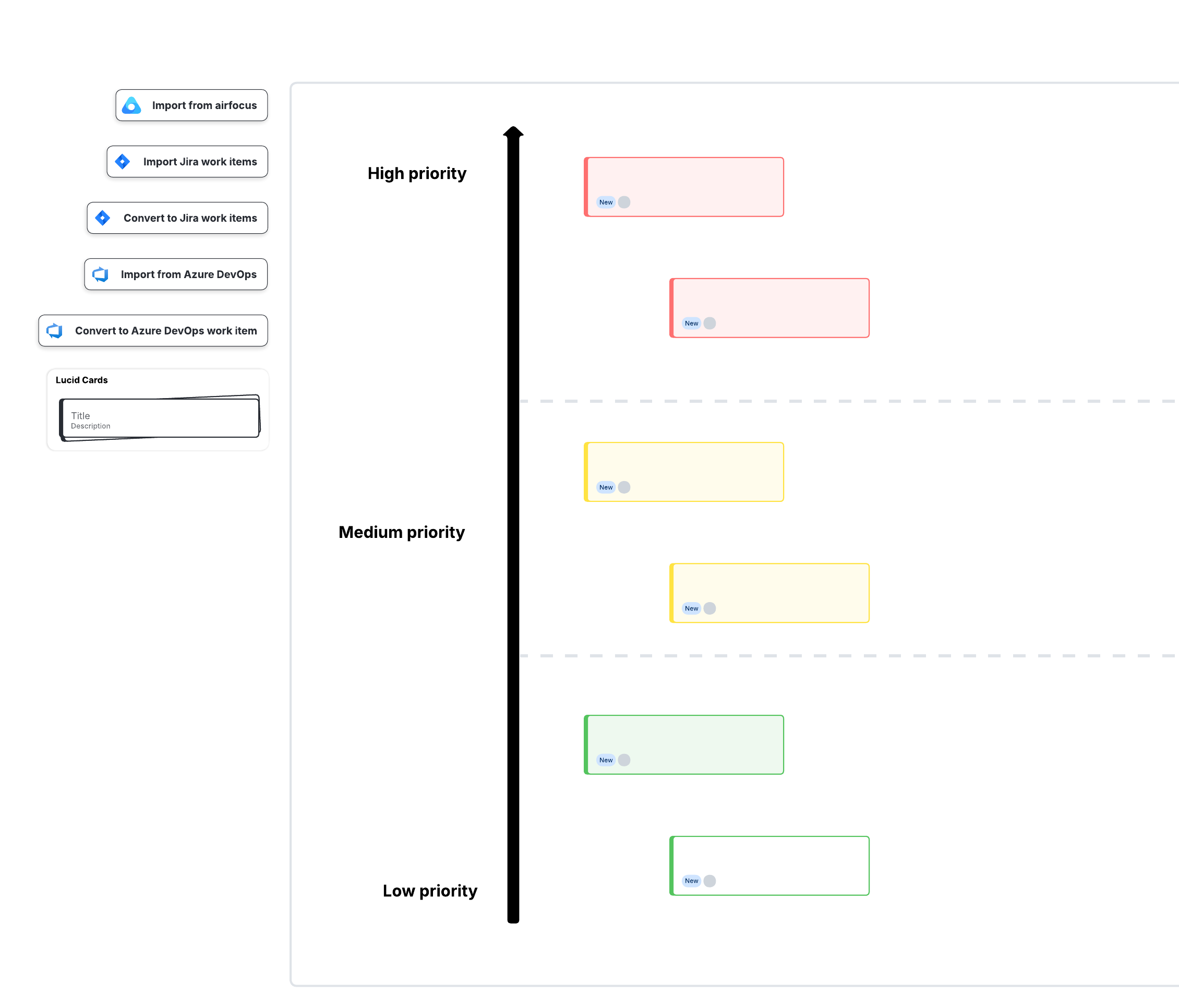
The product owner is also responsible for maintaining and prioritizing the Scrum team’s product backlog, which is a working list of tasks to be completed.
Scrum master
Of the three Scrum roles, the Scrum master’s role and responsibilities are the most frequently misunderstood. This is because people often think of the Scrum master as a project manager, and this simply isn’t the case.
So what is a Scrum master? Rather than acting as an authoritative manager, the Scrum master is a facilitator. They are in charge of ensuring that the team understands their roles and what’s expected. The Scrum framework also involves a lot of meetings, and the Scrum master schedules and moderates those meetings.
Each sprint, the Scrum master should be thinking about a number of questions, such as:
-
How well are we implementing the Scrum framework?
-
How are things going right?
-
How are things going wrong?
-
How can we improve?
At the end of each sprint, they discuss these questions with the Scrum team during sprint retrospective meetings.

Development team
While there’s only one product owner and one Scrum master, the Scrum development team includes anywhere from two to eight individuals. The development team is made up of designers and developers who are responsible for actually building the product.
An effective Scrum development team has a wide skill set so they can overcome any roadblock that comes their way.
When to use a Scrum team structure
Agile Scrum teams can work on different types of software development, including full software packages, client work, or internal work. While Scrum is a flexible and valuable approach for many types of work, there are a few ways to recognize when it is best applied.
When requirements are not clearly defined
Sometimes clients have a general vision for their product but lack clear requirements. This can make it difficult to estimate the scope of time and costs necessary for fixed-cost projects or more traditional ways of working.
The Scrum framework is built to adapt to evolving requirements, making it the natural choice for projects with undefined scopes.
When changes are expected during development
Similarly, Scrum works especially well for products that anticipate changes during development. This can happen even when requirements are clearly defined from the outset.
For example, changes in the business environment or evolving technologies can affect product requirements mid-project. Scrum’s agile structure makes it easy to pivot to accommodate changes throughout the development process.
When the product is complex
Complex problems are difficult to address effectively and efficiently in traditional development methodologies. The more complex the product, the more issues that can arise as you go.
Scrum is well-equipped to handle complex projects because it breaks them down iteratively and incrementally. Rather than trying to anticipate all the requirements in one plan at the beginning of the product, Scrum teams work on it piece by piece, adapting as they learn.
Picking the right people for your Scrum team
To build a successful Scrum team, you need to bring together the right people. But what do you look for?
A good Scrum team is:
-
Collectively accountable for the work
-
Autonomous and self-organizing
-
Cross-functional and balanced
Additionally, look for a product owner who is fully available to the team. They must be completely involved to ensure the team has the right priorities and guiding requirements along the way.
Ensuring the success of Scrum
To successfully use the Scrum framework, your team needs to prioritize three things: collaboration, communication, and alignment. In other words, everyone—from the Scrum team to the customer and other stakeholders—needs to be on the same page.
Whether it’s for daily standups or sprint planning, using visuals to facilitate your Scrum meetings helps keep everyone in the loop. Lucid’s collaborative visual workspace allows team members to view information and communicate effectively. With Lucid, you can help your team perform Scrum development team roles and responsibilities and stay in alignment. Check out Lucid’s templates for Scrum teams to boost collaboration and agility as you deliver on customer needs.

Get Agile templates for your Scrum team
Browse customizable templates for Scrum team standups, retrospectives, and more.
Go now