Key takeaways:
-
A Gemba Walk is a practice in which leaders go to the actual place where work is performed to observe processes and identify areas of improvement.
-
Core concepts of a Gemba Walk include “go and see,” ask why, and show respect.
-
Virtual Gemba Walks are possible by following a common step-by-step process that involves preparation ahead of time and detailed observations.
Many teams strive for continuous improvement, but how do leaders determine exactly what parts of the workflow need improvement? And how in touch are they with their employees' day-to-day realities?
According to ZipRecruiter’s 2025 Q2 Breakroom Workplace Index, only 23% of frontline workers believe that their senior leadership understands what is actually going on in the workplace, highlighting a major disconnect between management and the daily reality for employees.
What can leadership do to connect more with their employees and take steps toward actionable improvements that truly help? Enter Gemba Walks. When leaders go on Gemba Walks, they not only identify inefficiencies, but they also collaborate closely with the people who are doing the actual work to keep the business running.
Read on to learn more about what Gemba Walks are and the key steps you can take to complete a successful Gemba Walk.
What is a Gemba Walk?
A Gemba Walk is a central practice of Lean management in which leaders go to the actual place where work is performed to observe processes and identify areas of improvement. The term “Gemba” is Japanese, meaning “the real place.” Essentially, during a Gemba Walk, leaders visit the frontline workplace.
Gemba Walks were originally developed as an aspect of Lean manufacturing, with the idea that the best opportunities for process improvement came by visiting the production line and observing the place where work occurred. Only by completing a Gemba Walk did managers see work processes for themselves and, together with employees, identify the best solutions for improvement.
Goal of a Gemba Walk
The goal of a Gemba Walk isn’t just to become familiar with work processes and pinpoint opportunities to make the business better; it’s also to connect with employees. A successful Gemba Walk includes:
-
Observations that are clearly tied to strategic business goals
-
Consistent and respectful evaluation
-
Comparison between the current state and ideal future state
-
Documentation of actionable insights
When leaders complete Gemba walks, they should come away with ideas for next steps that they can share with their teams for continuous improvement.
Benefits of a Gemba Walk
The main benefits of a Gemba Walk are that leaders gain insight and increase connection with employees who are performing frontline work. The key is to focus on the process of how work is done and uncover ways to improve so teams stay empowered and engaged.
By directly observing teams, leadership is better able to:
-
Identify the root cause of problems
-
Foster a culture of collaboration
-
Strengthen communication
-
Drive meaningful change
Key aspects of a Gemba Walk
Before leaders conduct their own Gemba Walk, there are a few key factors that they should be aware of. The core concepts of Gemba Walks are go and see, ask why, and show respect.
Go and see: The main objective of a Gemba Walk is for leaders to physically go and walk around the areas where the business’s primary work is done, whether that’s the shop floor, the production line, or the office. During their walks, leaders shouldn’t just observe workers; they should also actively participate in identifying what could be changed to enhance efficiency.
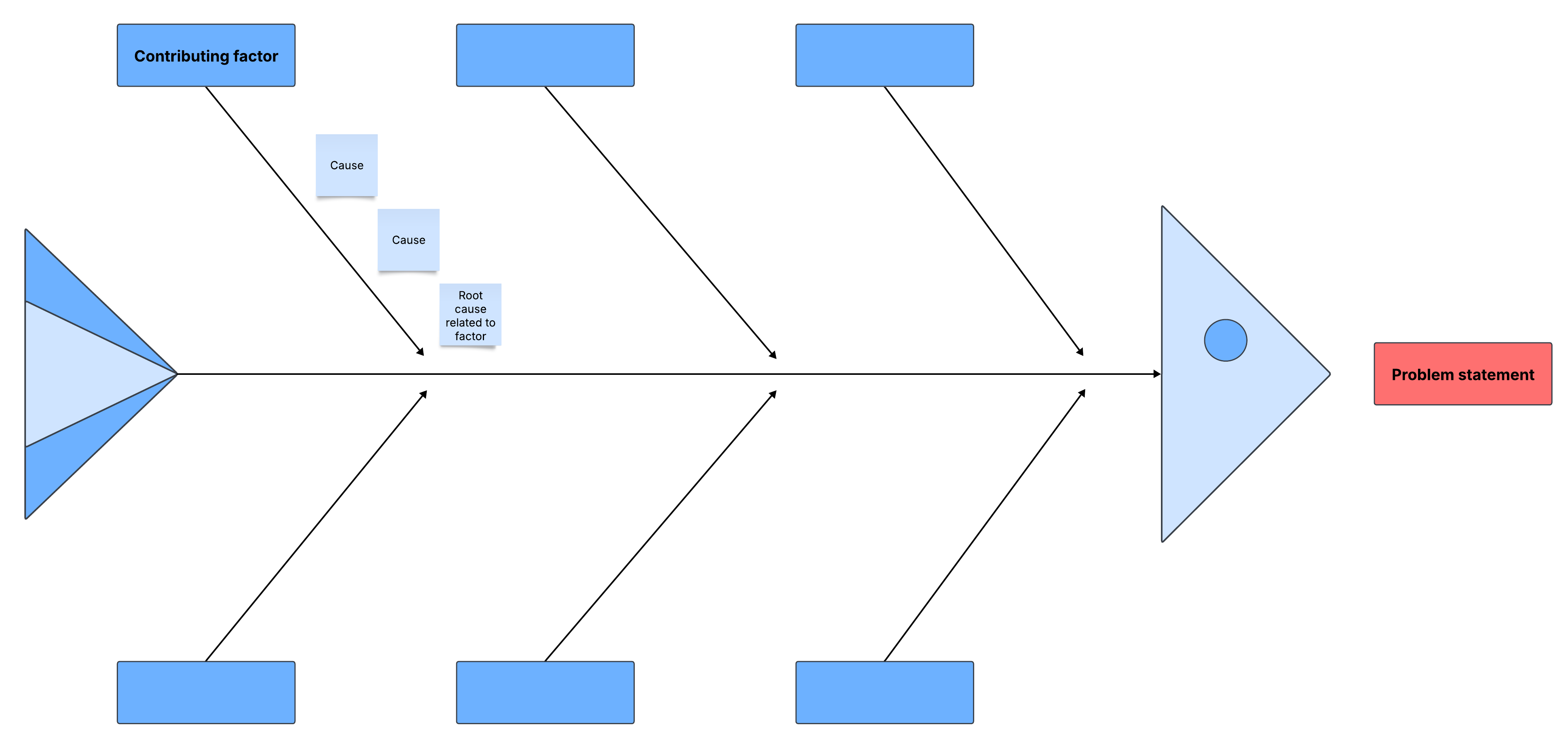
Ask why: A mark of good leadership is active listening. As leaders perform their Gemba Walk, they should constantly be asking questions and communicating with the workers they interact with. Leaders can use different techniques like a fishbone diagram to collaborate with employees and identify the root cause of problems.
Show respect: A Gemba Walk is not an opportunity for leaders to point fingers or make workers feel as if they’re being watched. Employees should be treated with respect and trust the entire time. Leaders aren’t judging during Gemba Walks; they are collaborating with frontline team members and identifying problems together.
Gemba Walk process
A Gemba Walk looks different for every company and every leader, but these are the general steps you can follow to complete a successful Gemba Walk:
-
Plan beforehand so your walk has a specific focus. Choose a theme such as safety or efficiency, and prepare questions to ask.
-
Let your team know when you’re planning a Gemba Walk so employees are aware ahead of time. Emphasize that this isn’t an evaluation but an exercise with a specific purpose that supports larger business goals.
-
Focus on the process rather than the people. Refrain from critiquing or analyzing employees during your walk. Instead, analyze workflows to identify bottlenecks or inefficiencies.
-
Follow the value stream. Identify the business’s core workflows and follow the flow of value from the very beginning to the end. This practice allows leaders to identify waste or inefficiencies more effectively.
-
Take detailed notes and refrain from making verbal suggestions or feedback. Gemba Walks are for observations and learning. Jot down as many details as you can and analyze your findings later on.
-
Bring a second observer with you for a fresh perspective. Having an objective observer along for the walk often leads to more valuable insight that one person wouldn’t have thought of on their own.
-
Review. After the walk is complete, review your notes and observations. Identify possible improvements or changes and share these with your team during a post-walk meeting. Since Gemba Walks are collaborative, make sure employees have their own opportunity to provide feedback or suggestions.
How to do a virtual Gemba Walk
In today’s working world, it’s not always possible to do in-person Gemba Walks. For leaders whose teams are hybrid or fully remote, you might not get the chance to physically “go and see” with your employees.
Luckily, it is possible to do virtual Gemba Walks. These virtual walks happen over video calls to observe processes and follow the same steps. Virtual shadowing is a popular way for leaders to ask questions and observe how work is done on the front lines. Remote walk-throughs can also be recorded, making it easier to retain information and establish a plan for long-term improvement.
What to do after a Gemba Walk
Gemba Walks aren’t actually done when the walk itself ends. To have a successful Gemba Walk and close the loop, there should be a post-walk analysis, and the results should be shared with employees.
After a Gemba Walk, leaders should:
-
Review their findings with frontline employees and other leaders
-
Follow up with teams and share feedback
-
Determine action steps for process improvement
-
Document any changes and update work processes accordingly
To guide improvements, you can use the Plan-Do-Check-Act (PDCA) model. This model helps companies establish a system of continuous improvement. Since the PDCA model is a loop rather than an end-to-end process, leaders can pair the model with their Gemba Walks for ongoing learning and growth.
Use Lucid for your Gemba Walk
If you’re ready to take a Gemba Walk, you have everything you need with Lucid. In Lucidchart, you can visualize work processes, identify bottlenecks, and make a plan for improvements. You can even use Lucid for taking notes during your walk and share your Lucid board with your team so they can easily see feedback and recommendations for improvement. To connect with employees and optimize process improvement, use Lucid for your next Gemba Walk.

Process map templates and examples
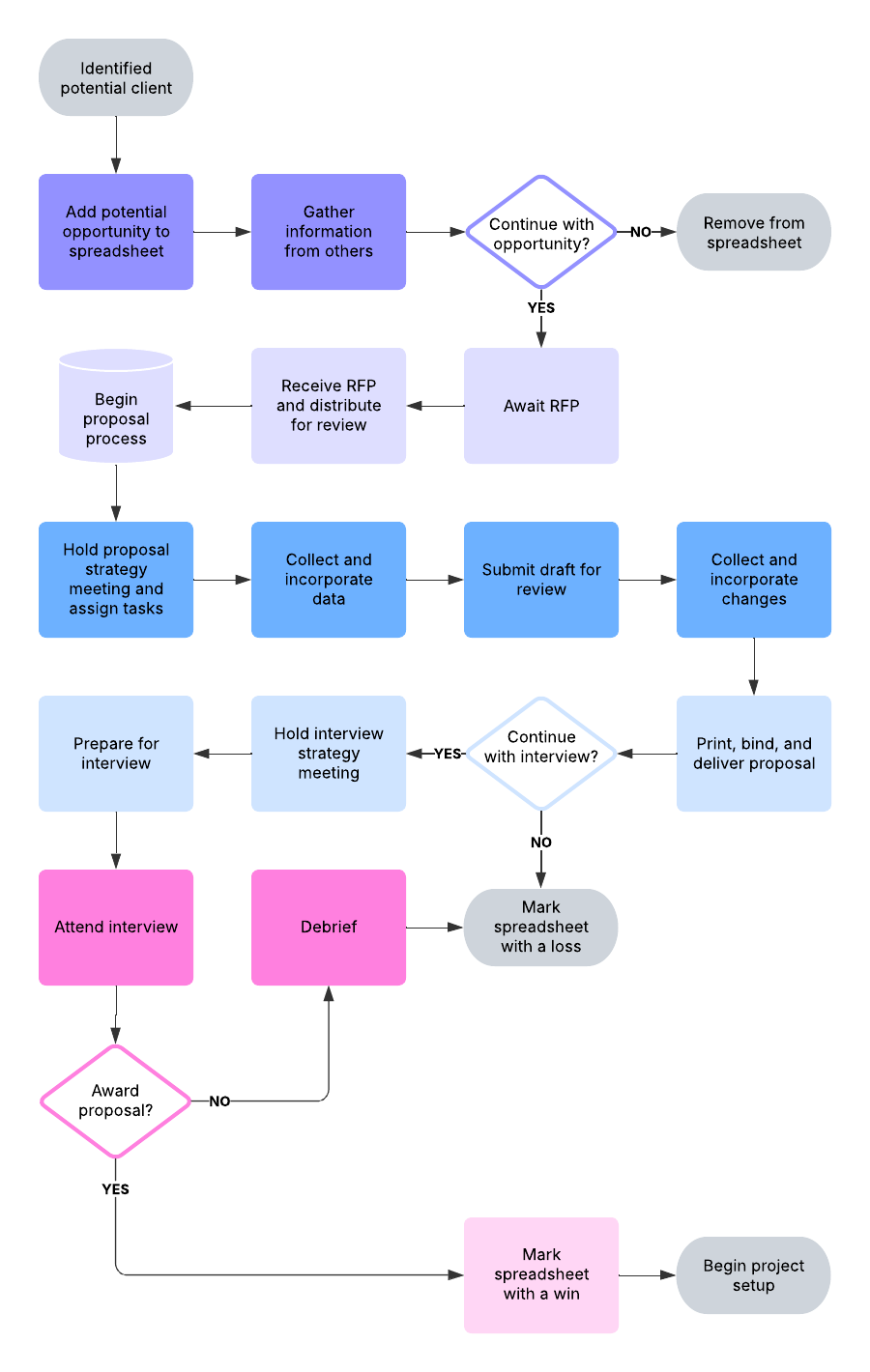
To prepare for your Gemba Walk, map out business processes with these customizable templates.
Learn more