Key takeaways
-
A proof of concept (POC) is an effective way to validate an idea before utilizing resources in development. It helps teams discover pain points of customers and iterate on a product or concept proactively.
-
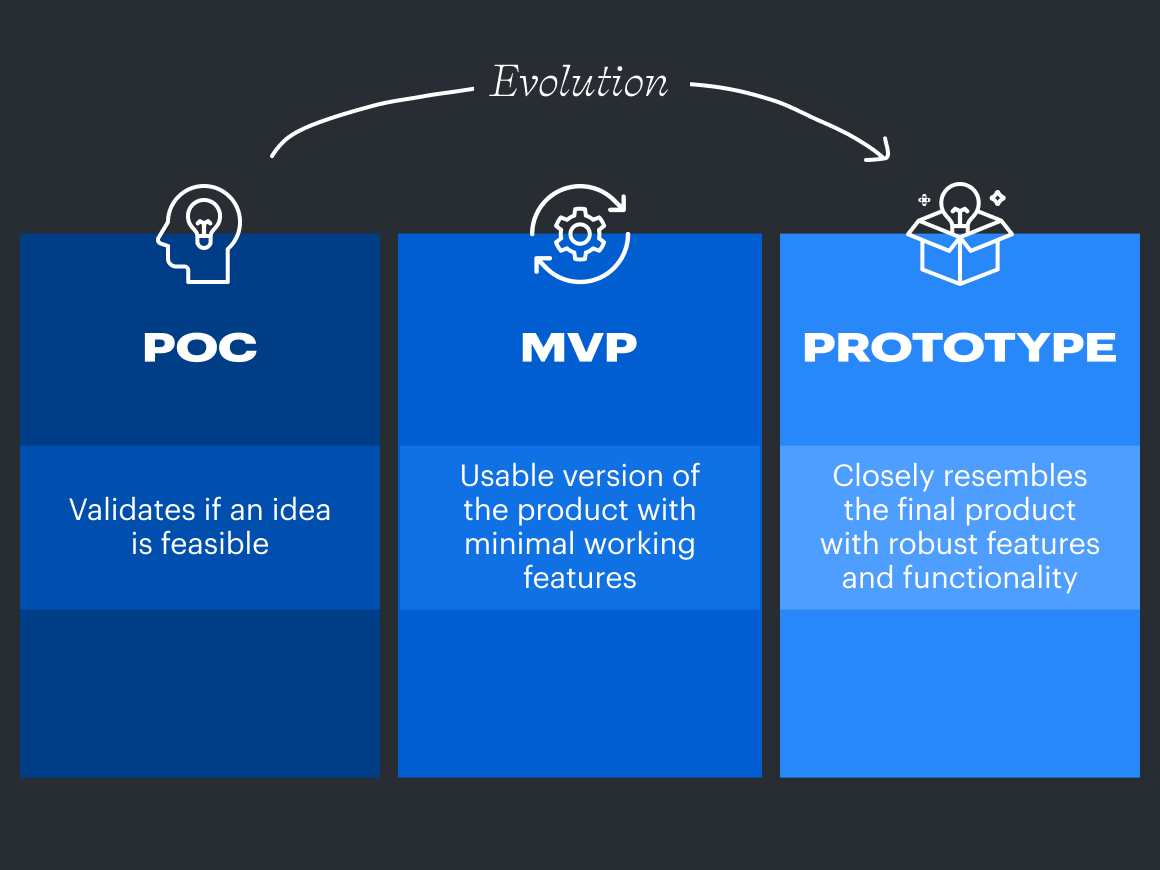
POC vs MVP vs prototype: A POC asks if a concept will work, whereas a minimum viable product (MVP) starts to ask how it will work. A prototype is even more detailed, including some features and functionalities.
-
Lucid’s canvas equips your teams with purpose-built features and templates to design your POC with ease, maintain alignment, and communicate clearly with stakeholders.
Every product you use daily begins with an idea.
But simply having an idea usually isn’t enough. Transforming a concept into reality requires lots of planning and hard work. And before you jump in and develop a product or launch a business, you need to know if the idea addresses a need in the market, if its development is feasible, and if customers are interested.
Creating a proof of concept (POC) helps you answer those questions early on so you don’t waste resources developing the wrong product.
In this article, we will explain what a proof of concept is, how to design one, and additional methods for developing ideas.
What is proof of concept?
The primary purpose of a POC is to demonstrate that your idea is feasible and that it has a practical application in the real world. The goal is to communicate to stakeholders that your concept is viable, thereby gaining approval and funding to move forward with development.
Creating a POC is crucial to project management for the following reasons:
- It tests the feasibility of a concept
- It identifies and invites you to address potential technical challenges, risks, and roadblocks early in the process for viability
- It demonstrates the feasibility of your idea to align stakeholders, team members, management, and potential investors
- It helps you optimize resource allocation
POC vs MVP
A POC can be described or illustrated in a document, a slide presentation, or a tangible demonstration of core functionality. It may sound similar to a prototype or minimum viable product (MVP), but the three have distinct differences:
Proof of concept vs MVP
A POC demonstrates that the concept can work, whereas the MVP is a functioning version of the product that can be distributed to customers. It should have sufficient features and functionality to enable customers to perform real-world tasks, allowing them to understand how the final product will work. This allows them to evaluate the product and provide feedback on its design and functionality.
POC vs prototype
On the other hand, a prototype more closely resembles what the final product might look like. It should show realistic functions, features, designs, and user experience. Instead of answering the question, “Will this product work?” it answers the question, “What will the product look like, and how will it work?”
It isn’t a matter of choosing POC vs MVP vs prototype, but rather understanding how they build off of each other, starting with a solid proof of concept.
How to design a proof of concept
Regardless of your industry, you can follow these steps to design a comprehensive proof of concept.
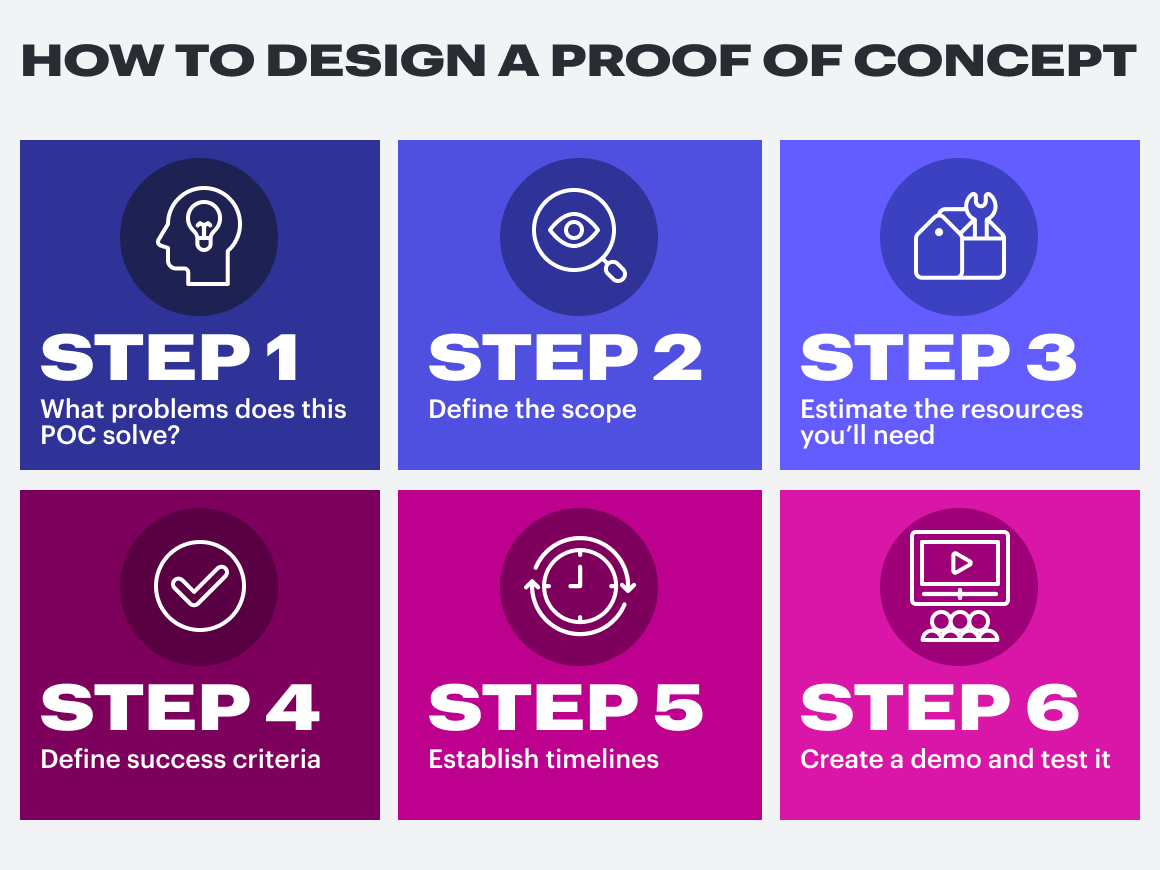
Step 1: What problem does this POC solve?
You must first demonstrate that your idea addresses a market need. As exciting as an idea may be, you wouldn’t want to develop a product if no one would use it.
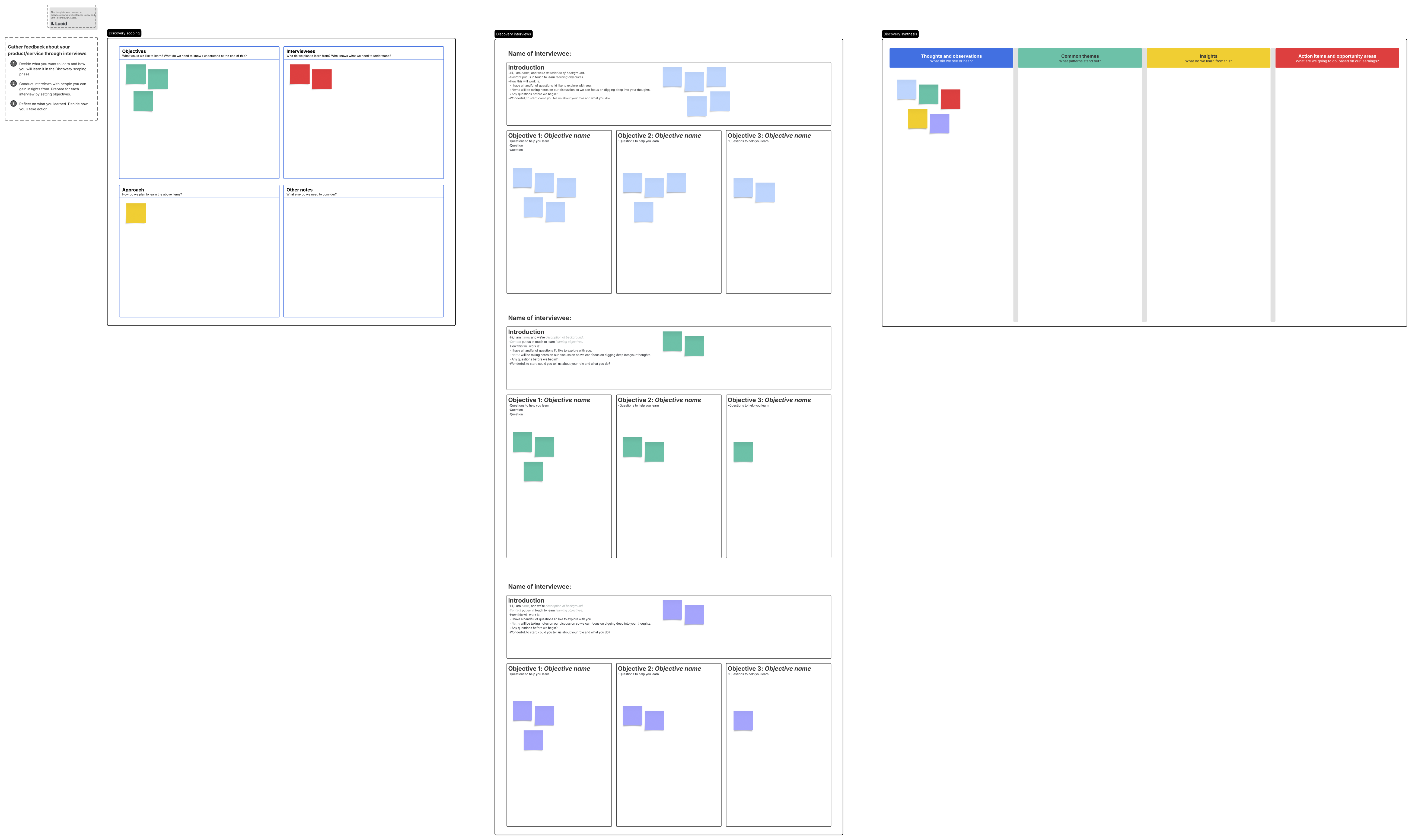
Start by identifying potential customers and learn what their pain points are. Then, determine how your idea will solve their problems and meet their needs. Engage directly with customers through interviews and surveys to get their feedback, opens in a new tab.
Step 2: Define the scope
To reduce complexity and make the POC more manageable, identify the key features and functions that need validation and demonstration. Determine the questions you want this POC to answer, and focus on the parts that will best verify your concept’s feasibility and potential value.
Step 3: Estimate the resources you’ll need
Create a list of the resources you think you’ll need to complete the POC project. Consider employees, equipment, materials, and more.
Step 4: Define success criteria
How will you measure success or failure?
The feedback you get from customers in step one is a good place to start. If your POC demonstration satisfies their expectations and addresses their pain points, you can conclude that it is a success, and you can move forward with development.
Step 5: Establish timelines
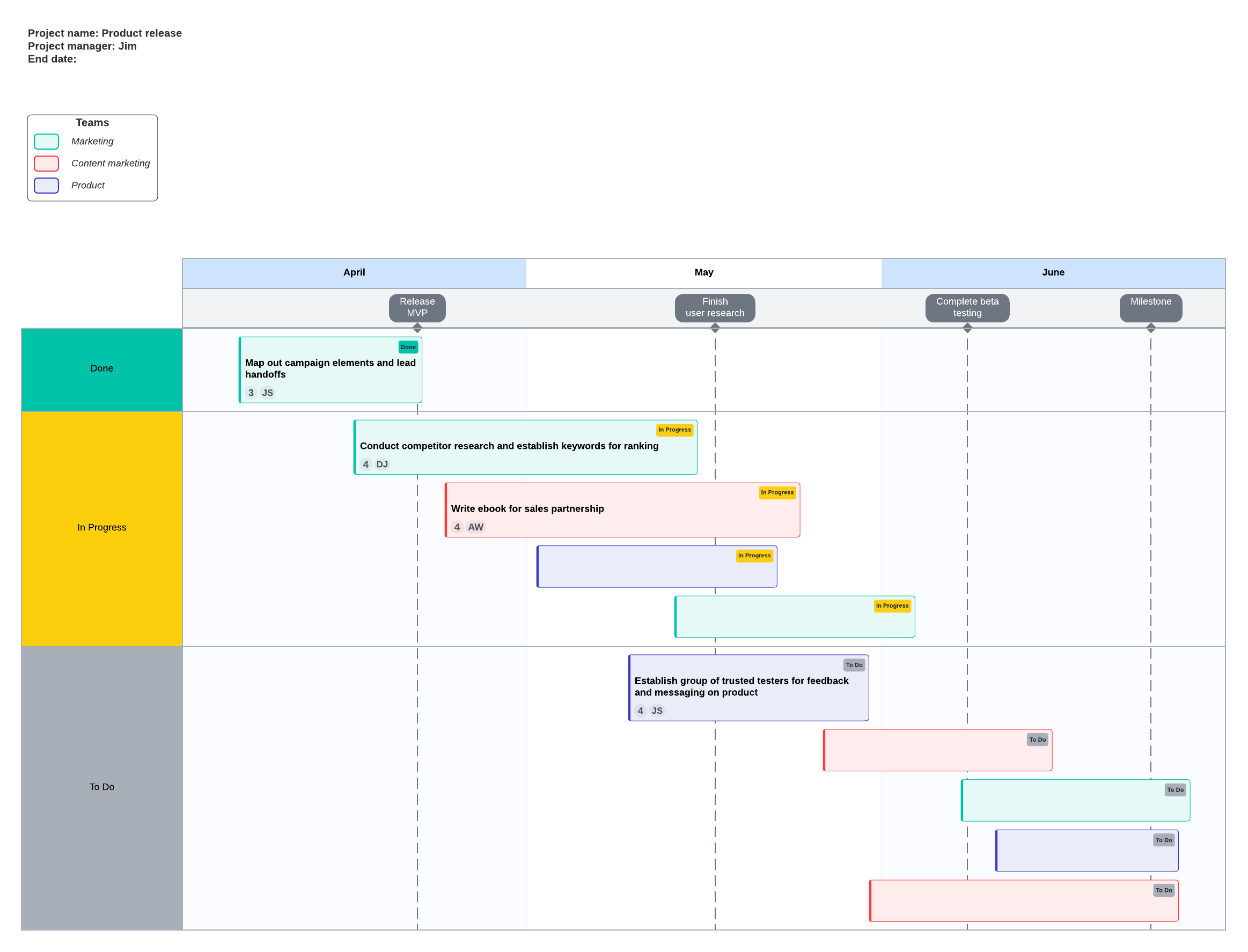
A POC is its own project. Its success or failure helps you determine if and how you should proceed with developing your idea. As with any project, you must establish timelines and milestones and estimate the effort required to complete your POC. Consider the resources assigned to each task in the POC and the amount of time they’ll need to complete the research, documentation, presentations, demonstrations, and so on.
Step 6: Create a demo and test it
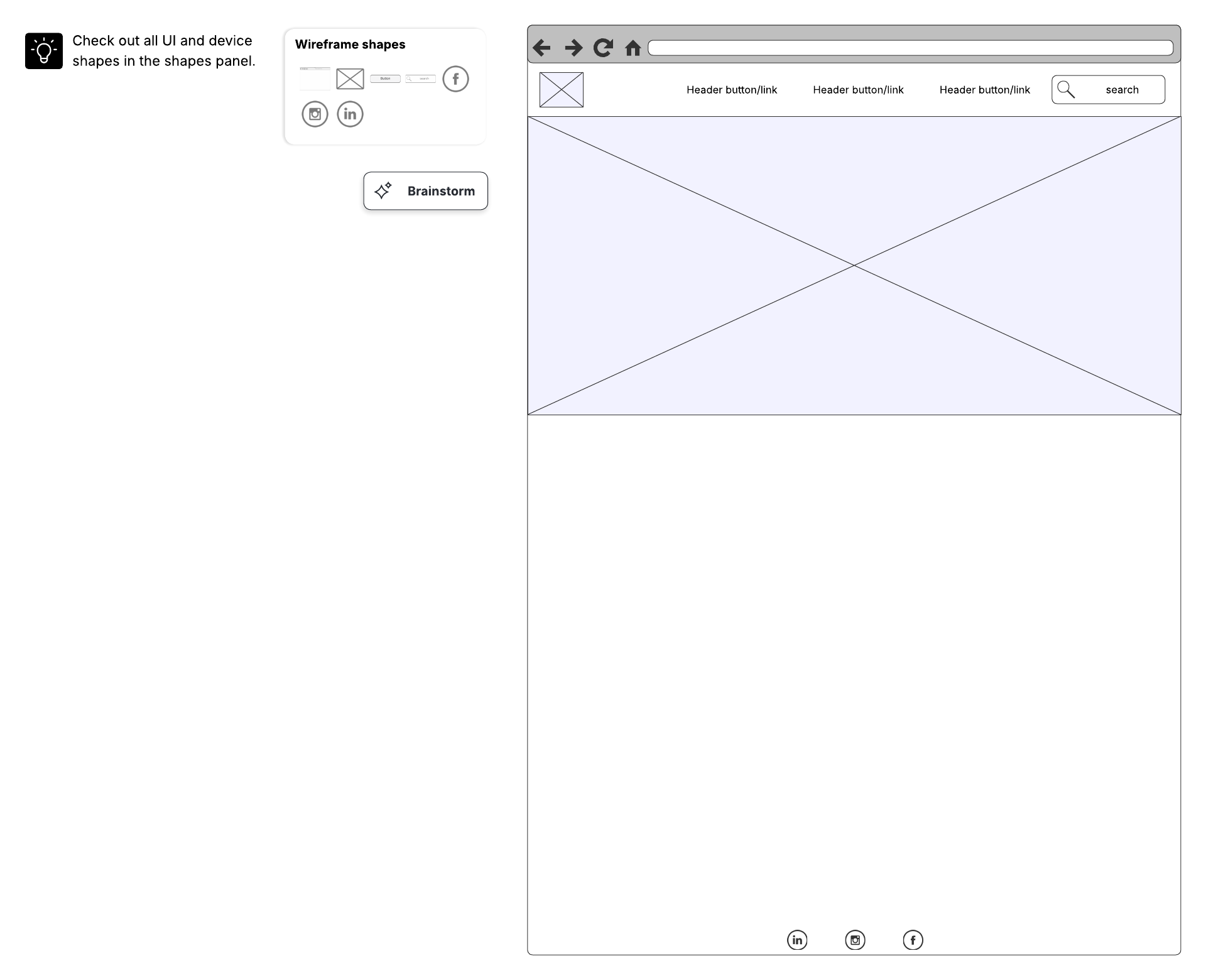
Put together a demonstration of the core features and functions to prove that your concept can work. It doesn’t need to be a polished or functioning model or prototype. A simple wireframe is often enough to showcase a user interface and key functionality.
Step 7: Gather feedback
Once you have demonstrated your POC, ask potential customers and stakeholders for feedback. This will help you determine if you are creating the right product to meet their needs. It also allows you to identify and address limitations, potential problems, and areas that need improvement.
Step 8: Evaluate and iterate
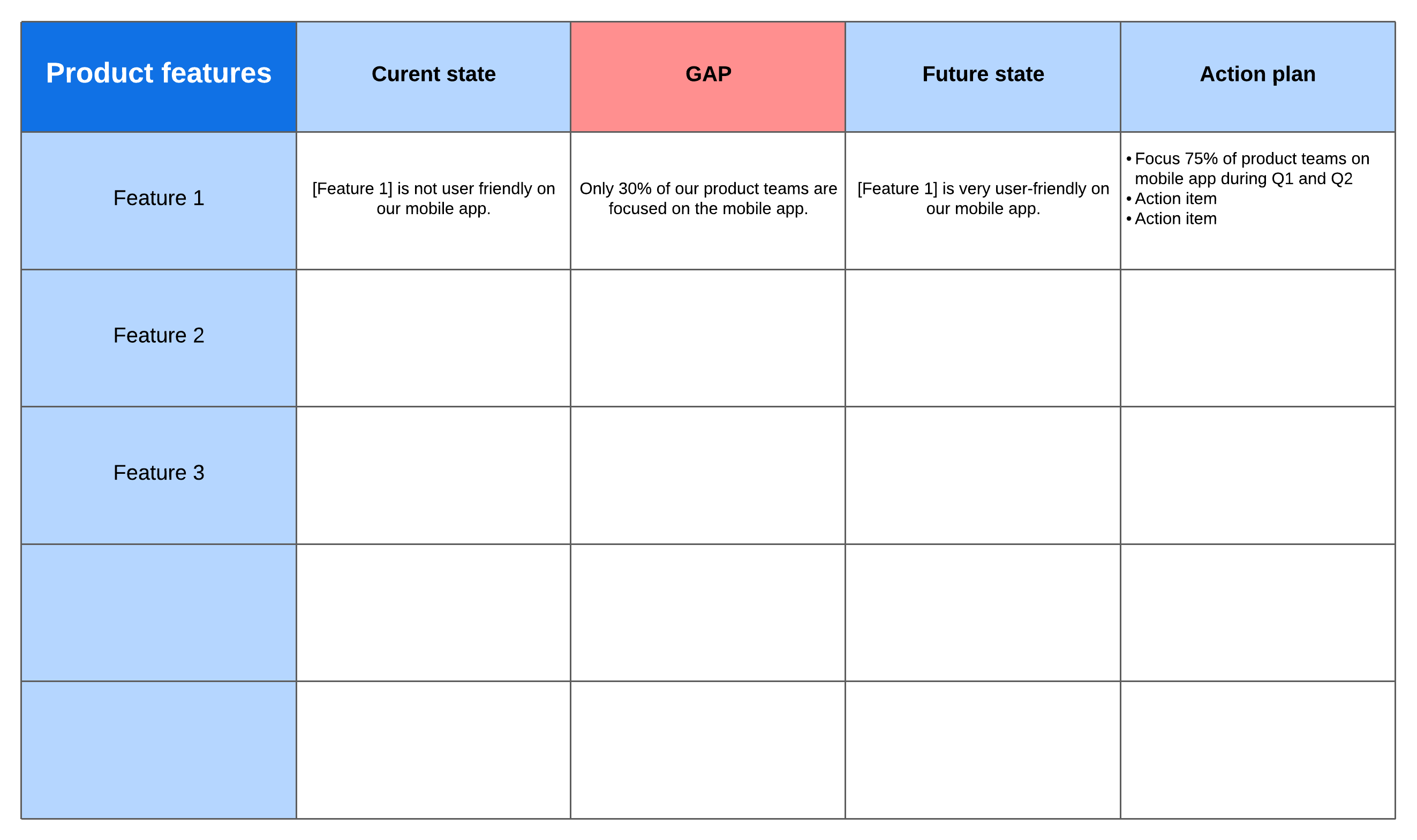
Decide whether you want to develop a prototype vs pilot based on the feedback you gathered. A prototype is typically a functional simulation. It gives the user a better idea of how the product works and lets them test the usability and flow of its design. A pilot goes beyond simulation and tests the product in the real world before fully launching it.
If your customers like the prototype, you’re on the right track and can invest time and resources to develop the final product. If you find that customers aren’t interested, you have a few options: choose not to proceed with development, table it for a later time, or go back to brainstorming new iterations.
Step 9: Create a product roadmap
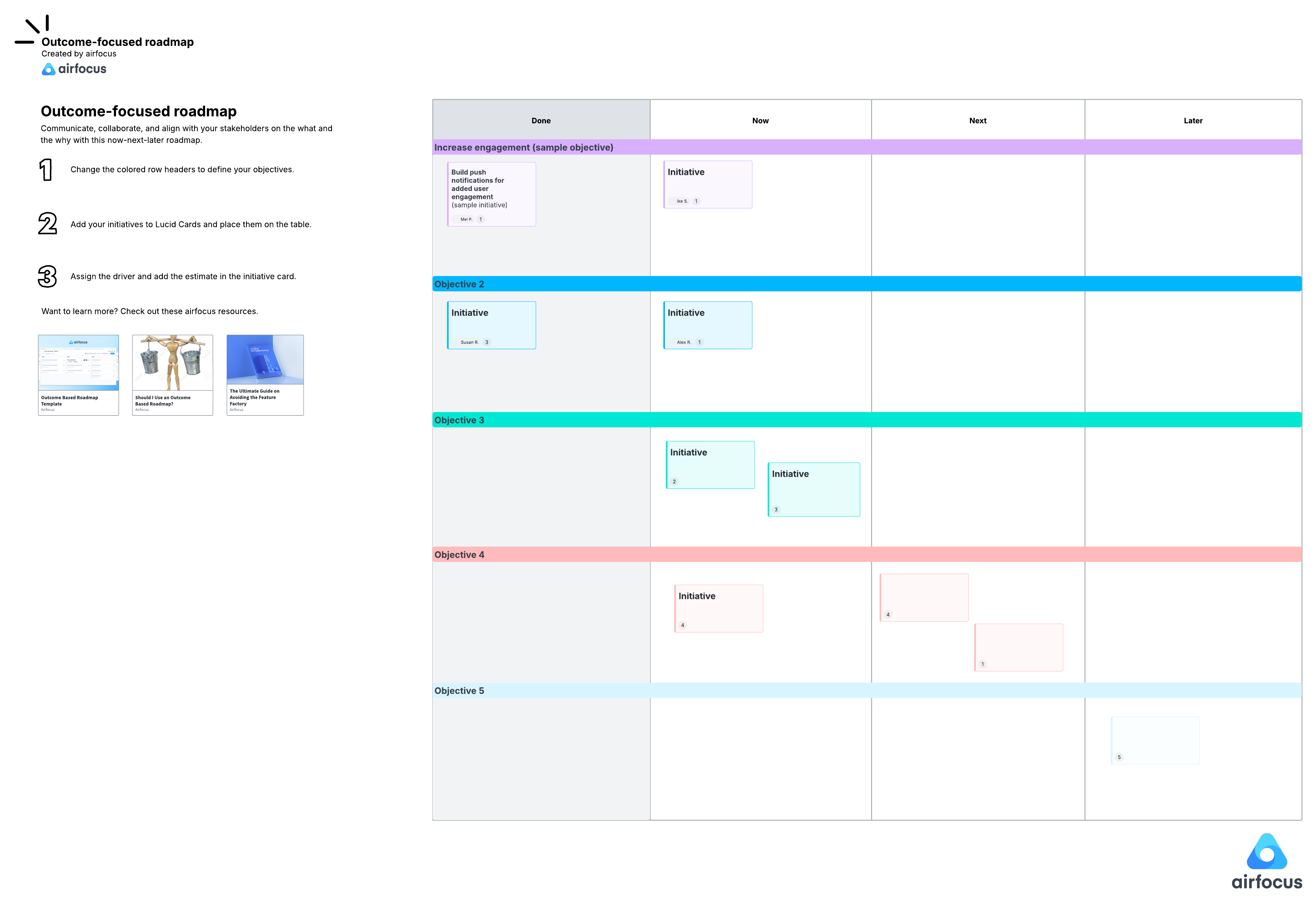
A product roadmap is a shared source of truth, opens in a new tab that communicates your long-term vision for the product to teams and stakeholders. Roadmaps describe how a product will be developed and changed over time.
If you’re roadmapping in Lucid, we recommend leveraging airfocus, the AI-powered product management platform. Using Lucid and airfocus together, you can fuse flexibility and structure to streamline roadmapping, accelerate work, and create a single source of truth for your teams to build with confidence.
What are the benefits of creating a proof of concept?
The main benefit of a proof of concept is that it helps you to prove whether your idea is feasible and viable. Other benefits include:
- Validating ideas quickly: Validating your ideas early in the process helps you know if you are on the right track before investing too much time and money in development.
- Building confidence: Once you’ve validated your idea and demonstrated its feasibility, investors and stakeholders will have the confidence to support the development of your product.
- Discovering pain points: Identifying customer pain points to develop a product that effectively solves their problems.
- Attracting team talent: Developing a solid product that generates a lot of interest from potential customers can help you attract top talent. And if your development teams are successful, it’s more likely that they’ll stay with your company.
- Creating alignment: A POC helps everyone align on the project’s long-term goals. This ensures that the project stays on track and increases its chance of success.
By building your proof of concept in Lucid, your team will have access to dozens of purpose-built capabilities that strengthen collaboration, improve alignment, and accelerate productivity.
Ready to build your own POC? Use our free proof of concept template to jump-start your process.
Open template