Flowchart software
Lucidchart offers intuitive, intelligent flowchart software to help you diagram with ease. No matter what you’re diagramming, we have the tools you need. Use Lucidchart to make your flowchart quickly and without fuss and to make it look polished and professional.


By registering, you agree to our Terms of Service and you acknowledge that you have read and understand our Privacy Policy.
Get started with our AI diagram generator
 , opens in a new tab
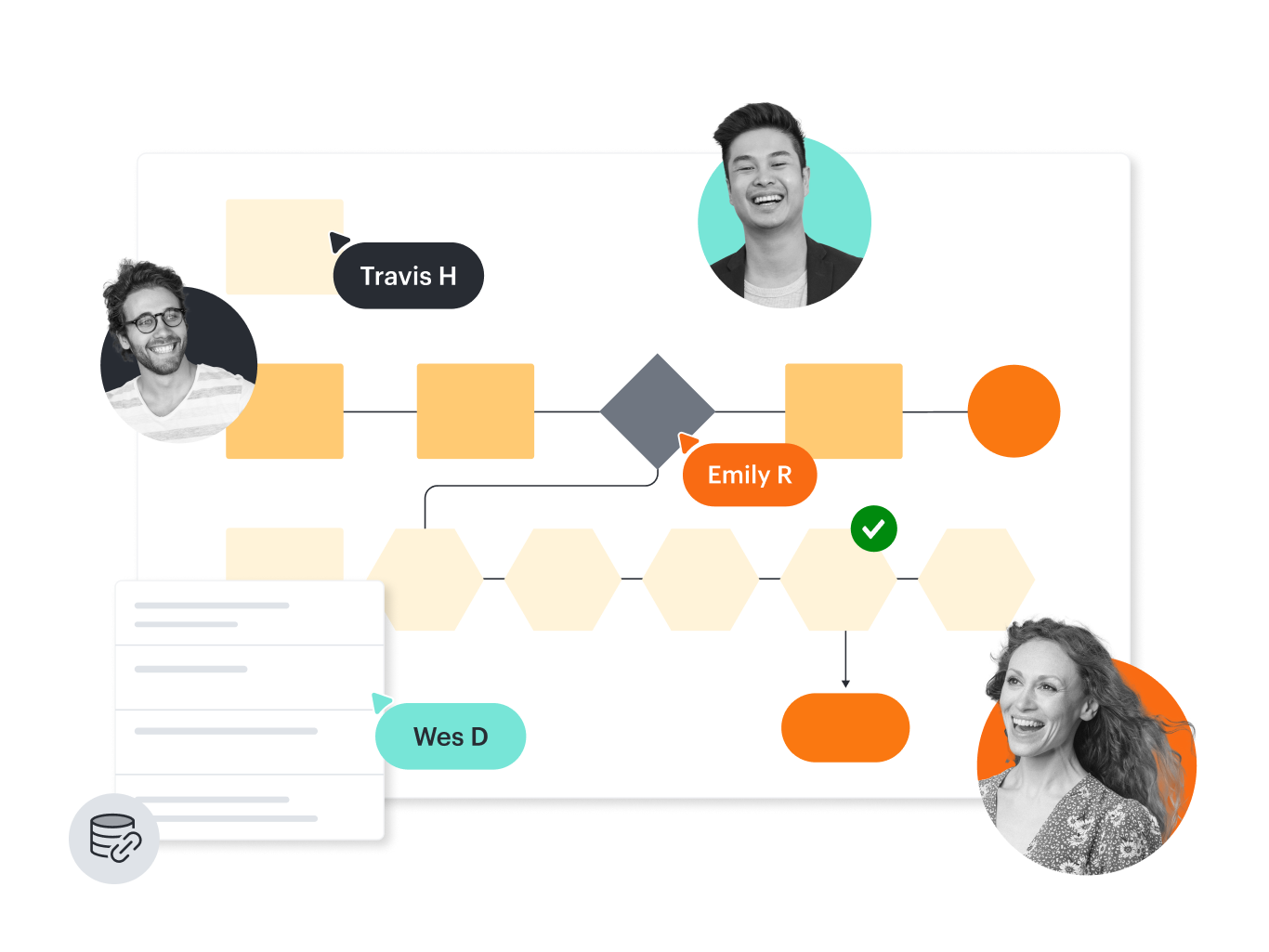
Make free flowcharts fast
Our intuitive, free flowchart software to make flowcharts quickly.
Visualize processes to improve efficiency

Get everyone on the same page

Enjoy Lucidchart’s advanced features

Collaborate with your team

Work from anywhere

Ideate with a template
Lucidchart feature highlights
Real-time collaboration
Real-time collaboration
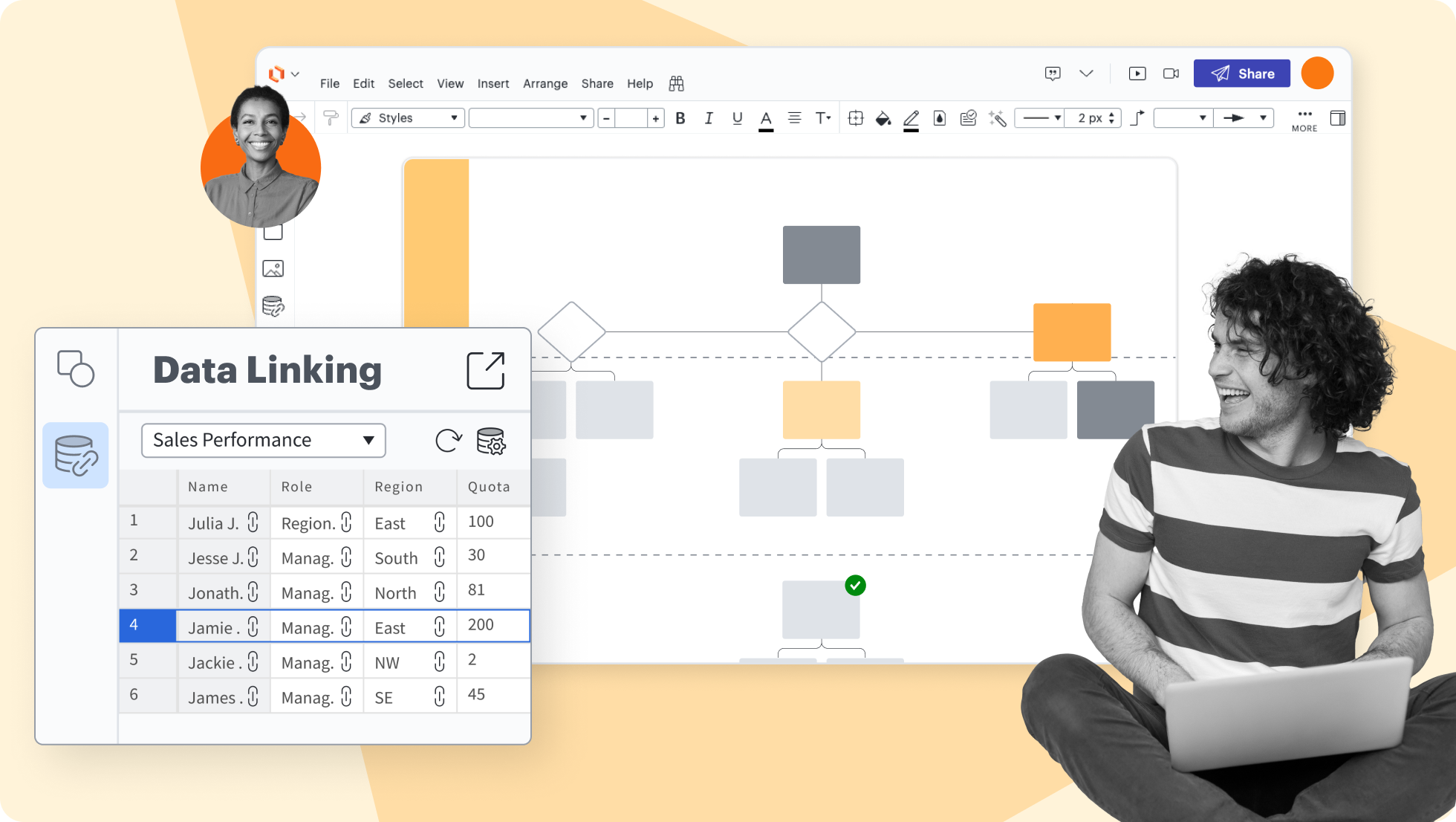
Data linking
Data linking
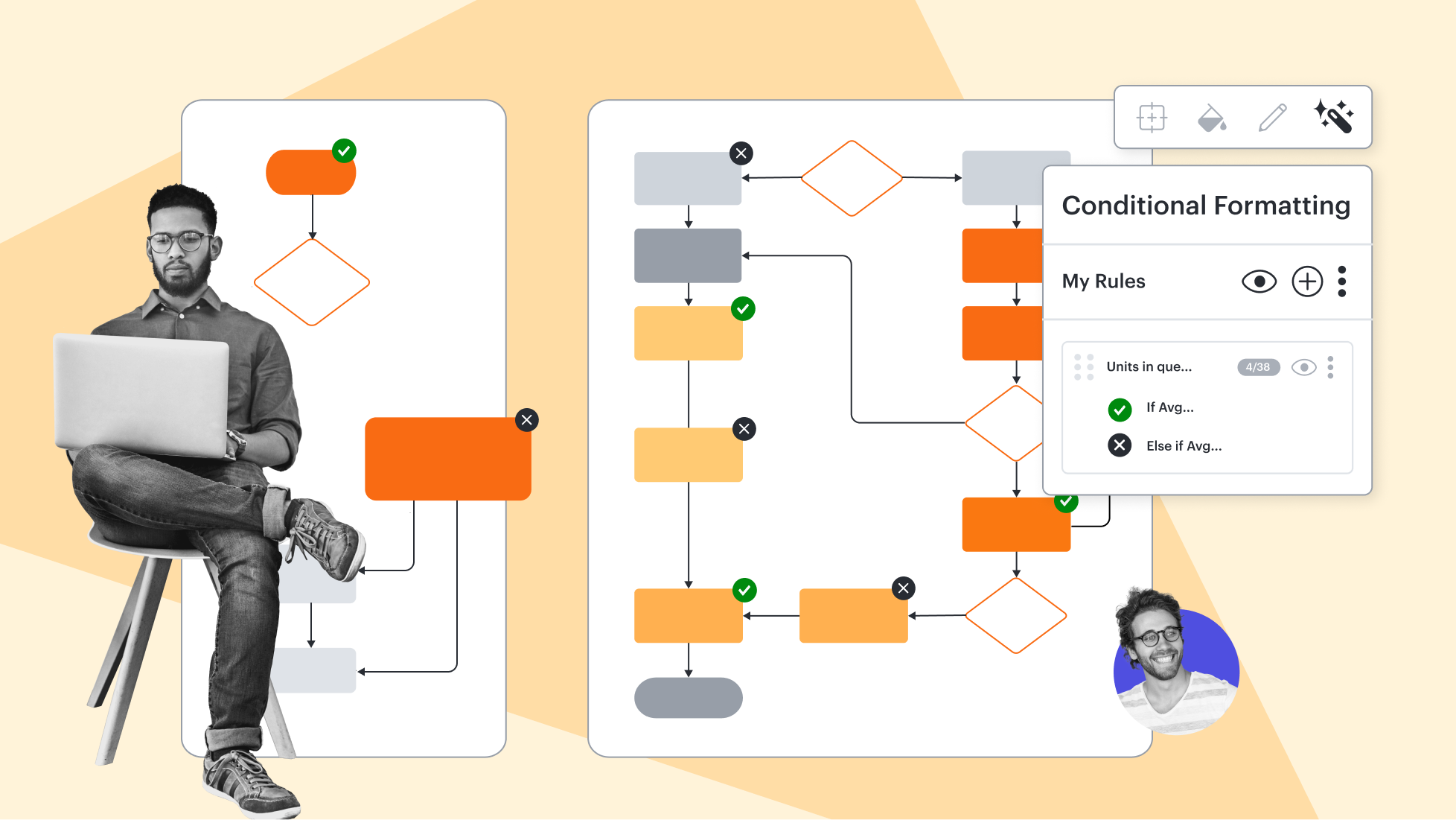
Conditional formatting
Conditional formatting
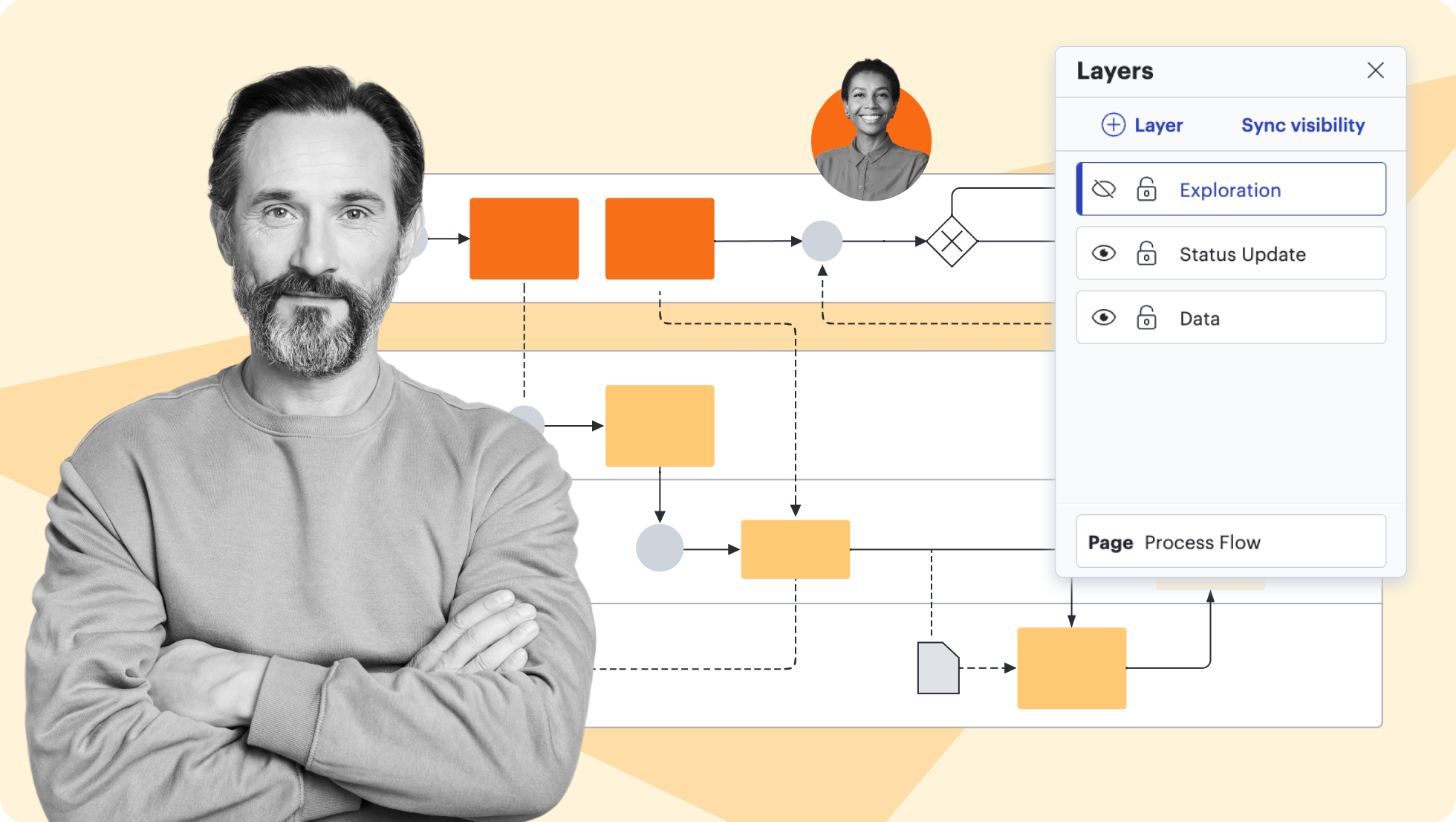
Layers
Layers
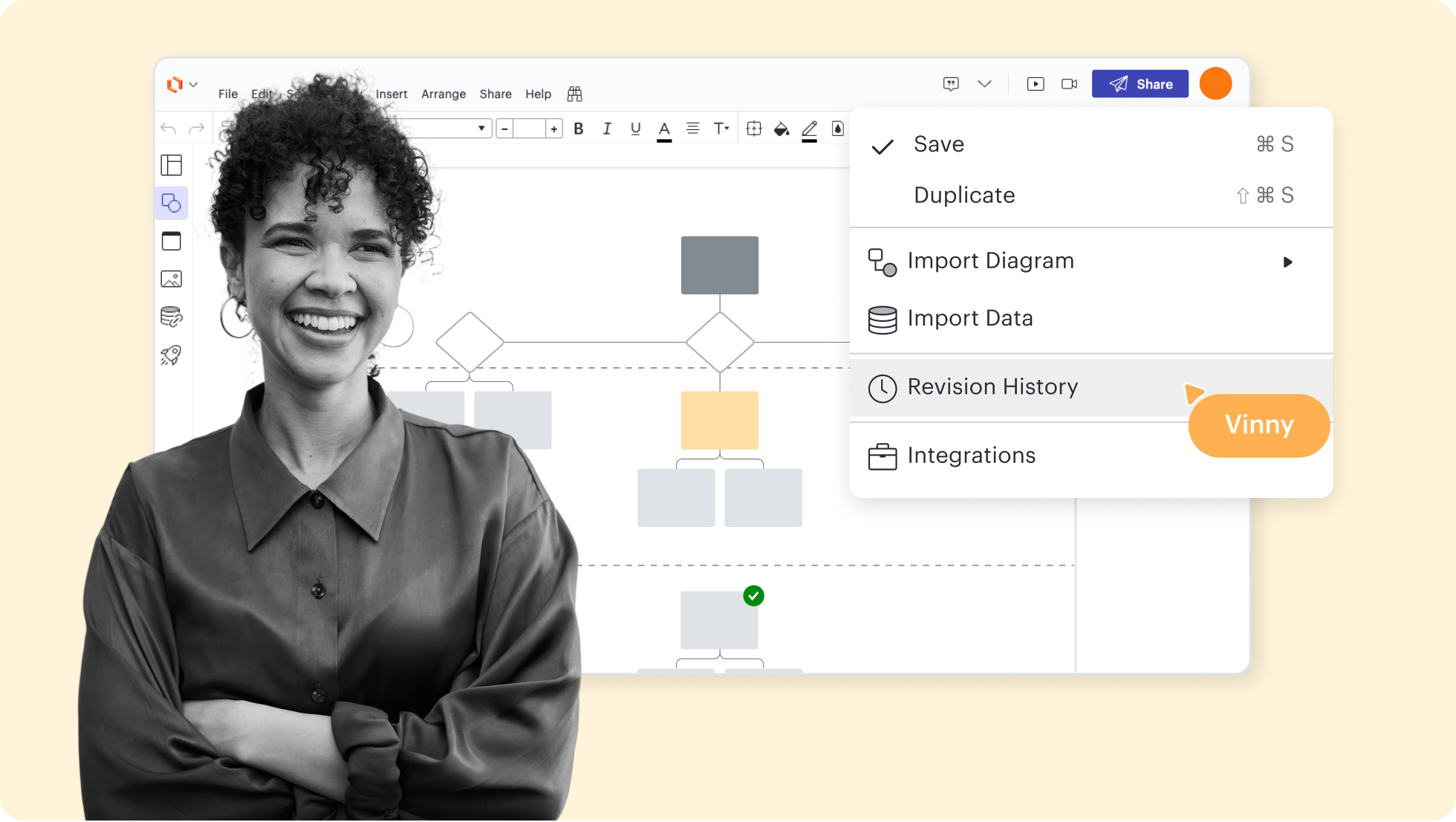
Revision history
Revision history
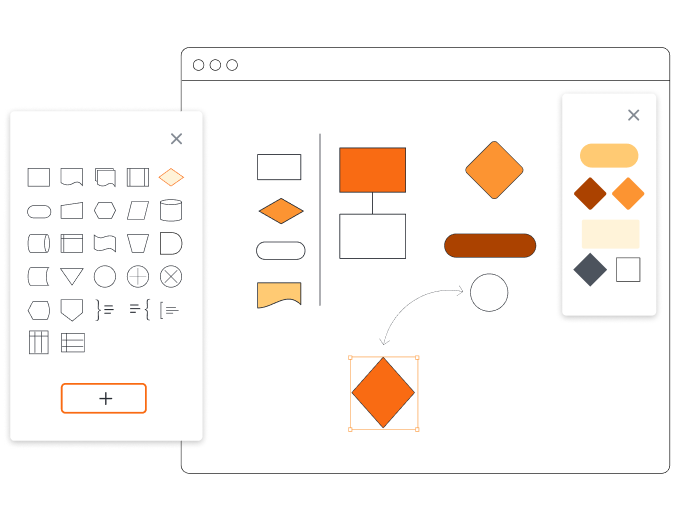
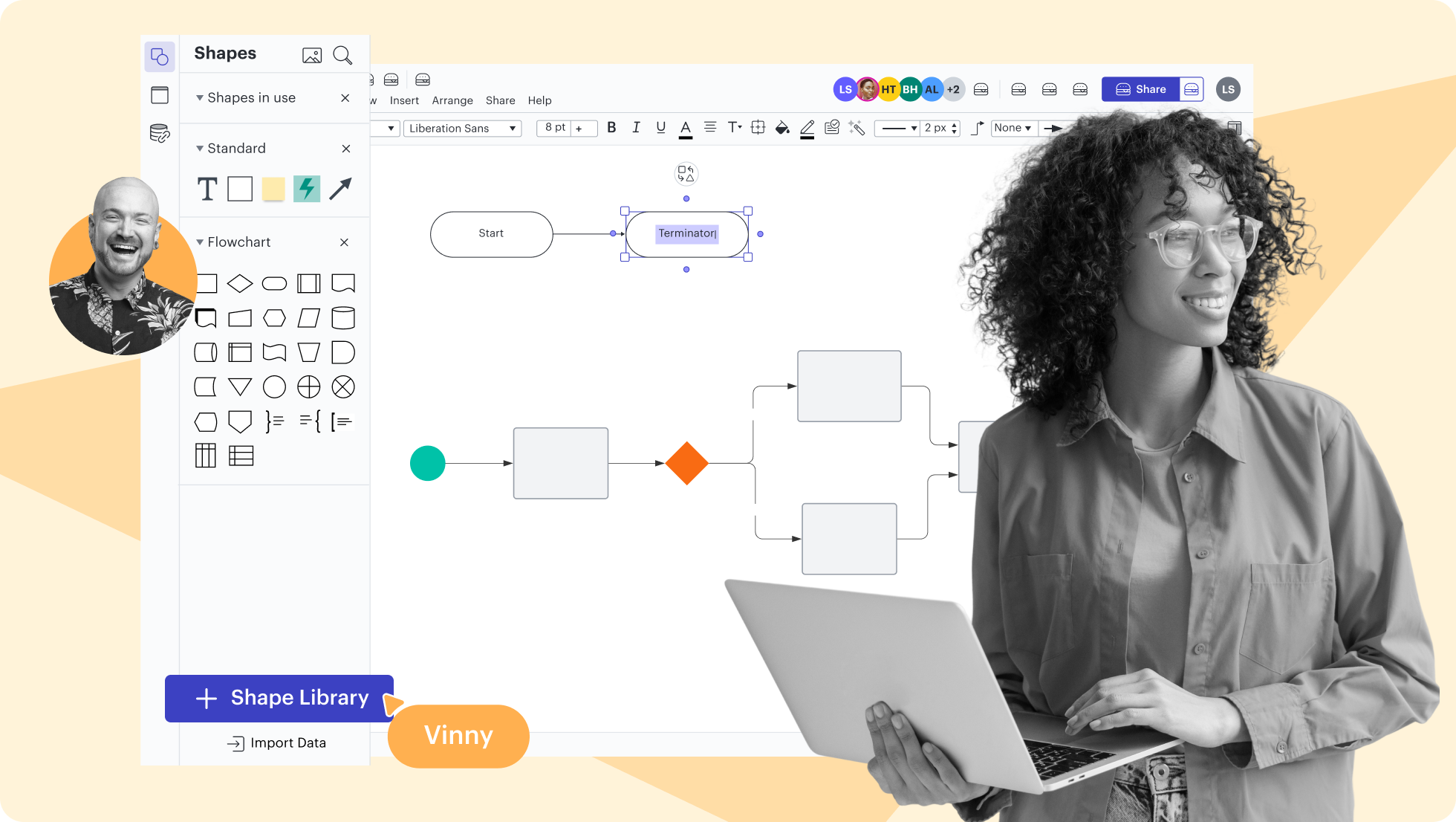
Shape libraries
Shape libraries
AI prompt flow
AI prompt flow

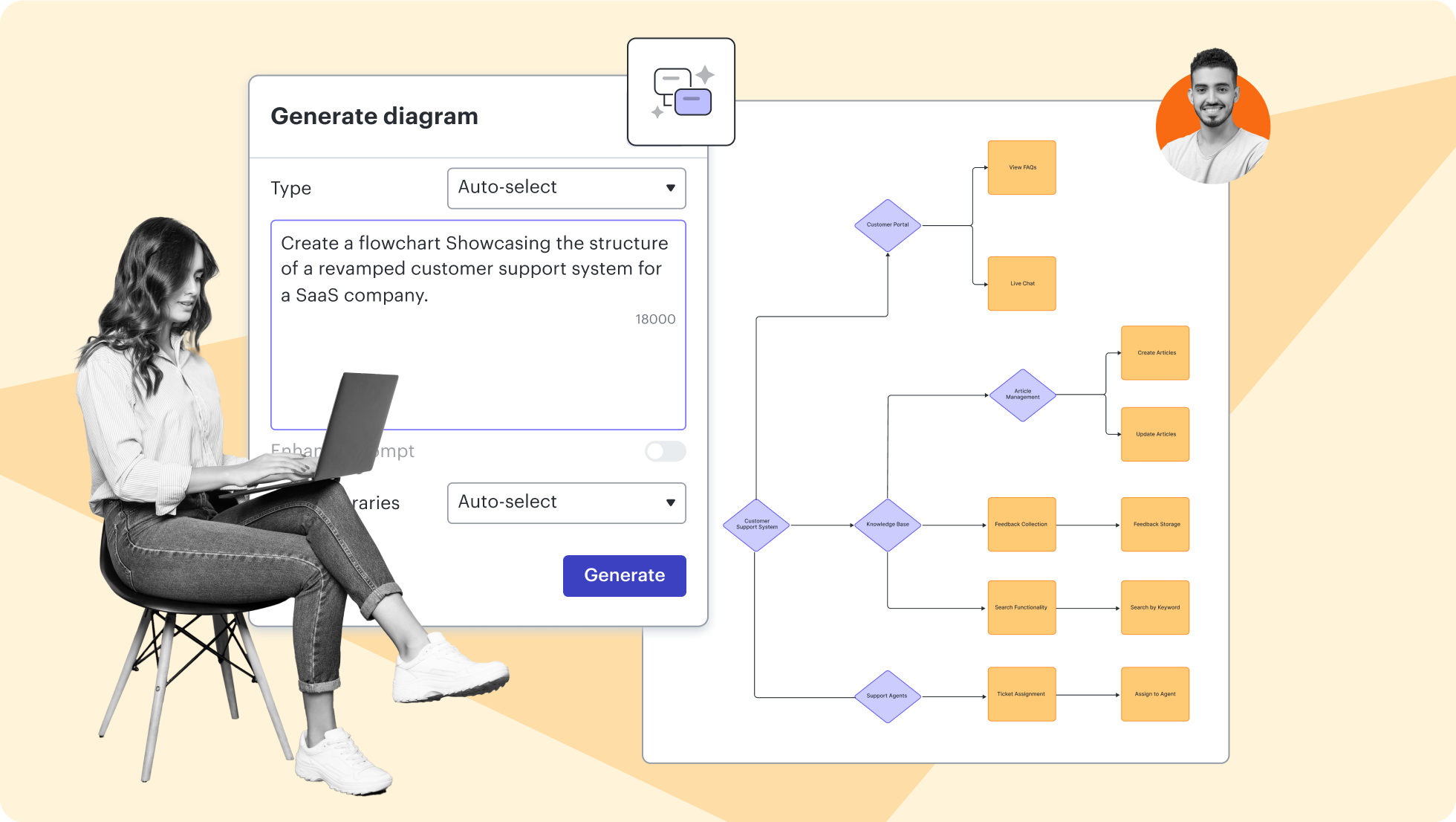
Lucidchart feature highlights
Streamline work by enabling multiple collaborators to create and edit the same diagram at once.
Free flowchart templates
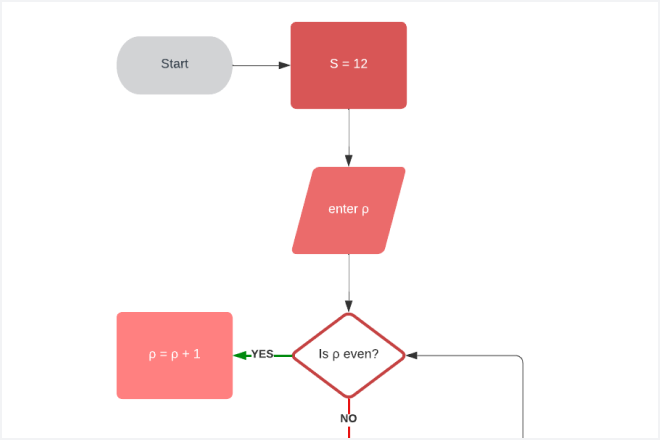
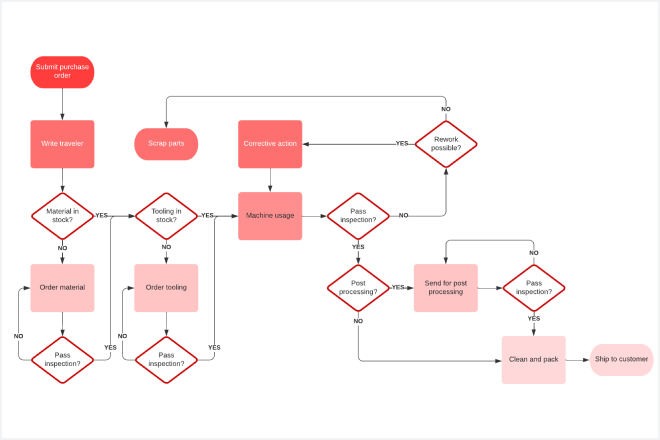
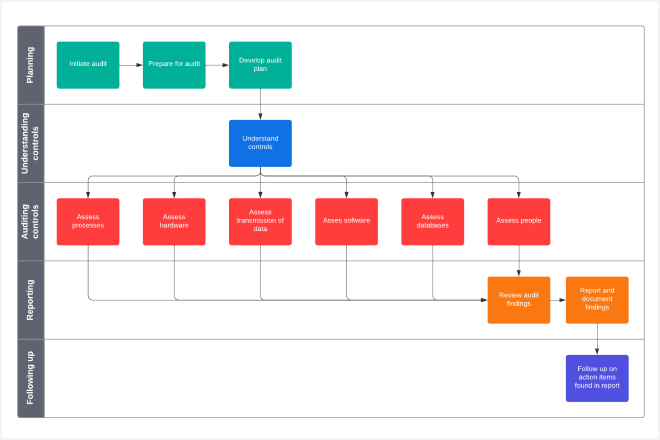
Start creating your flowchart by using one of our free templates.
Getting started in Lucidchart
Getting Started in Lucidchart
Follow along with this video tutorial and learn how to make any type of diagram in Lucidchart.
Why teams choose Lucidchart
As an intelligent diagramming application, Lucidchart provides simple yet powerful capabilities for visualizing information.

Collaboration. Bring teams together side by side on a shared canvas from anywhere in the world.
Alignment. Build transparency and shared understanding of how a team or company works.
Large-scale change. Increase visibility, standardization, and knowledge sharing across your entire org.
End-to-end workflows. Upgrade to the Lucid Suite for a complete, connected visual collaboration solution.


What is a flowchart?
Flowcharts are diagrams that show processes, systems, or computer algorithms. Flowcharts can use a variety of shapes to represent each step of the process, with connecting arrows to show the sequence. Because they make complex processes clear and easy to understand, you’ll find flowcharts in both technical and non-technical fields to document, study, plan, improve, or communicate information. They are one of the most common kinds of diagrams.
How to use Lucidchart’s flowchart software
Start with Lucid AI or a free flowchart template
Drag and drop shapes onto the editor
Start connecting shapes
Edit shapes and lines
Share or publish your flowchart
Additional Lucidchart resources
Lucid Training Labs
Learn visual collaboration skills in free, self-serve courses and live training workshops.

Lucid Community
Connect with other users to share tips and insights. Provide feedback to Lucid’s product team.
Help center
Find detailed articles with step-by-step instructions for using specific Lucid features.
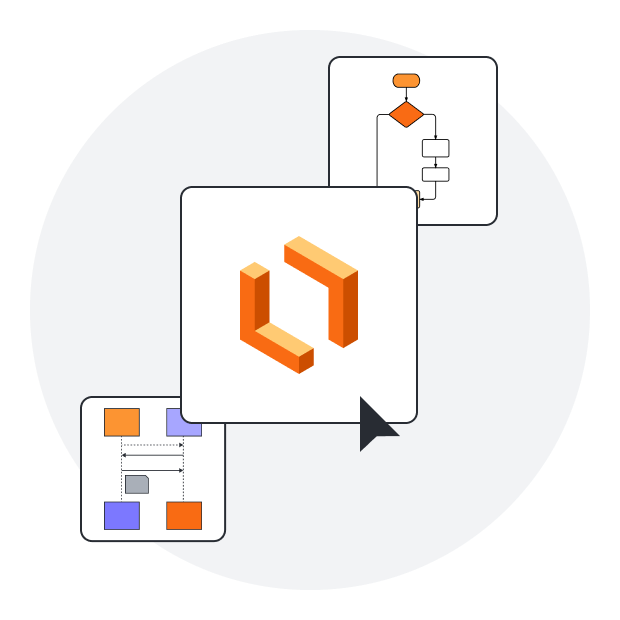
Lucidchart tutorials
Go to the Lucidchart tutorials playlist on YouTube for video training on various topics.
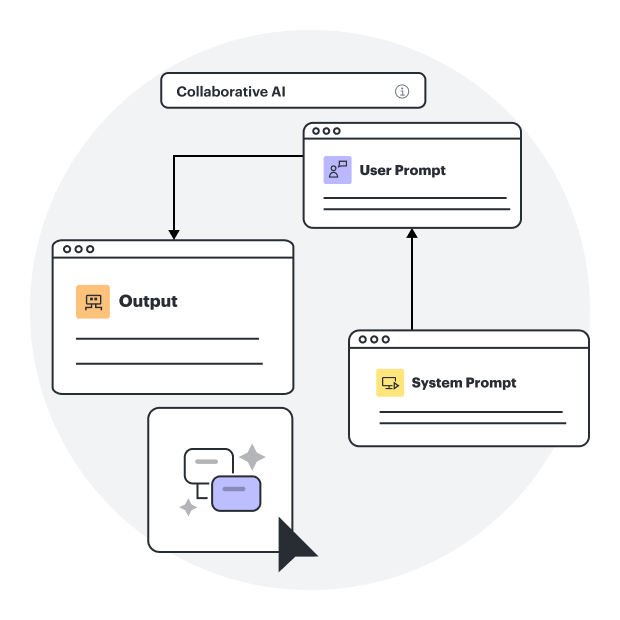
Collaborate with AI
Get an overview of Lucid’s AI functionality and find additional resources.
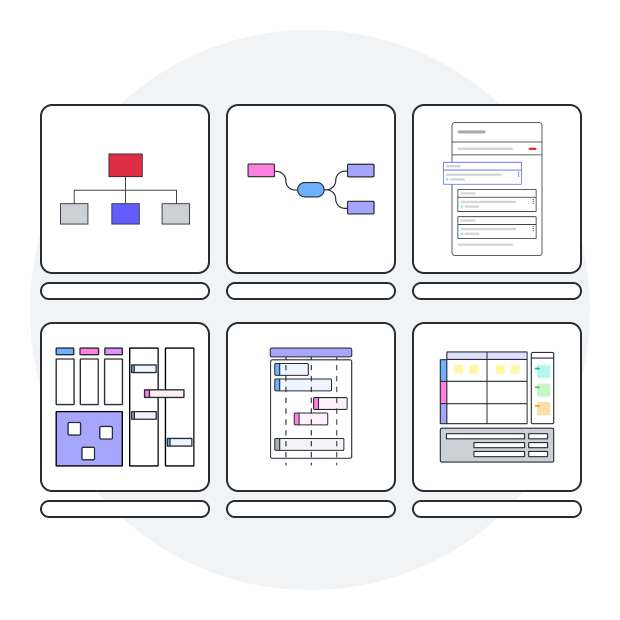
Lucid blog
Explore tips for optimizing collaboration, aligning teams, and driving initiatives in Lucidspark.
Lucidchart pricing
Create a free account and compare options for paid Individual, Team, or Enterprise plans.
Frequently asked questions
What are the basic symbols and elements of a flowchart?
How do I get the content in the swimlane flowchart to automatically move when I move the swimlanes?
How do I format my line connections in Lucidchart?
How can I color-code symbols and notation in my flowchart?
If I’m making a flowchart for a very large process, how do I create a second page for the flowchart?
I need to share my flowchart with other teams and coworkers. What are my options within Lucidchart?
Where can I find more information about flowcharts?
Everything you need to make a diagram
In addition to our online flowchart software, Lucidchart offers support and training resources to help you branch out to any type of diagram.
View Lucid Training Labs