
Remote work, or working from home, is not a new concept. Prior to 2020, most large companies already had a system in place to accommodate globally distributed team members. In fact, Pew Research reports that 20% of employees already worked remotely some or all of the time before the pandemic motivated a larger shift to remote work.
As the home office became more normalized in 2020, employees quickly adapted to remote working and many even preferred it. And management learned that working from home can be productive. Today, 71 percent of companies are permanently allowing some type of remote or hybrid teamwork.
Of course, you’ll also have employees who might feel more comfortable working in an office setting. This means that you’ll need to be an effective manager of a team that works both on-site and remotely.
In this article, we’ll share management ideas to help you promote collaboration and productivity for an effective hybrid teamwork model.
What is a hybrid team?
Office work and remote work are pretty straightforward. But what is a hybrid team?
A hybrid team is simply a team that includes people who commute to the office every day and those who choose to work remotely. Some workers might want to alternate between working in the office and working at home.
What are the advantages of the hybrid work model?
- Flexibility: Employees can choose the work environment and schedule that helps them be the most productive.
- Health issues: Eases anxieties or concerns about returning to an enclosed work environment where they might get sick.
- Social issues: People who want or need face-to-face social interaction can commute to the office as needed.
- Job satisfaction: Employees are happier and more satisfied which raises productivity.
- Bigger talent pool: Businesses can recruit talent from outside the local area. Employees don’t necessarily have to live in the city or state where there is a job opening.
What are the challenges of the hybrid model?
Scheduling: You’ll have to try to remember who is working where and in which time zone.
Burnout: One of the benefits of remote work is also one of its challenges—workers tend to be more productive and work longer hours when they work from home. As a result, 1 in 5 remote workers reports feeling burnt out. Hybrid team managers will need to keep this in mind to ensure they are balancing team members’ workloads.
Remote staff exclusion: Before the pandemic, a Harvard Business Review study found that some employees working remotely felt like they were shunned or excluded from the team. They felt like changes were made to projects without their knowledge or input, and that their coworkers were saying negative things about them behind their backs.
With remote working being normalized during the pandemic, these feelings might not persist today. But, as team members return to the office, you need to make sure that remote workers still feel like they are part of a team. Don’t give them the perception that their colleagues at the office are getting preferential treatment.
Being inflexible: If you are going to have a hybrid team, you can’t expect to stick with the old processes and procedures that made your office-based work model a success. Open yourself to unlearning old practices and embracing new processes and systems to successfully manage a hybrid team.
Communication breakdown: Even with a full team that works on-site in the same location, there will be gaps in communication. Adding a new layer with remote workers creates additional challenges to keeping everybody informed and on the same page. For example, casual conversations in the halls or the breakroom could lead to decisions and actions being taken without the remote members of the team knowing what is going on.
Lack of buy-in: Despite the many benefits of a hybrid work model, not everybody thinks it’s a good idea to let workers continue working from home while others return to the office. If you don’t have leadership buy-in, or if there is the perception that people who work from home are goofing off, it will be nearly impossible to work as a hybrid team. Rules need to be changed and strict structures relaxed a bit to accommodate a flexible environment.
How do you achieve effective teamwork in a hybrid workplace?
Even though it can be challenging, here are some tips to help you to foster teamwork in your hybrid work model.
Create a remote-first work environment
Whether employees work from home one or two days per week, five days per week, or choose to go to the office every day, the work culture should be the same for all. These simple tips can help you to foster a remote-first hybrid work model:
1. Use tools that can be accessed from anywhere
It’s possible that your hybrid team will never be in the same location at the same time. Take full advantage of cloud-based tools that can be accessed from any location.
For example, a virtual whiteboard like Lucidspark can help your team collaborate on brainstorming sessions that bring ideas to life. And the templates and tools at Lucidchart make it simple for your team to access, update, and collaborate on shared documents in real time from anywhere in the world. This keeps the whole team up to date on current status, progress, schedules, and goals.
2. Centralize communication in one platform
Communication is key to success. When you use multiple channels for communication, such as email, phones, instant messages, chat, etc, important information can be lost between the cracks. Centralize communication funnels in a single platform for easy documentation, storage, and access.
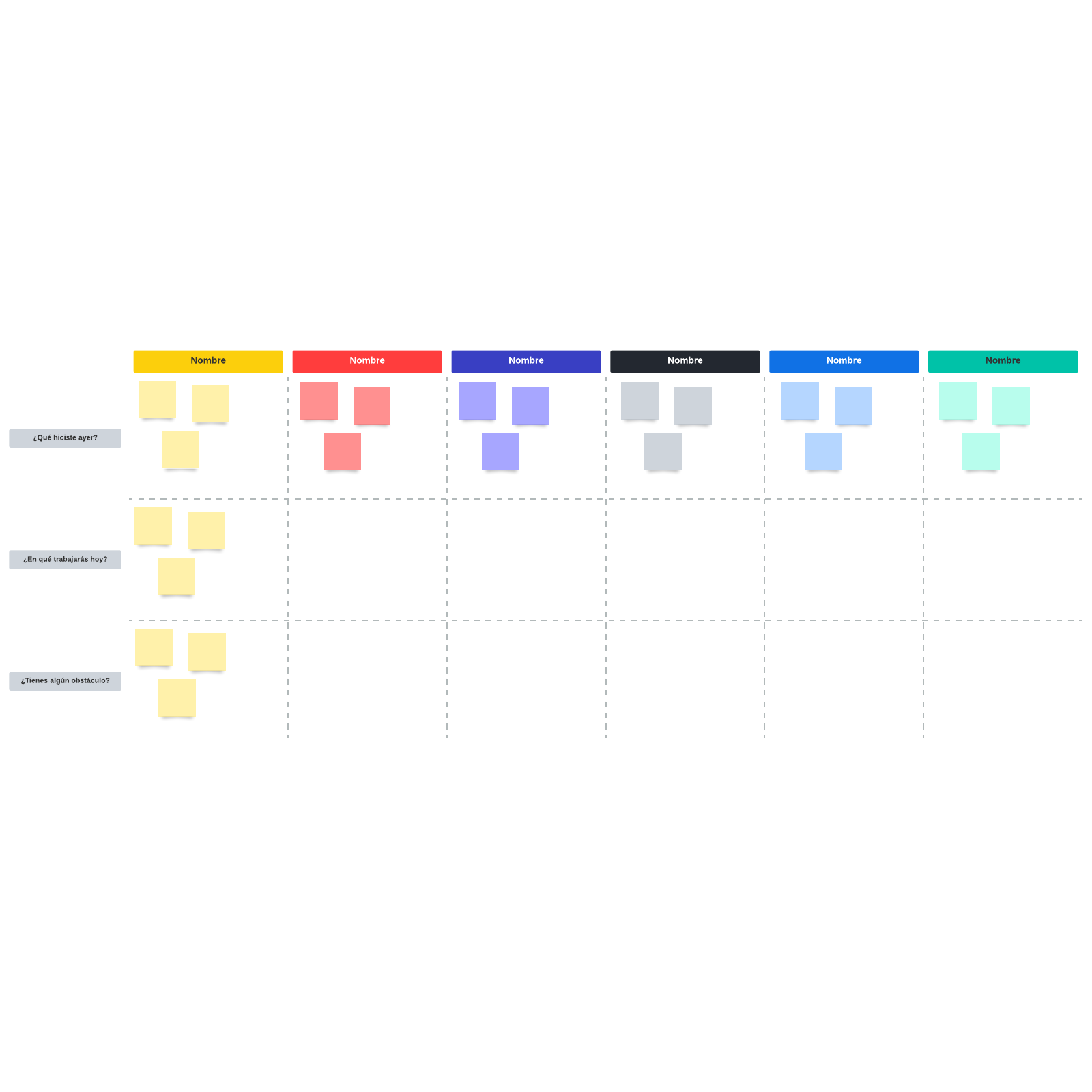
3. Schedule a daily sync
You might be dealing with a lot of different schedules and time zones. To offset scheduling challenges, consider establishing core hours when all members of the team need to be available for meetings, brainstorming sessions, or one-on-one face time. Take time during these core hours for daily syncs. Even 15 minutes can be enough to get everyone on the same page.
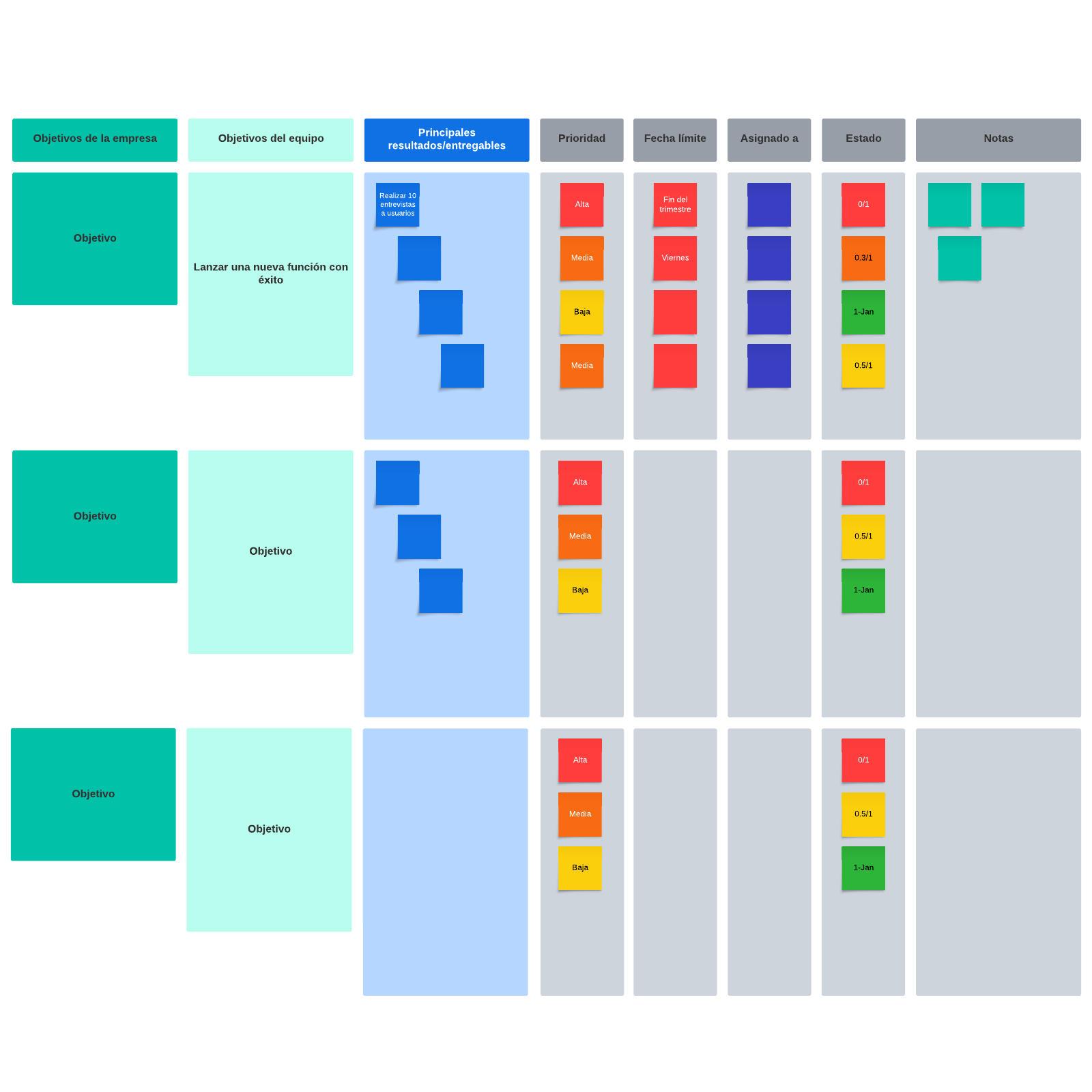
4. Establish clear goals that include the whole team
Each team member needs to understand the goals that you want to achieve and the deadlines associated with them. Clearly communicate individual and team goals and explain how they fit in with the collective team goals. Clear goals help to keep the team focused as they work toward the desired outcome.
How to include remote workers
Your hybrid team’s success or failure hinges on whether everybody feels included. These tips can help you to make all team members feel included:
- Give them the power to make decisions: Always ask for input from every team member no matter where they are before making any decisions.
- Include video conference links on every meeting invitation: Even if your team mostly works on-site, always include links for video conferences. This way everybody has the option of attending via video whether they work remotely or not. An added bonus is that you can always find a time to meet for a video conference even when conference rooms are unavailable.
- Have a clear agenda: Don’t call meetings just because you want a meeting. Be sure there is a reason for meetings and send out an agenda. This helps team members to prepare for and understand their level of involvement for the meeting.

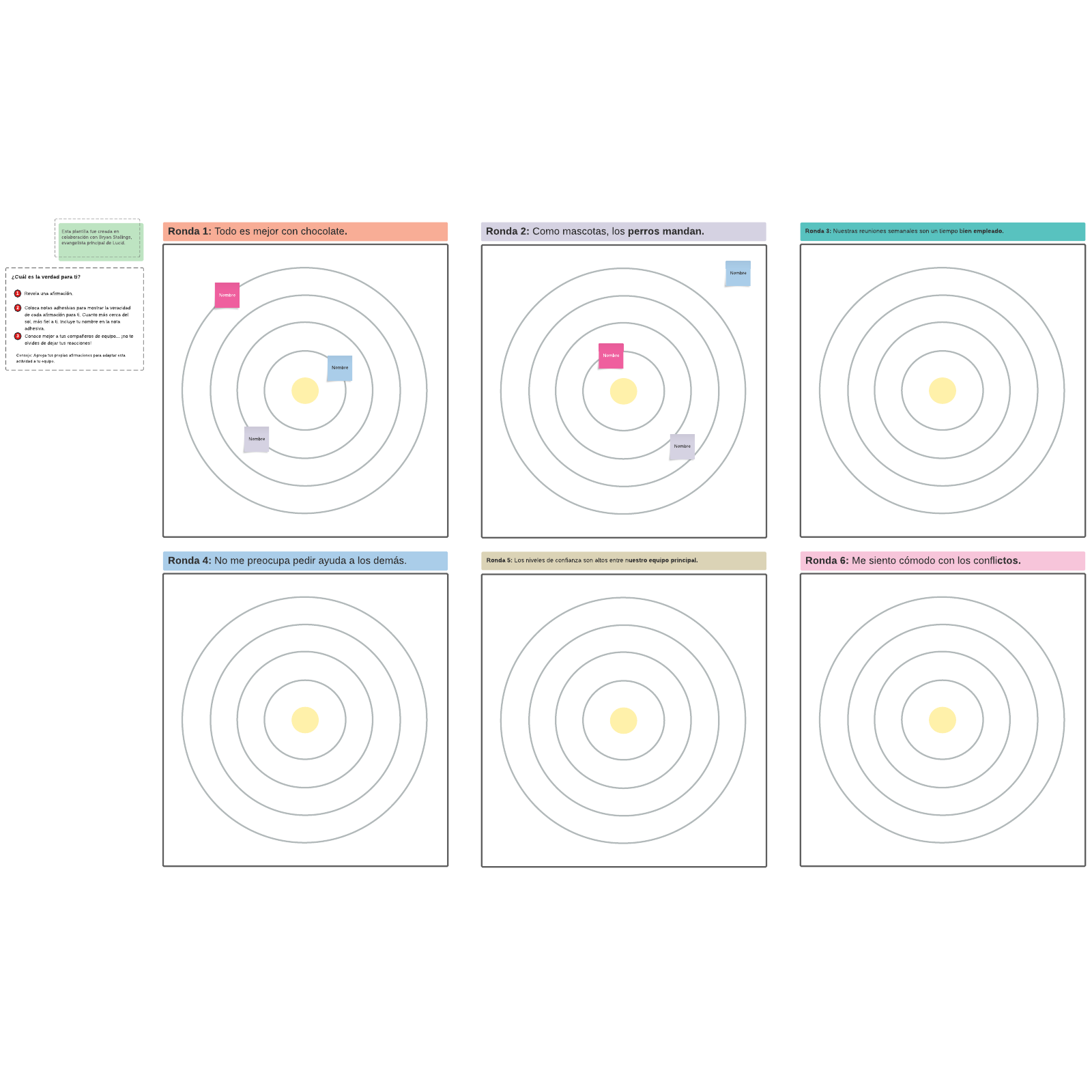
4. Enable virtual socialization: Include remote workers in birthday celebrations, training, Friday mix and mingles, and other activities. Set up social communications so remote team members can chat with their work friends and keep up with “water cooler” talk.
How do you manage a hybrid team?
It’s going to be a learning experience for everybody as you build and manage your hybrid team. Here are a few tips that might help you to more effectively manage a hybrid team.
1. Create and set expectations: Make it clear what you expect from your remote and in-office employees. Let them know when they need to be available by phone or video, when they should send reports, how often they should check messages, etc.
2. Trust employees to fulfill expectations: You can’t always know where your remote employees are or what they are doing. You’ll have to learn how to trust that they will meet expectations and complete their work on time. Adopt a results-driven culture where you worry more about the results of their work rather than how they get those results.
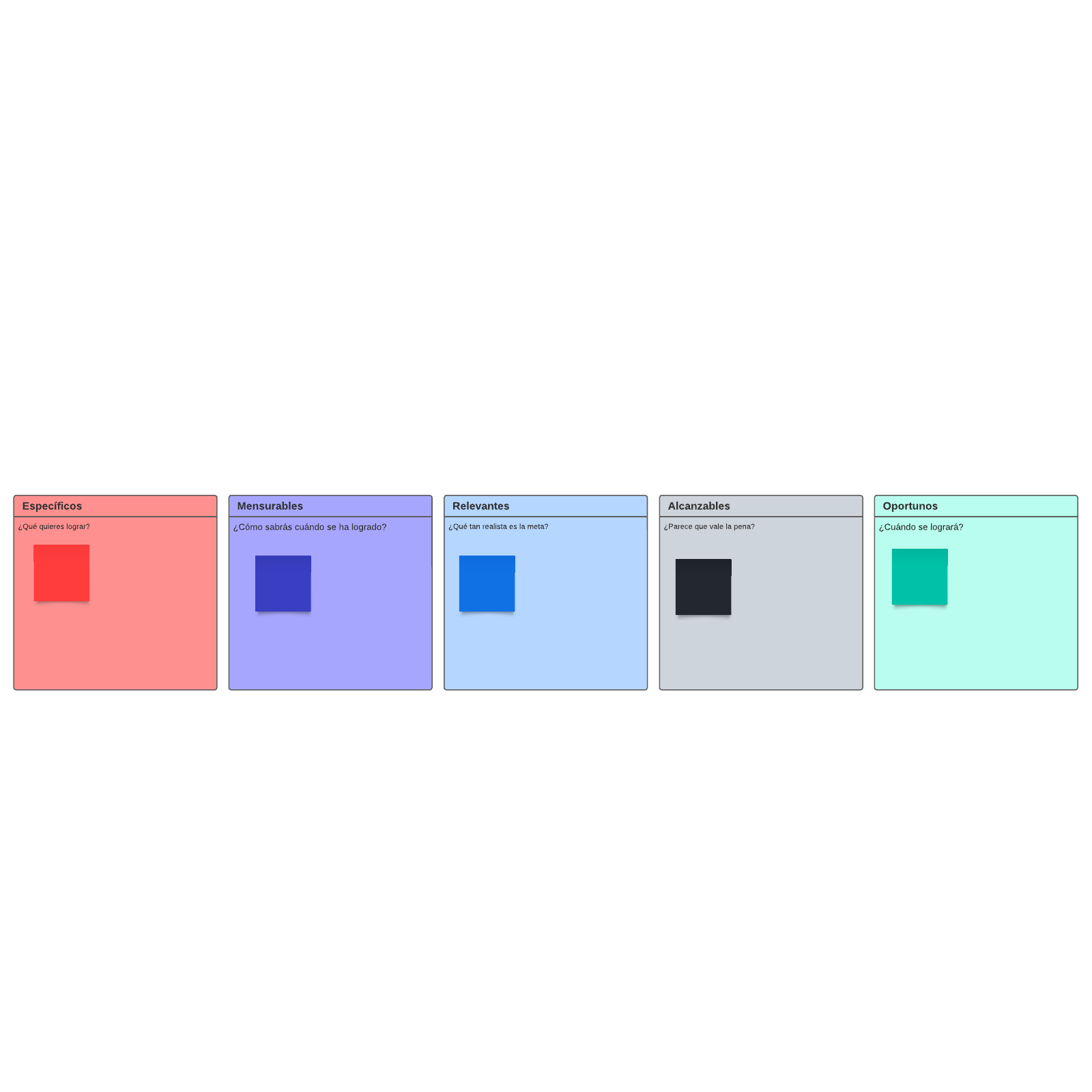
Set SMART (Specific, Measurable, Attainable, Realistic, Time-bound) goals, Key Performance Indicators (KPIs), and Objectives and Key Results (OKRs) to help remote and on-site workers understand what tasks and procedures they should be focused on to achieve their goals and meet expectations.
3. Offer and solicit feedback: Believe it or not, employees want feedback. So you should schedule regular one-on-one meetings to touch base, see how things are going, address concerns, and give direction.
4. Offer support: Be available. Let your team know that they can come to you if they run into roadblocks or have any other concerns. Also, be sure to reach out to remote employees when you need to talk to them. And don’t start the conversation by saying, “Sorry to bother you at home.” That sends the message that you don’t think the remote employee is actually working.
It looks like the hybrid work model is here to stay. As you face the challenges of managing these teams, remember that it’s important that everybody feels like they are contributing members of the team. Do this by setting measurable goals, making expectations clear, establishing accountability, and meeting face-to-face with individuals and teams on a regular basis.

Enhance your collaboration, wherever you work.
Try it for free