
Key takeaways
-
A problem statement is a focused summary of the specific issue you’re trying to solve. Its job is to align all stakeholders and secure buy-in for an intentional resolution.
-
Problem statements vary, but should all include the problem’s context, impact, significance, and description of what needs to happen to reach the ideal outcome.
-
Lucid’s powerful features and robust templates make it easy to visualize and understand problems and collaborate on long-term solutions.
Looking to solve a problem? You may want to start with a problem statement.
Taking the time to formulate a statement can help teams narrow their focus as they collaboratively seek to find a solution. In this article, we’ll explain its importance and provide tips for crafting a powerful problem statement.
What is a problem statement?
A problem statement is a clear definition of the specific obstacle you’re trying to fix. Creating a problem statement provides the alignment needed to keep your team and stakeholders focused on the same goal. Problem statements can help secure project approval, but they also narrow your focus as you decide steps to take and solutions to try.
What are the elements of a problem statement?
It can vary from project to project, but a problem statement format generally includes these four elements:
-
The gap
The gap is the heart of the issue. It describes the distance between your current reality and the ideal outcome. Without it, you’re left guessing at solutions. To define what the gap is, ask questions like, “What exactly is missing?” or “What’s the exact gap between what’s happening now and what should be happening ideally?”
-
Orientation
The orientation provides context for the problem. It helps identify the where, when, and how of the issue. By mapping out details such as when the problem first occurred and identifying recurring patterns, you build a solid foundation of actionable context for your team to work with.
-
Impact
The impact highlights the tangible consequences of leaving the problem unsolved. It may include wasted time, an unfavorable user experience, and increased costs. In this element, you quantify the damage. Determine who is being affected and what the cost of inaction is.
-
Significance
In this step, you connect the problem to the bigger picture. Why should this specific issue be a priority for stakeholders? How does it align with broader business goals? If you can quantify the significance, it justifies the investment of time, talent, and budget required to solve it. This step turns an inconvenience or annoyance into a solid business case.
How to write effective problem statements
Follow these steps to create your own problem statement.
Step 1: Detect and diagnose the problem
Before you even begin writing, you need to fully understand the issue. Observe it if possible, whether that’s in a specific workflow or a live production environment. Move beyond secondhand reports and try to gather primary data. Look for patterns that suggest a systemic issue.
Step 2: Establish the stakes
Once you have the facts solidified, articulate why the problem needs attention. Try to avoid subjective opinion and instead, frame the impact in objective terms to clarify the priority. Is the issue a reputational risk? A financial drain? Ask yourself questions like:
-
What is the measurable impact on our goals or user experience?
-
What previous attempts were made to fix this, if any, and why were they unsuccessful?
-
Is this a symptom of a deeper, unaddressed failure?
Step 3: Investigate
With the answers to these questions in mind, find the true source of the problem. Be prepared to pivot your perspective or your direction as you learn new information. Several structured frameworks can help with this step. Here are just a couple.
The 5 whys
Determine the underlying cause of your issue by repeatedly asking “Why?”

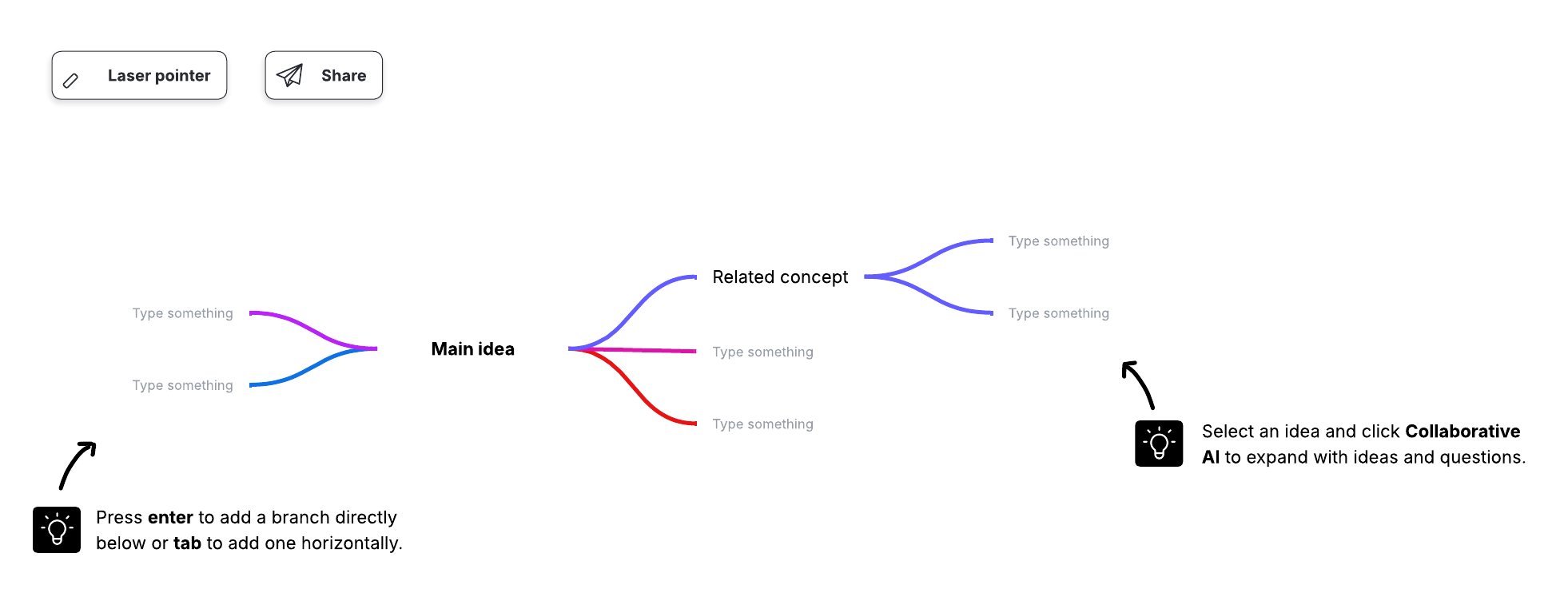
Mind mapping
Visualize the relationships between causes and effects to see the full picture of the problem with a mind map.
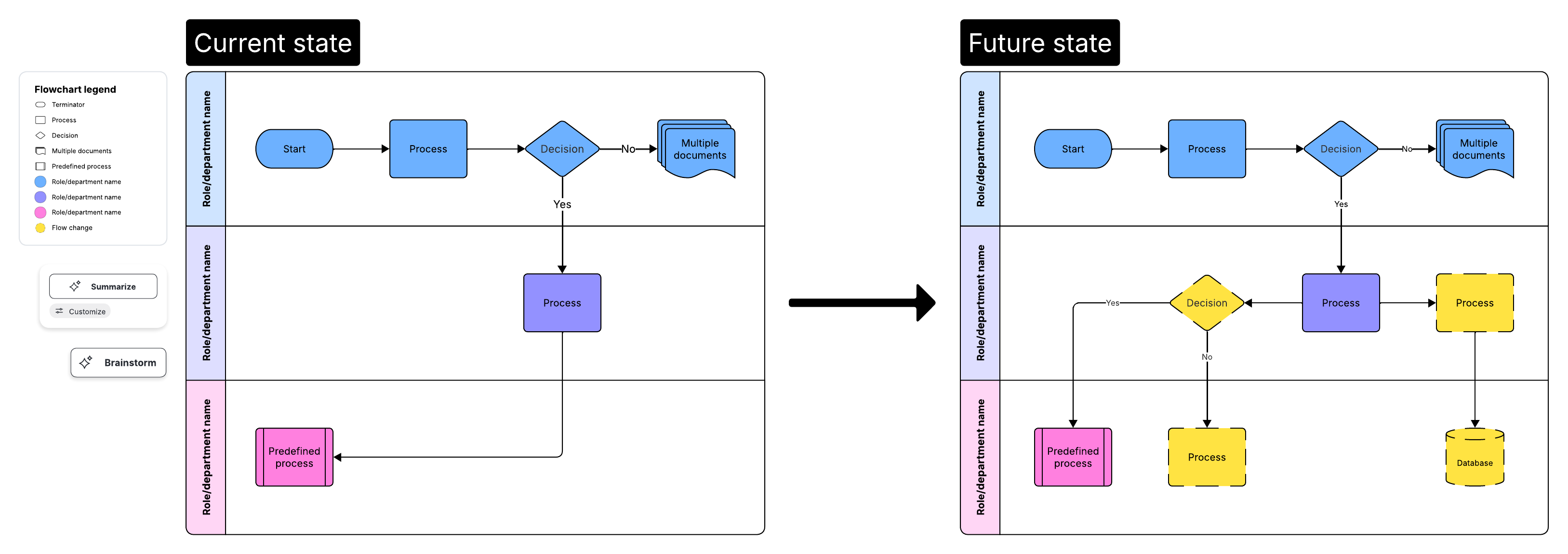
Step 4: Define the future state
What would it look like for the root cause to be totally resolved, rather than simply managed? If you just patch symptoms, the same issues could resurface later. Create a clear benchmark for success and identify the steps needed to get there.
Step 5: Propose solutions
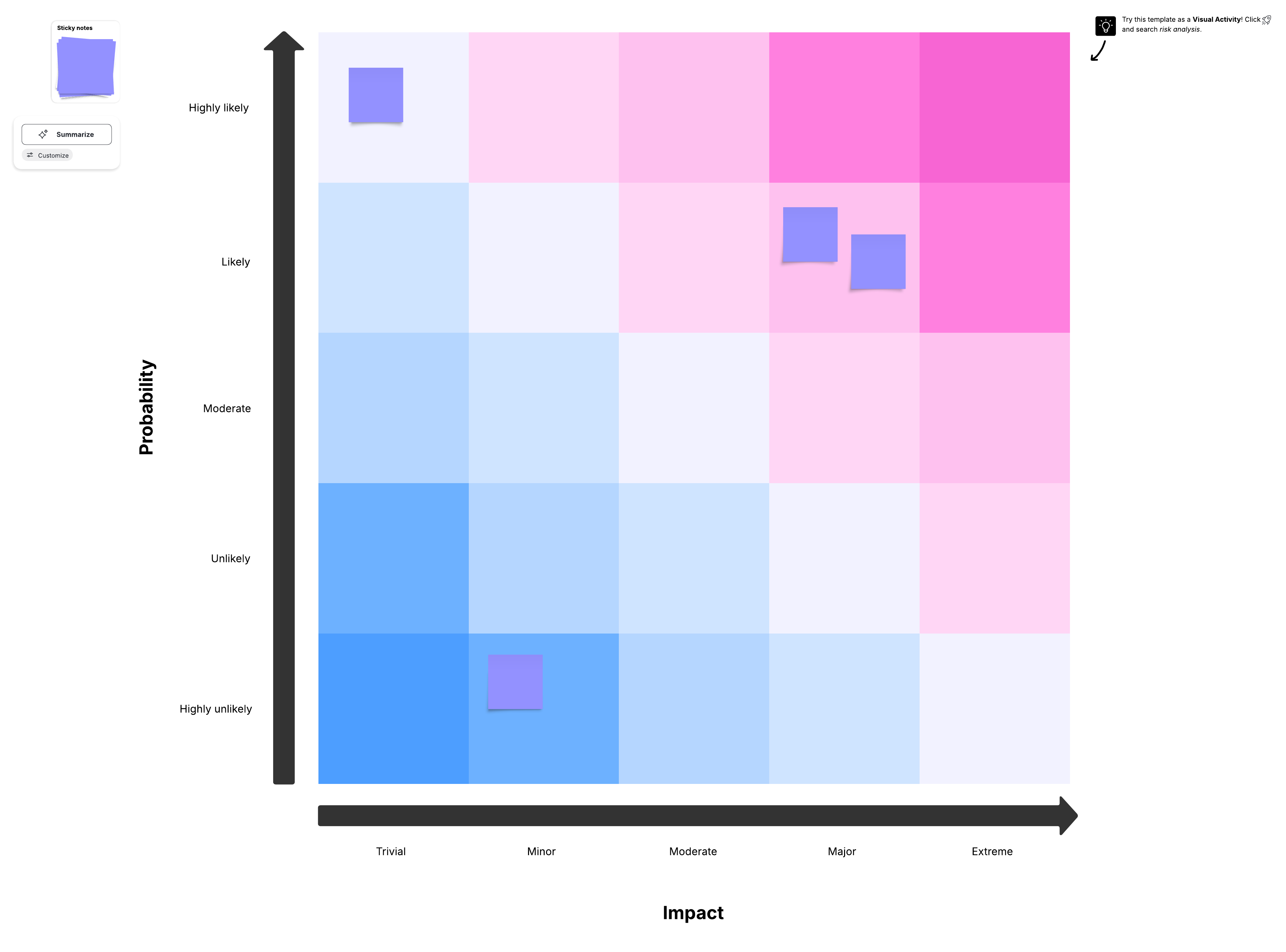
Provide options for how to proceed, allowing stakeholders to weigh trade-offs among cost, time, and team bandwidth. When considering these different solutions, make sure they address the root cause identified in Step 3 rather than just visible symptoms. Don’t forget to evaluate multiple options, identify potential risks, sequence tasks, and clarify ownership tasks and responsibilities.
Problem statement example
Curious what a problem statement may look like? Consider this example of an operations lead trying to reduce new-hire onboarding time.
-
Gap: New hires are experiencing a significant lag in reaching full productivity.
-
Orientation: The issue surfaced as the company scaled over the last year.
-
Impact: The delay in onboarding is costing potential revenue and causing onboarding fatigue for mentors who are constantly interrupted.
-
Significance: Quick “time-to-value” for new hires is critical for maintaining profit margins and preventing early turnover.
Step 1: Diagnose the problem
Data shows that new hires spend 40% of their first month waiting for access to tools or looking for documentation. Interviews with recent hires have shown that institutional knowledge is trapped in Slack channels.
Step 2: Establish the stakes
Every week that a consultant isn’t fully onboarded represents a direct loss in revenue. Senior architects also report a 15% drop in output while helping new staff. If left unaddressed, this will bottleneck the company’s ability to scale.
Step 3: Investigate
Initially, we supposed that poor training was to blame. However, we discovered that the root cause is the lack of a standardized source of truth. As the team grew, the initial information-sharing methods that worked for a smaller team didn’t translate to a larger one.
Step 4: Define the future state
The ideal outcome is a self-service onboarding system where a new hire can find 90% of technical answers on their own. Success looks like a 50% reduction in time-to-onboard over the next six months, measured through project-hour logs.
Step 5: Propose solutions
There are a few different solutions.
-
Option A: Invest in an internal wiki and appoint champions to migrate institutional knowledge. This option has a high upfront time cost but long-term scalability.
-
Option B: Implement an audited formal onboarding checklist. This option is cheaper to start, but it continues to take significant amounts of time for the onboarding mentors.
I recommend proceeding with Option A while using a simplified version of Option B in the meantime to ensure immediate alignment.
Problem statement templates
These templates can help you create, visualize, and present your problem statement.
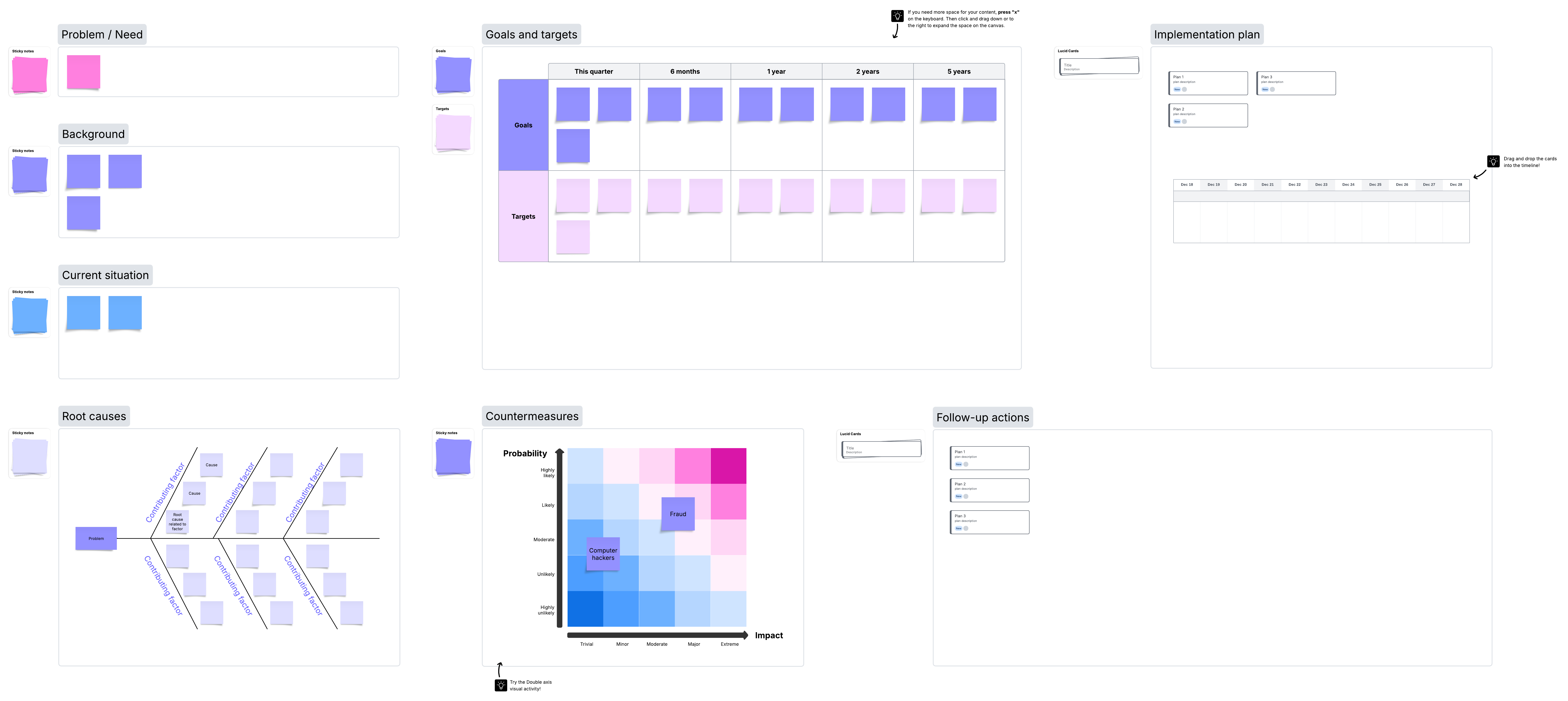
Problem-solving template
Collaborate with others on the different elements of your statement with this A3 problem-solving template.
Customer problem statement template
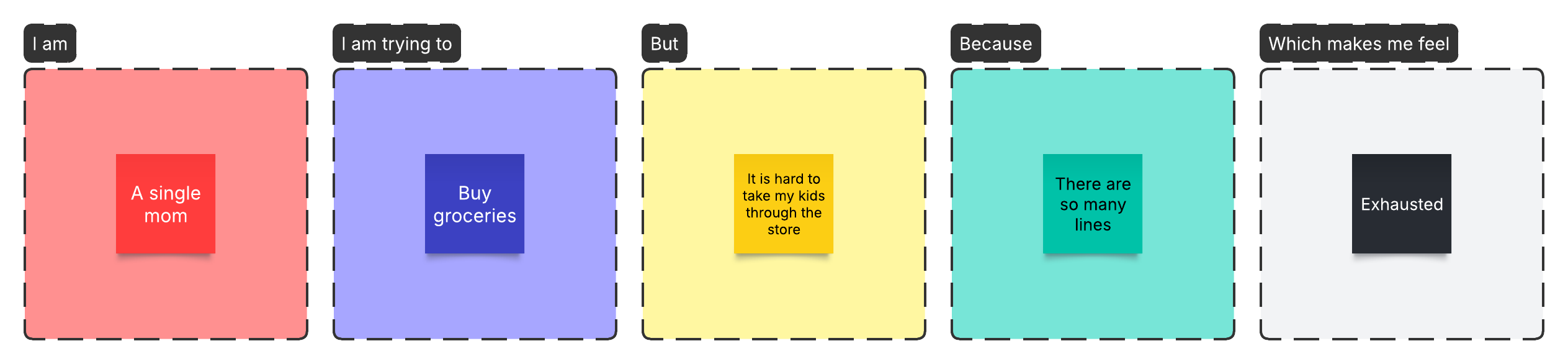
Fill in the blanks of this template to build the elements of a problem statement. Feel free to customize the box categories as needed.
Create a problem statement with Lucid
Problem statements can help you clarify the issue you’re dealing with, mitigate risk, and secure buy-in from stakeholders. With its powerful collaboration features to get feedback from team members, AI capabilities that expand on your ideas and effortlessly build flows, and templates that help you get organized and visualize solutions, Lucid can help with every step of the problem statement creation process.

Problem statements are just part of the entire problem-solving process. Dive into the rest and get our best tips to make the process easier for your team.
Learn more