Software has changed a lot over the last couple of decades, and more importantly, it keeps changing. Naturally, the software development process changes, too.
Agile software development is an iterative, adaptable approach to working that’s flexible enough to accommodate advances in technology and shifting customer requirements. One of the most popular Agile frameworks is Scrum, in which small teams focus on incremental product development in short periods of time. When implemented effectively, Scrum helps teams boost efficiency and adaptability while collaborating more closely with customers.
In this blog post, we’ll break down the key principles of Scrum, as well as events and artifacts so you can decide whether Scrum is the right Agile framework for you.
What is Scrum?
Scrum is an Agile framework for software development. Traditional software development processes operate linearly, following a strict pattern of planning first, then developing, then testing, and so on. Agile software development, on the other hand, takes a more iterative approach by breaking initiatives into smaller stretches of time called sprints, which last between two and four weeks.
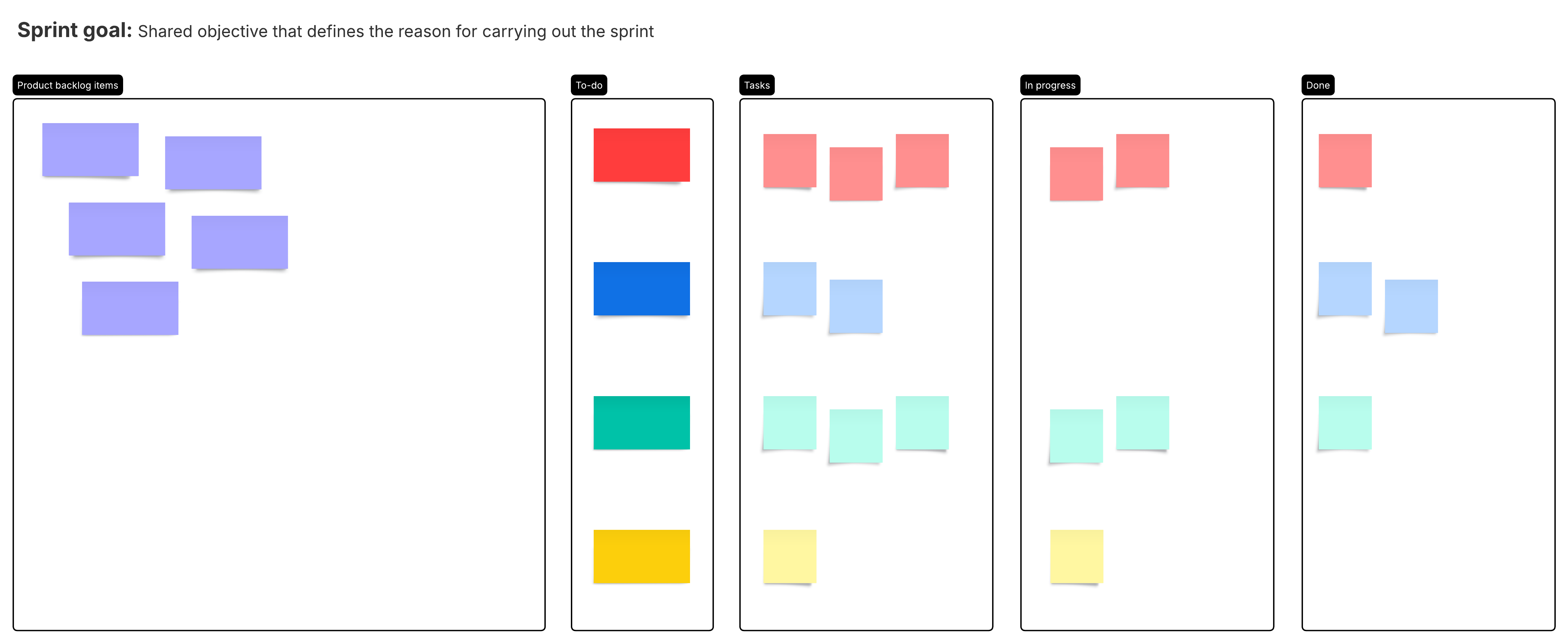
During each sprint, the development team adds and improves features to gradually deliver the best product possible. Testing and development happen frequently and often overlap. Scrum teams meet daily to track their progress, enhance transparency, and address roadblocks.
The Scrum framework is characterized by its focus on teamwork and collaboration. In fact, the name Scrum is taken from rugby scrums, a part of the game that requires a coordinated team effort.
Originally designed for use in software development, Scrum is now used by organizations, teams, and project managers across all disciplines. The framework works well for smaller teams tackling tasks that involve changing deliverables, unknown solutions, and frequent interaction with clients or end users.
What is Scrum methodology?
The Scrum framework is sometimes referred to as the Scrum methodology, although it is more accurately described as a framework. Unlike project management methodologies that prescribe processes, procedures, and documentation, Scrum provides lightweight structure for delivery, leaving the specifics of how to work up to the team. To better solve complex problems, Scrum is intentionally vague and acknowledges the unpredictable nature of product development while emphasizing the importance of continually inspecting and adapting work.
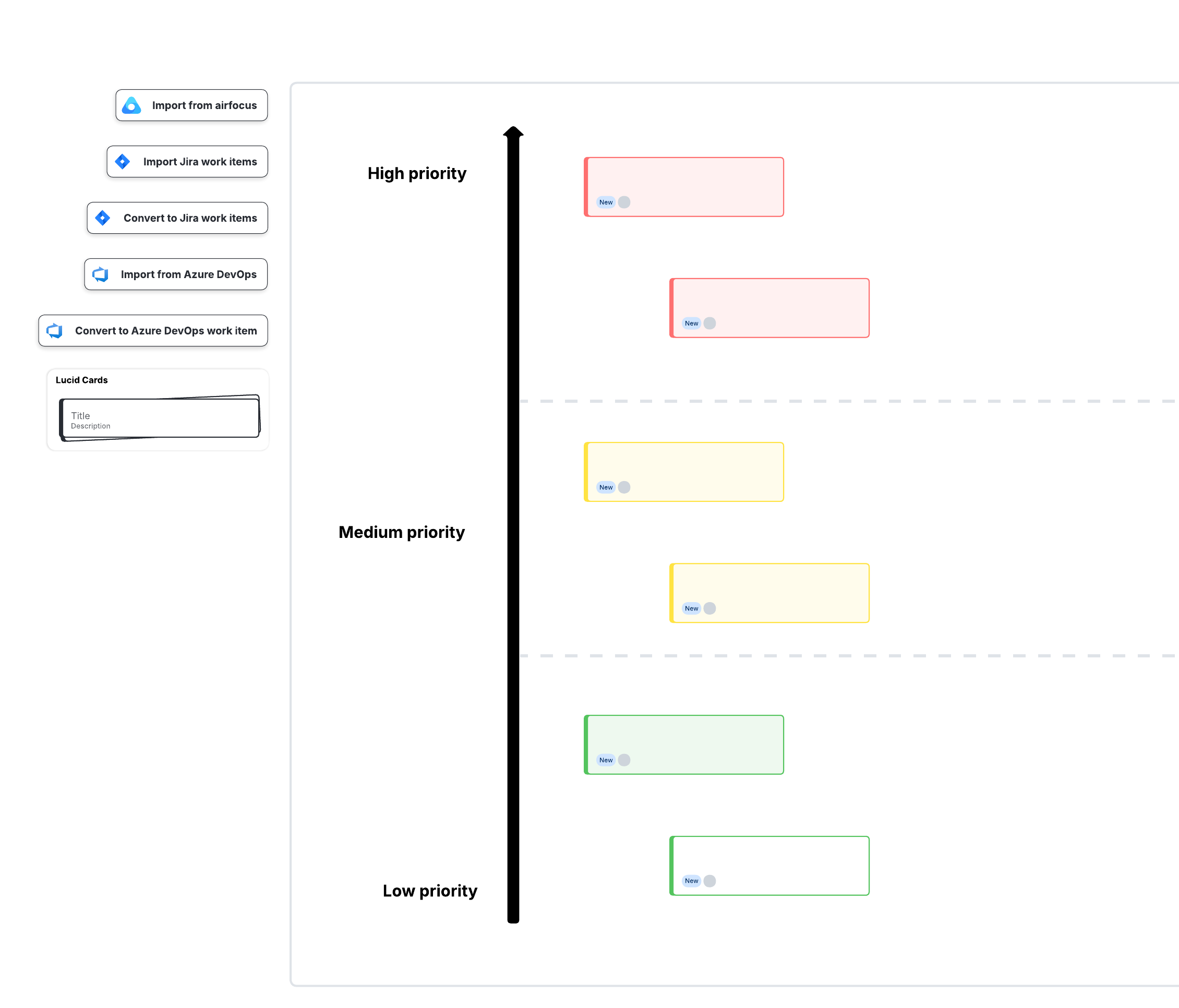
In addition to empowering teams to think creatively as they iterate, Scrum organizes features and goals into a prioritized list. This way, the team focuses on the most important work first.
Scrum key principles
The Scrum framework is built around six core principles. Each aspect of the Scrum method, from daily sprint meetings to Scrum artifacts, reflects these principles.
The six key Scrum principles are:
1. Control over empirical processes: With its focus on transparency, adaptation, and frequent evaluation, the Scrum method helps development teams test and improve their product at each stage of the process.
2. Self-organization: To successfully use the Scrum framework, each member of the team must fully buy into the process. This commitment requires a high level of independence and self-organization.
3. Collaboration: To deliver the best product possible, a software development team has to work together. Teams share responsibility and accountability throughout each cycle. As the saying goes: Succeed together, fail together.
4. Value-based prioritization: One of Scrum’s defining features is its flexibility. To adapt to and address new demands and requirements for the project, Scrum teams constantly evaluate and reprioritize each task they need to accomplish.
5. Timeboxing: In the Scrum methodology, each element of a sprint has a clearly defined timeline. The sprint itself is two to four weeks long, and daily meetings also operate on strictly held timelines.
6. Iterative development: Because Scrum is an Agile framework, products are built iteratively. This iterative progress allows for constant improvement, flexibility, and, at the end of the day, a high-quality product.
Who is part of a Scrum team?
To help each sprint operate smoothly, there are three main Scrum roles and responsibilities to every Scrum team: development team, product owner, and Scrum master. Typically, there is one product owner, one Scrum master, and several developers to a team.
The product owner manages the product backlog and is the point of connection between the team and the customer, ensuring that the team understands customer requirements and works on the most high-value tasks. The Scrum master ensures that the whole team understands how to implement the Scrum framework and facilitates Scrum events. And the development team is made up of individuals who work on developing the product.
Steps of the Scrum process
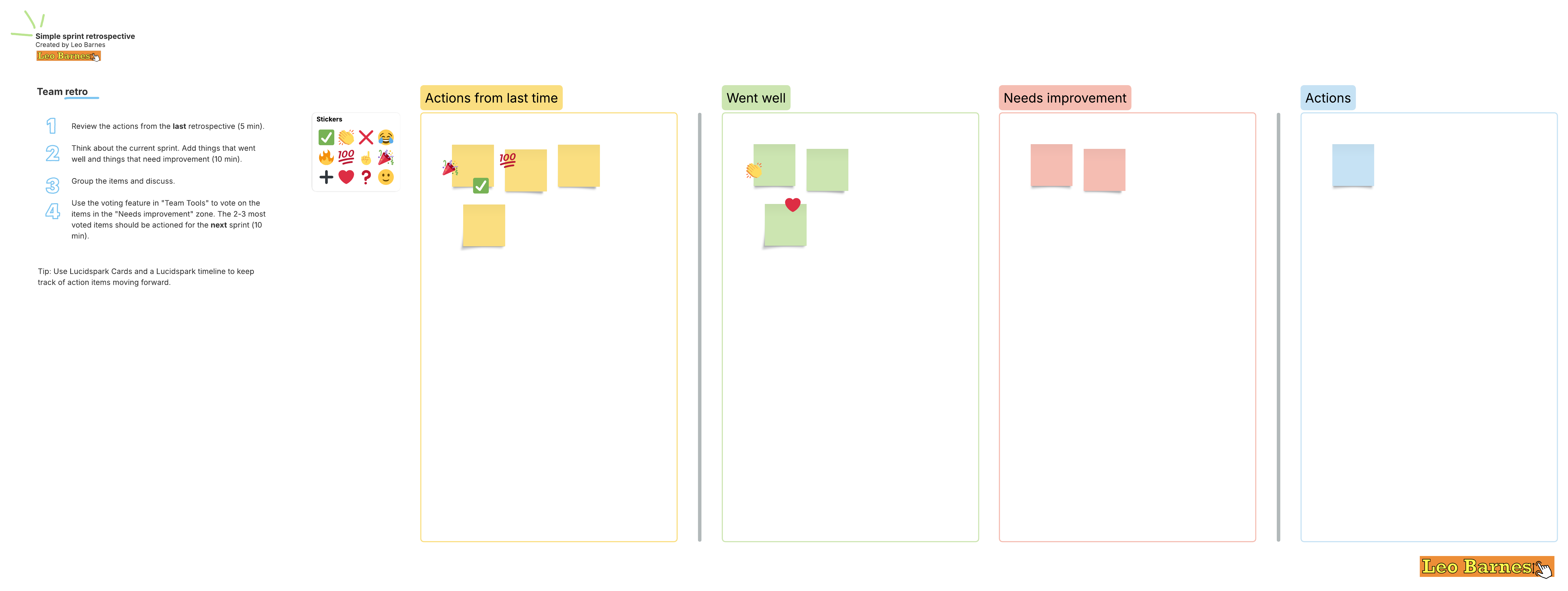
The Scrum framework is built around a number of events so the team can collaborate, plan, and deliver incremental value. The following are some of the most common Scrum events.
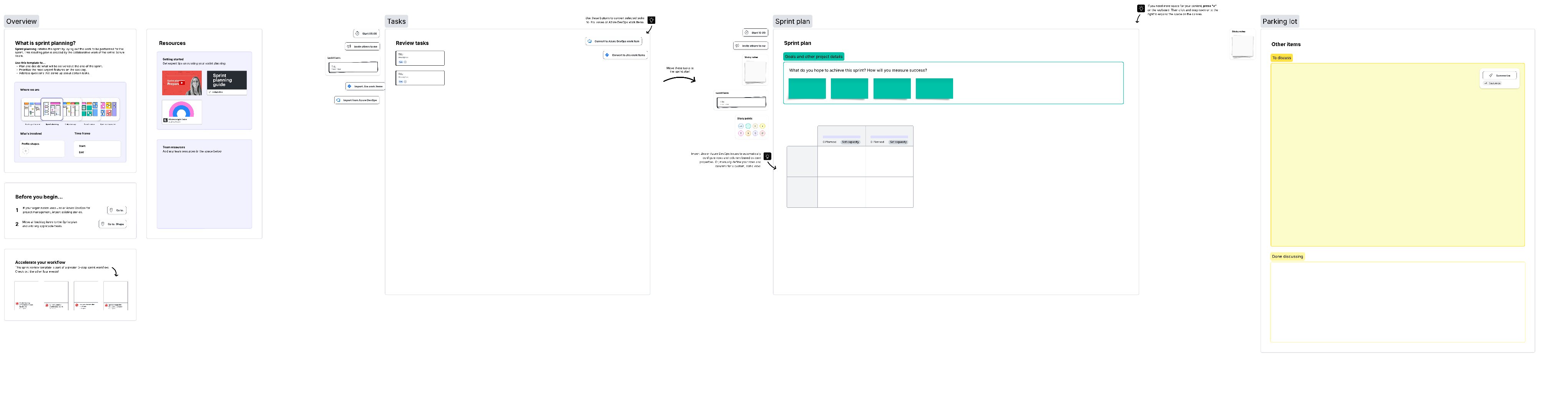
Sprint planning
If you’re traveling in unfamiliar territory, you don’t just start driving. You’ll want to consult a map and figure out the best route to your destination first. Similarly, Scrum teams don’t select a few backlog items and launch pell-mell into a sprint. There’s a lot of planning involved.
A sprint planning meeting, held at the beginning of each sprint, should be a few hours long and aim to identify the sprint goal while answering these questions:
-
What are we going to achieve by the end of this sprint?
-
How are we going to achieve it?
-
Why is this sprint valuable?
Like other Scrum events, it helps to use software so your sprint plan is a living document that can be updated as needed. By using a visual collaboration solution like Lucid, you can easily visualize the goals you plan on achieving as your whole team edits and collaborates in real time.