Key takeaways
-
Standardizing processes in Lucid helps engineering teams at global logistics and fintech companies increase productivity by streamlining cross-functional alignment.
-
AI-powered automation in Lucid drives time savings for top companies by eliminating manual, repetitive documentation.
-
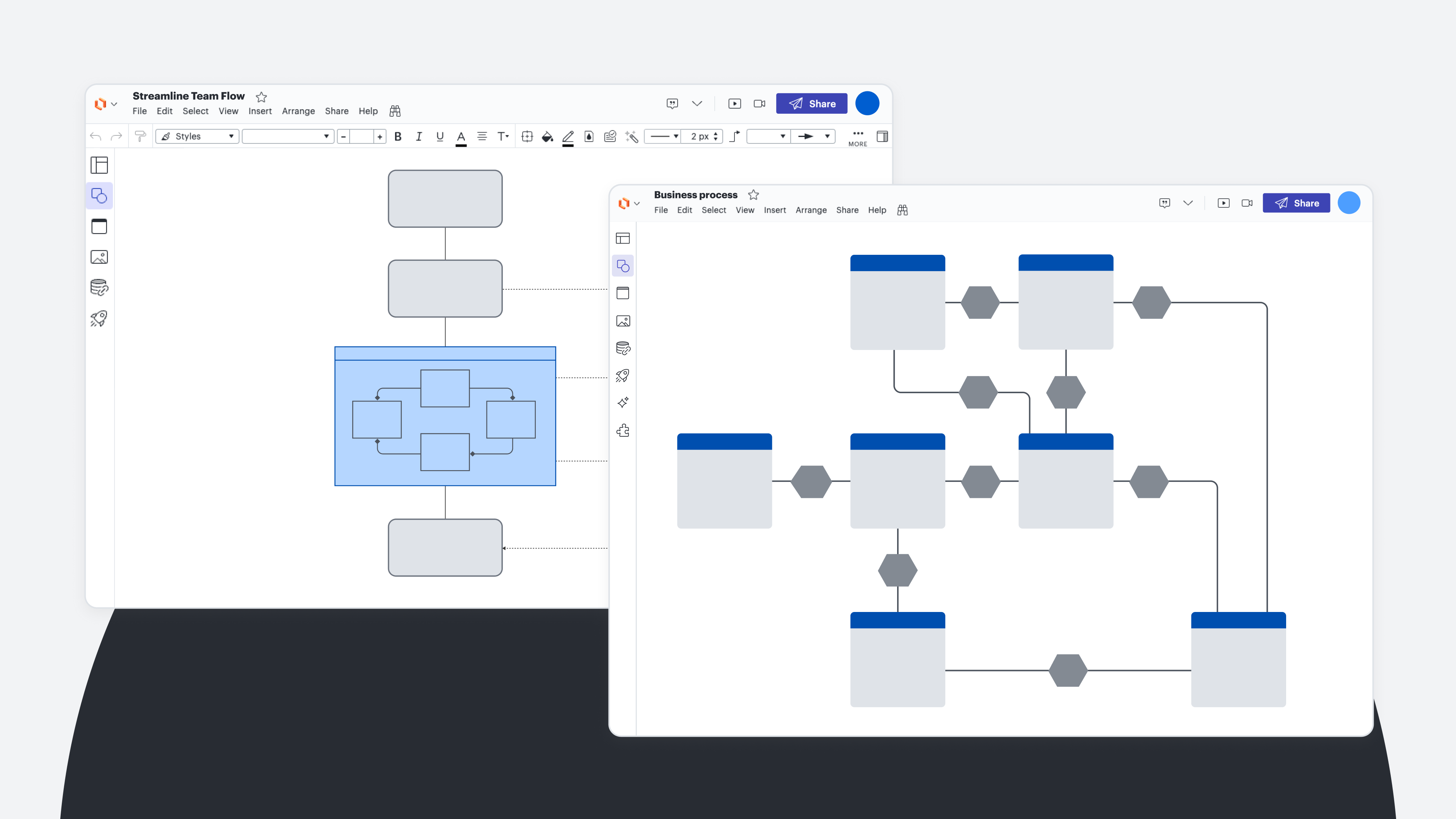
Visualizing software architecture in Lucid transforms static documentation into a single source of truth, reducing team onboarding time and ensuring that systems and processes are up to date.
Building great software is more than writing clean code; it’s about managing complexity. Oftentimes, the heavy lifting of a project falls on software engineers as they navigate shifting requirements, hidden dependencies, and the friction of communicating technical concepts to non-technical stakeholders.
When alignment breaks down, the costs are measurable: duplicate work, obsolete documentation, and wasted time. Without a single source of truth, teams remain misaligned when they should be shipping. To build a high-performing engineering organization, leaders need to equip their teams with tools that accelerate the development life cycle.
Lucid’s work acceleration platform has empowered engineers to visualize workflows, streamline collaboration, and automate documentation. In this post, we dive into 13 powerful real-world examples of how software development teams are using Lucid to save money and time and drive their organization forward.
Cost savings
As engineering leaders face the growing pressure to increase output while protecting the bottom line, cost optimization has become a top priority. Lucid helps engineering teams eliminate the manual, repetitive work that drains high-value resources—ensuring every hour is an investment in innovation rather than a cost of inefficiency.
Cloud security company
Visual collaboration is the most effective way to create a shared understanding within your team and stakeholders. One cloud security company created visuals of complex software architecture in Lucid, rather than using text documents in its onboarding process. As a result, the onboarding time was reduced by two to three days, saving $2,500 per engineer onboarded.
Top global insurance company
Many engineering organizations suffer from accidental tool sprawl. By making Lucid the org-wide standard, a top global insurance provider eliminated the friction caused by data silos and fragmented workflows. They eliminated redundant platforms such as Miro and Mural, saving an estimated $300,000 in software spend without sacrificing productivity.
Worldwide top SaaS provider
A Saas provider saved an estimated $60,000 per architect each year by leveraging Lucid templates as a starting point, rather than starting from scratch. Within their diagrams, engineers used Layers to toggle between current-state and future-state scenarios during live customer calls. This dynamic approach allows for real-time technical alignment and instant analysis of different scenarios, turning a static presentation into an interactive discovery session.
Financial services company
One financial services firm reclaimed over $200,000 in annual tech spend by consolidating its fragmented stack onto Lucid. By moving to a single source of truth, they eliminated the hundreds of hours typically lost to chasing outdated documentation or building on incorrect assumptions. Beyond saving money, this shift mitigated risk by enabling teams to identify process gaps in real time, preventing bottlenecks that stall deployments and drain engineering resources.
Time savings
Every hour spent manually updating documentation or designing a visualization from scratch is an hour lost to technical debt and a missed opportunity. Lucid’s AI-powered automation, powerful integrations, and collaborative canvas drive quantifiable time savings for engineering teams by removing manual, repetitive work and boosting productivity.
Financial services company
The technical teams at the previously mentioned financial services company are no longer bogged down by administrative obstacles. By standardizing content organization in Lucid, the engineers save over five hours each week, or a total of 1,000 hours per year for a team of five people. Rather than passing around static documents that quickly become outdated, teams share links to living Lucid documents that serve as a single source of truth.
Top audio entertainment company
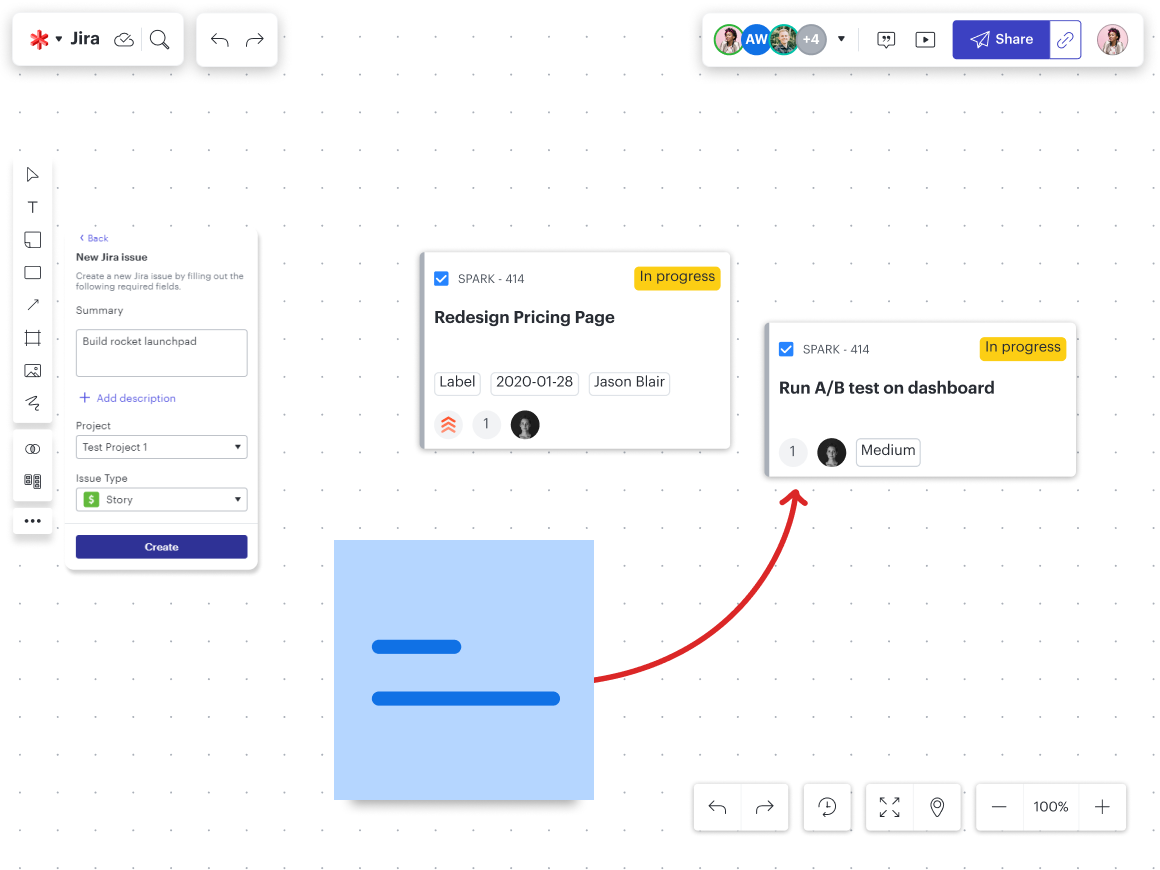
With the Lucid Cards for Jira integration, the engineering team at a top audio entertainment company reduced the time they spend mapping Jira tickets from about four hours per week to just a few minutes. This gives them ample time to focus on resolving an issue rather than mapping it.
Leading North American retailer
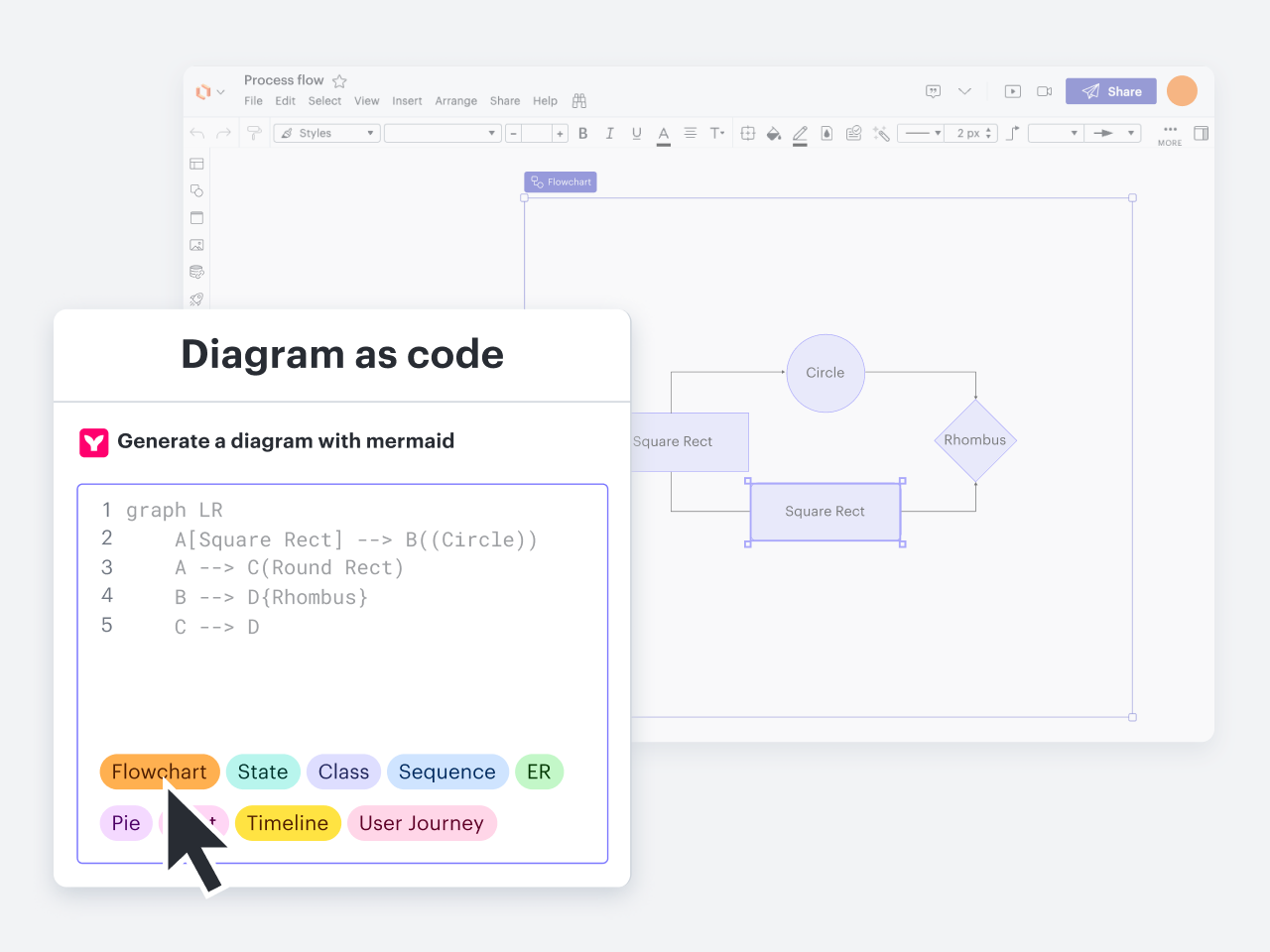
For engineers at a leading North American retailer, manually creating diagrams was a constant hurdle. With Lucid, they were able to generate diagrams from code 45% faster than building from scratch. This shift saves time and ensures their technical documentation remains current and accessible.
Major tech company
A major tech company had slowed productivity from back-and-forth meetings and emails between engineers and the design team. By moving collaboration to Lucid, they streamlined their workflows and significantly improved communication, saving approximately 45 minutes per request.
Telecommunications company
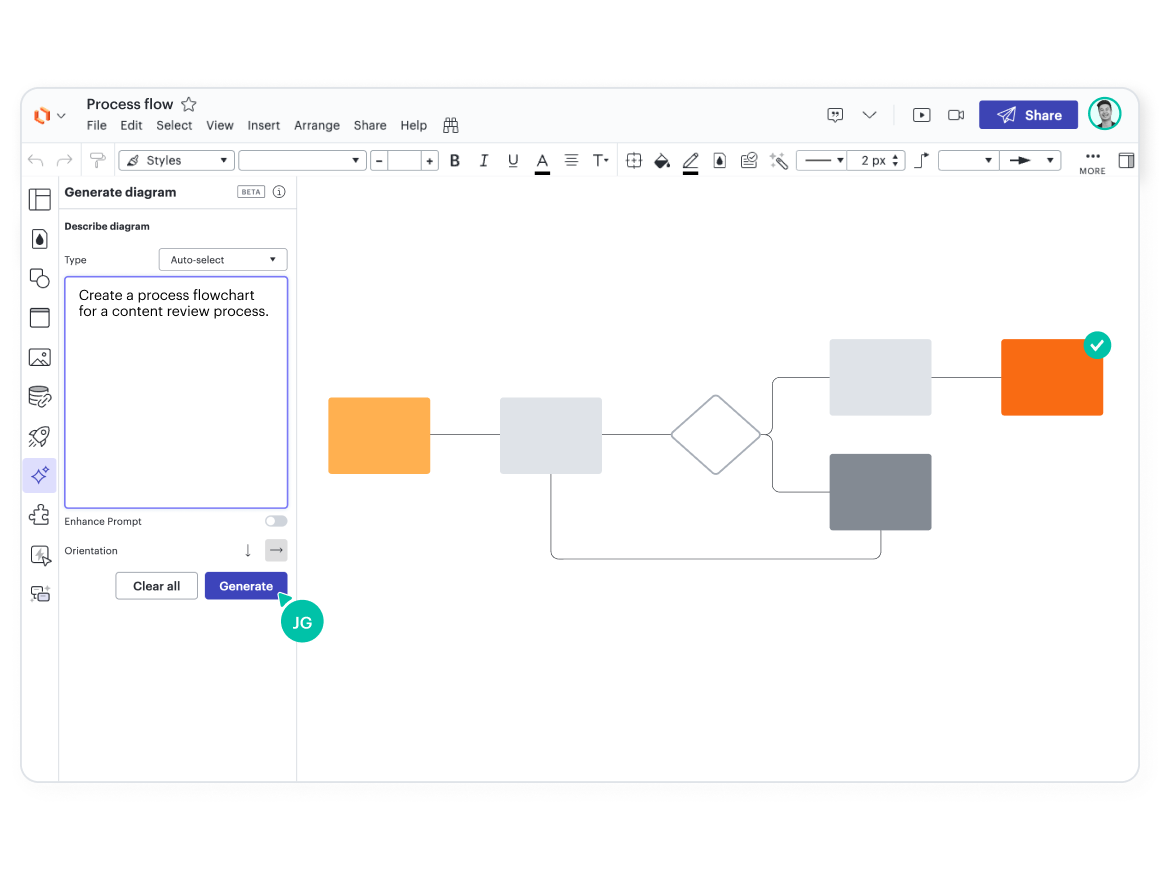
The adoption of AI-generated diagrams and Mermaid code-to-diagram has helped one telecommunications company significantly reduce the time spent creating diagrams. Within the first quarter of feature adoption, they will have freed up 25% of their bandwidth.
Increased productivity
Lucid helps teams see and build the future faster. The platform also helps teams be more productive by streamlining team collaboration and automating work. Let’s look at some examples of how engineering teams accelerated their work with Lucid.
Global logistics company
Fully onboarding new engineers can take several months due to learning team norms, company processes, and more. For one global logistics company, moving its onboarding experience into Lucid reduced onboarding time by up to two weeks. Additionally, standardizing global processes and replacing text-heavy documents with visual workflows reduced the training time by 20%.
Leading fintech company
By standardizing on Lucid, engineering teams at a leading fintech company have reduced project meetings by 50%, saving approximately two meetings per project and accelerating cross-functional alignment.
Telecommunications company
With over 75% of the engineering and IT departments attending advanced training sessions, a telecommunications company knew it needed a more efficient way to share information. By switching to Lucid, they have successfully shifted from manual processes to automated, modern documentation standards. This has helped team members gain access to up-to-date information and collaborate more effectively.
By replacing fragmented tools and manual documentation with Lucid’s single source of truth, these engineering organizations have eliminated the friction that causes misalignment and wasted resources.
Speak with our team today to learn how Lucid can accelerate the way your engineering teams work.
Contact sales