Key takeaways
Common challenges of enterprise architecture governance reviews include a lack of agility, a scalability gap, presentation overhead, and unproductive organizational dynamics.
Solutions to common governance review challenges include embedding governance into existing processes, prioritizing and automating, creating a shared visual language, and collaborating effectively.
Ardoq, an enterprise architecture software, can help automate governance in your organization.
Lucid, a visual collaboration solution, integrates with Ardoq and can help you create a shared visual language for governance reviews.
Let’s face it: In many organizations, “governance review” is synonymous with “necessary evil,” and even “necessary” is disputed by some. It’s a phrase that often evokes images of endless slide decks, bureaucratic red tape, and conflict between enterprise architects (EAs) and project delivery teams. But governance doesn't have to be such a bottleneck. When structured correctly, it can be the invisible engine that drives sustainable, scalable innovation.
With 18 years of experience conducting governance reviews across my tenure at Landmark Information Group, a geospatial data company, and the Met Office, the UK’s national weather and climate organization, I’ve seen it all—from lightweight governance embedded directly into agile workflows to portfolio-wide oversight for massive digital transformation initiatives.
In this blog post, I share the most common roadblocks I’ve seen in enterprise architecture governance and offer proactive solutions to keep your reviews running smoothly. Understanding these roadblocks and solutions can help you transform your reviews from a point of cross-functional friction into a strategic advantage for your organization.
Common challenges of enterprise architecture governance reviews
Even the most well-intentioned enterprise architecture teams often find themselves trapped by four systemic challenges when it comes to governance reviews:
Challenge #1: Lack of agility
Navigating the logistics of governance reviews is often the biggest roadblock to efficiency. Getting all the relevant stakeholders—enterprise architects, solutions architects, domain architects, information security and compliance officers, IT infrastructure and operations leads, business stakeholders, and product owners—into a single meeting can stall a review for weeks due to scheduling conflicts. And that’s not the only timing issue for governance reviews.
If a review happens too early, the designs being reviewed will lack maturity, and there simply won’t be enough substance to govern. If the review happens too late, the design will be more mature, and any required changes will be expensive and time-consuming to fix. The ideal state is continuous, incremental review.
Challenge #2: The scalability gap
Change within an enterprise is sprawling and constant, yet the teams tasked with overseeing that change, such as enterprise architecture, corporate risk, and security, are typically centralized and lean. This gap leaves teams with a significant decision to make: what to govern and when. Sometimes the tendency is to try to govern everything, but that’s often not possible. A lot of times, the limited bandwidth of these small teams does not fit the massive governance need of business transformation, opens in a new tab.
Challenge #3: Presentation overhead
Solutions and domain architects are often asked to present their solutions for review, but the process of preparing and gathering artifacts is time-consuming and can be considered overhead or waste.
For example, these architects may be required to create a 100-page document for review. When highly skilled professionals spend weeks building artifacts just to clear a bureaucratic hurdle, morale plummets and organizational friction spikes.
Challenge #4: Unproductive organizational dynamics
When governance isn’t collaborative and is more of a gatekeeping mechanism, EAs are forced into the role of “policing” other team members. This dynamic is deeply unproductive. It fosters an adversarial relationship between architects and delivery teams, slowing down progress and distracting from the true, shared goals of the business.
Solutions for smarter, faster governance
To fix these systemic issues, I recommend stepping away from legacy oversight models and adopting a more grounded, integrated approach.
Solution #1: Embed governance into existing processes
First things first, enterprise architecture governance, opens in a new tab should not be a standalone process running parallel to other delivery processes. Rather than recreating processes for governance, it should be embedded into existing delivery processes—whether your team follows Agile, opens in a new tab, SAFe, opens in a new tab, or traditional project management, opens in a new tab methods.
Working with project managers to identify potential governance touchpoints in delivery is a good place to start for making governance processes more efficient.
Solution #2: Prioritize ruthlessly (and automate the rest)
You can’t govern everything with the same level of scrutiny. You must prioritize based on your team's actual capacity. Work with executive leadership to establish the "red lines" (the non-negotiable enterprise risks that cannot be accepted) versus the "nice-to-haves."
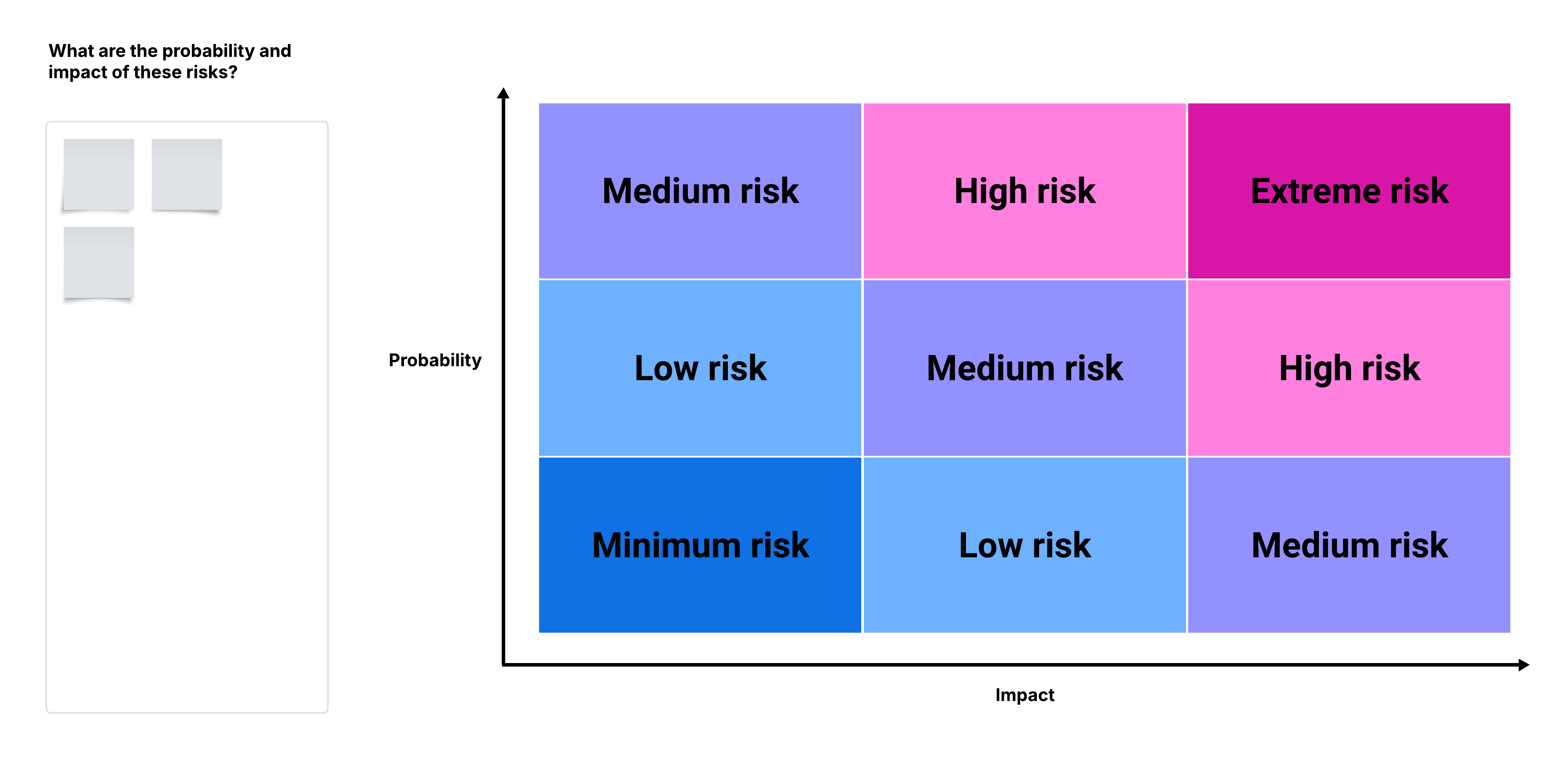
Another way to think of prioritization is “right-sizing” your governance. Impactful, risky projects demand deep oversight, while simpler changes can be managed by exception.
Additionally, leveraging automation exponentially increases your team’s capacity and output. Solutions like Ardoq, opens in a new tab can automatically capture architecturally significant details, such as decision records, dependencies, and decision lineage.
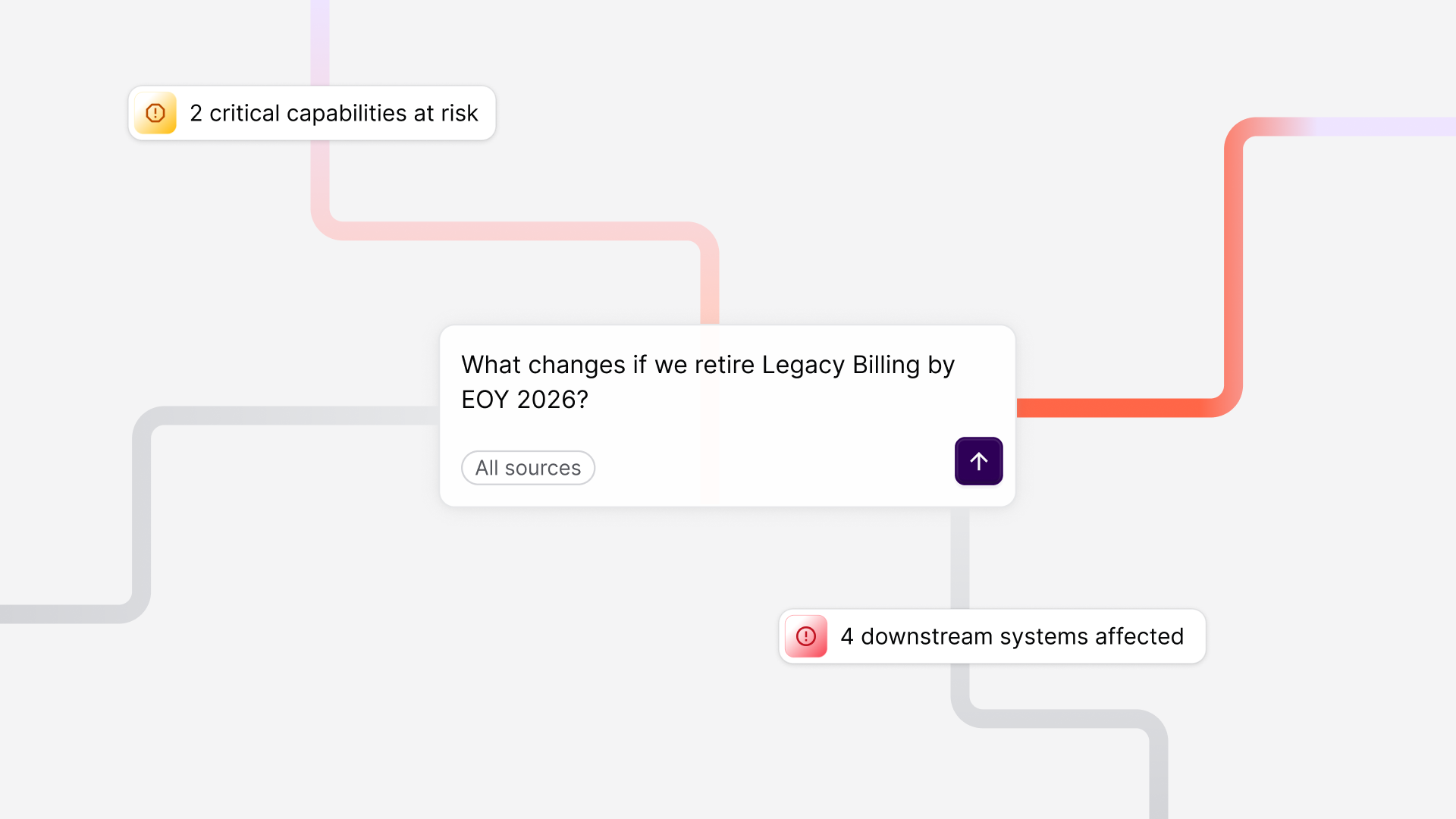
By utilizing Ardoq’s AI agents, opens in a new tab, you can define your governance parameters and automate the review of routine solutions. This enables continuous governance, ensuring reviews are never too early or too late, and frees up your team to focus their expertise on the high-stakes, highly critical architectural decisions.
Solution #3: Create a shared visual language
A shared visual language standardizes how architectural designs are presented and consumed, setting clear expectations for exactly what evidence needs to be brought to the Architecture Review Board (ARB). For enterprise architects, this is helpful because it creates consistency in the content they review. For team members presenting at the review, it saves time because they know what is needed for each presentation and don’t have to start from scratch.
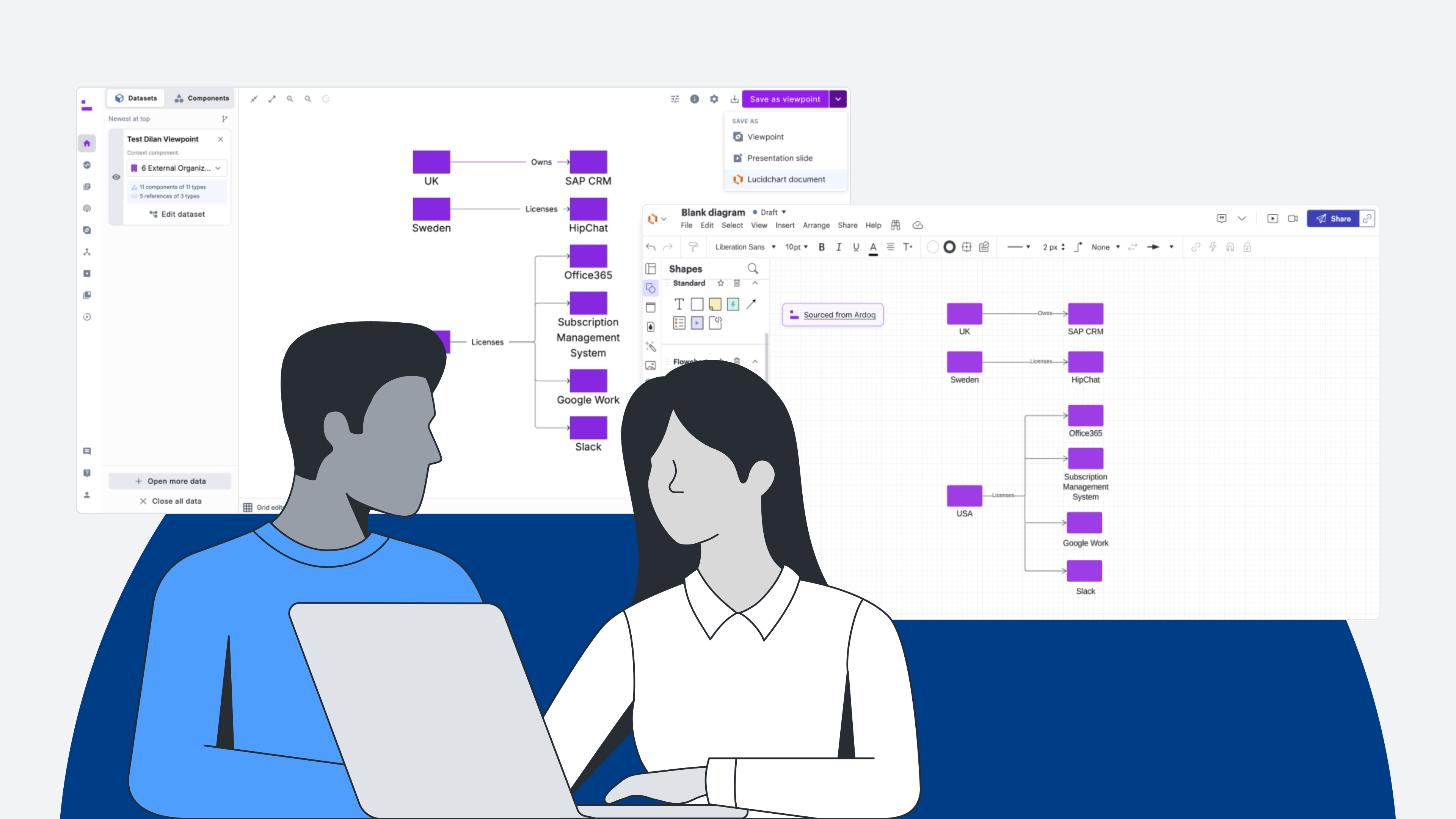
A visual collaboration solution like Lucid, opens in a new tab equips teams with this shared language through features such as standard shape libraries, diagram keys, and ready-to-use templates.
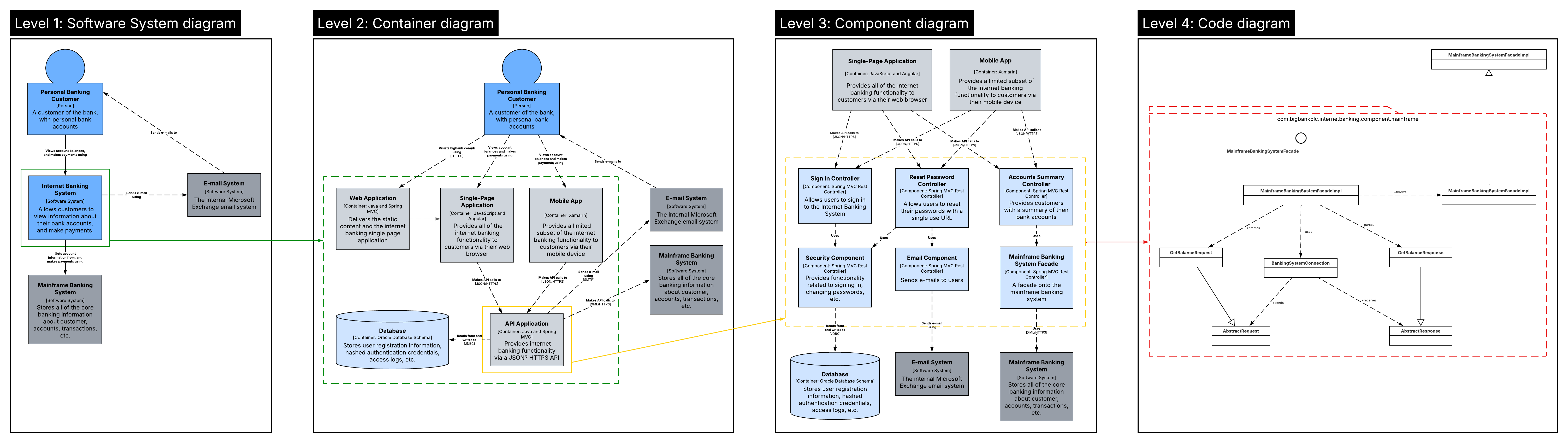
Lucid’s Process Accelerator, opens in a new tab, an add-on for improving governance and standardization of process documentation, storage, and maintenance, allows teams to create reusable assets that update across all documentation where they’re used. You can also import data items from Ardoq into Lucid as data-backed shapes.
Using standardized artifacts in Lucid, team members spend less time deciphering the diagram during governance reviews and more time having meaningful architectural discussions.
Solution #4: Work collaboratively and establish clear escalation routes
Working with the governed (peer-based governance) is more effective than taking on an authoritative, hierarchical governance role. Architecture quality should be a broad commitment that’s shared side-to-side—rather than top-down—among enterprise architects, solutions architects, domain experts, and engineering teams. Your role as an EA is to provide the guardrails that help them do that while keeping compliance and reducing risk.
However, when conflicts arise over delivery timelines (because they still will even with a peer-based governance approach), you must have clearly defined escalation routes. Enterprise architects are often perceived as having “teeth” or the ability to stop things, but really, EAs represent the shared interests of senior stakeholders, not their own priorities. They are exercising authority on behalf of the C-suite to protect high-level business goals and mitigate enterprise-level risks.
Ask yourself: Who are you representing as an EA? Whose interests are you governing on behalf of?
Shift away from giving pushback that’s perceived as, “This failed the governance review because the EA said so, and they thought it was bad.” Rather, the perception should be, “This failed the governance review because it violates key principles the CIO has outlined that we’re trying to deliver against.” To achieve this shift, ensure you link compliance back to objectives and focus feedback on shared goals.
Your governance review tech stack
Smooth governance reviews require the right mindset, but they also require the right tech stack. By combining the powerful visual clarity of Lucid with the automated governance capabilities of Ardoq, enterprise architecture teams can make governance more efficient and scale their impact.

Ardoq + Lucid
Try the Lucid Ardoq integration to bridge the gap between complex architecture data and collaborative process and system design.
Connect now